Landscape Amnesia

Florian Neufeldt

02.05.2023 – 28.07.2023

Exhibition views
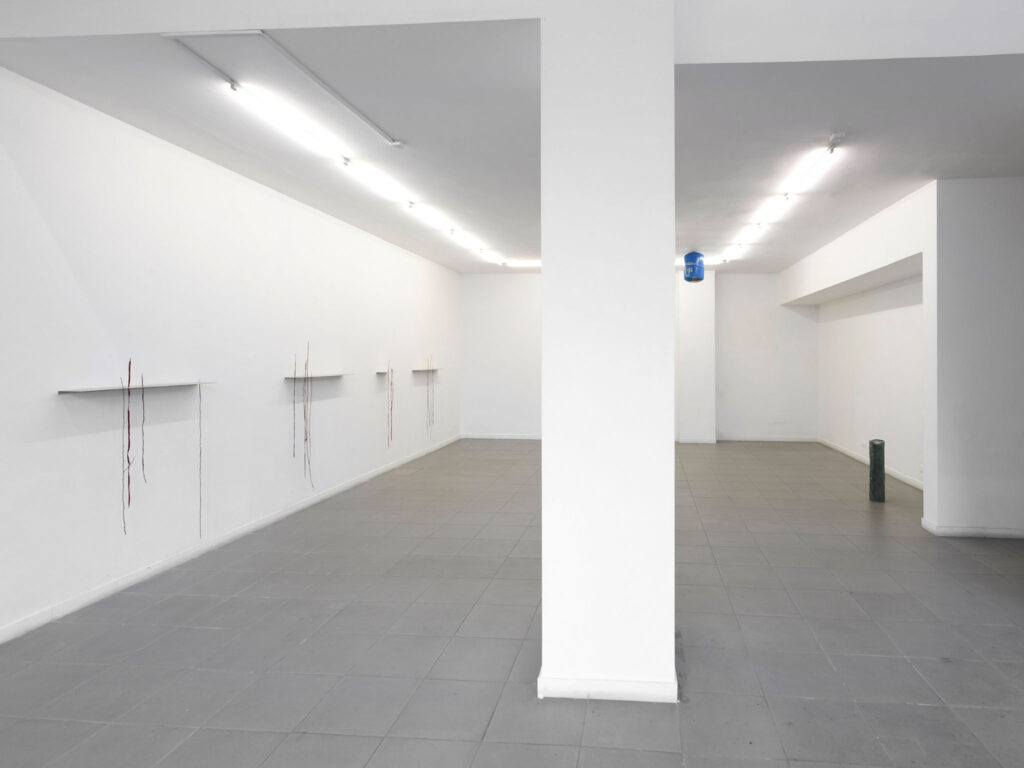
Works

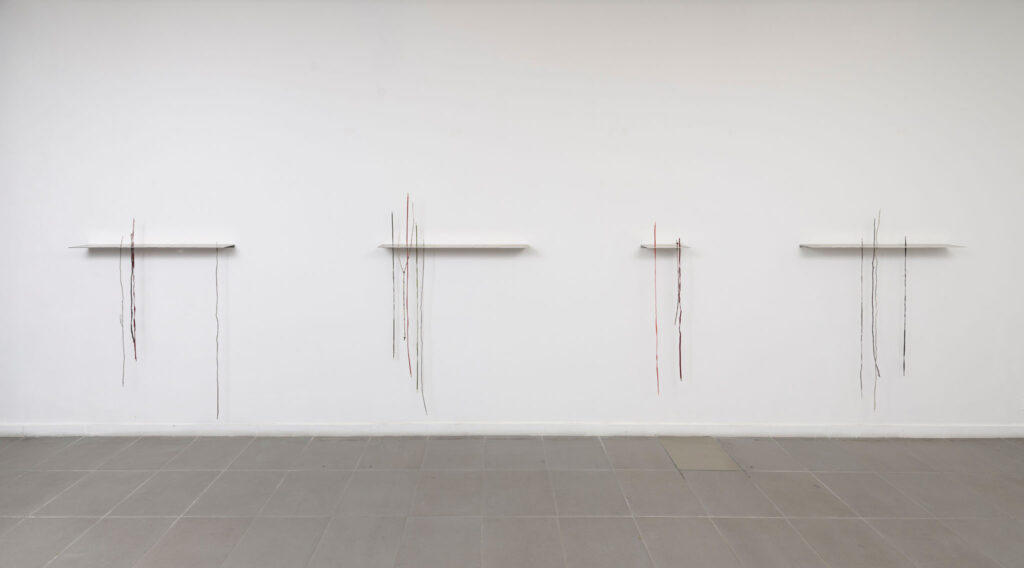
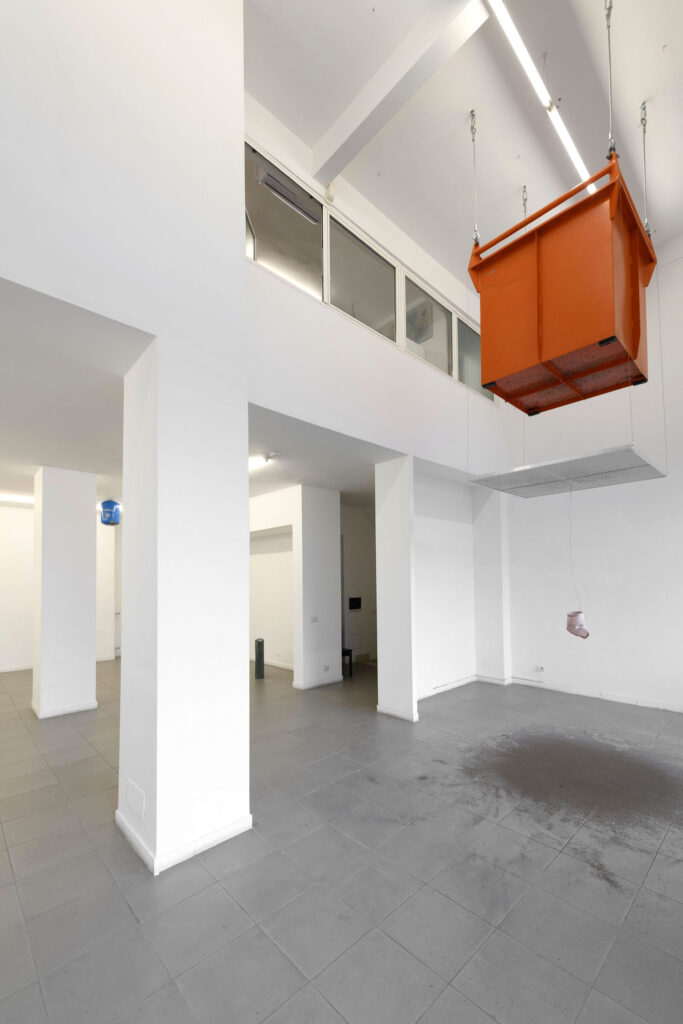
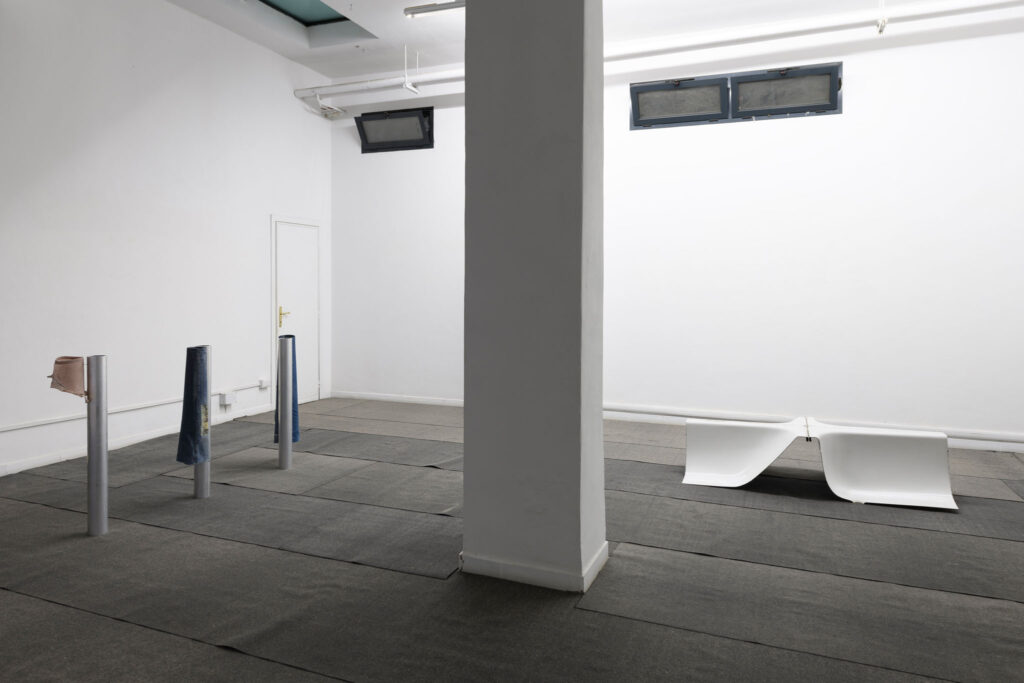
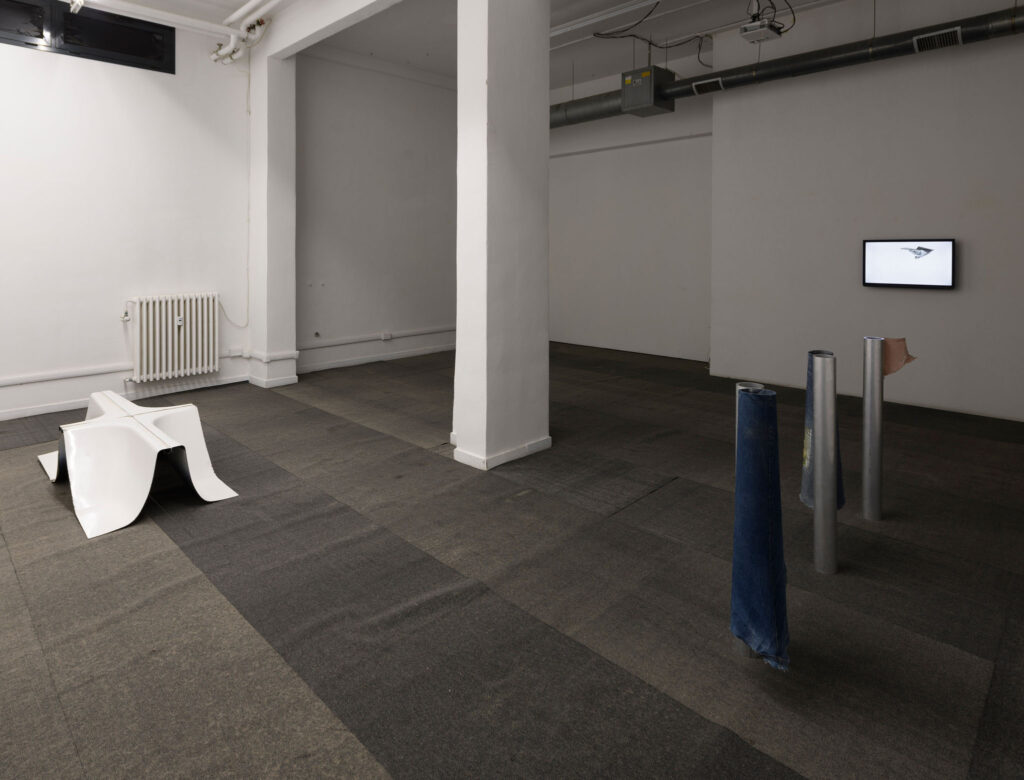
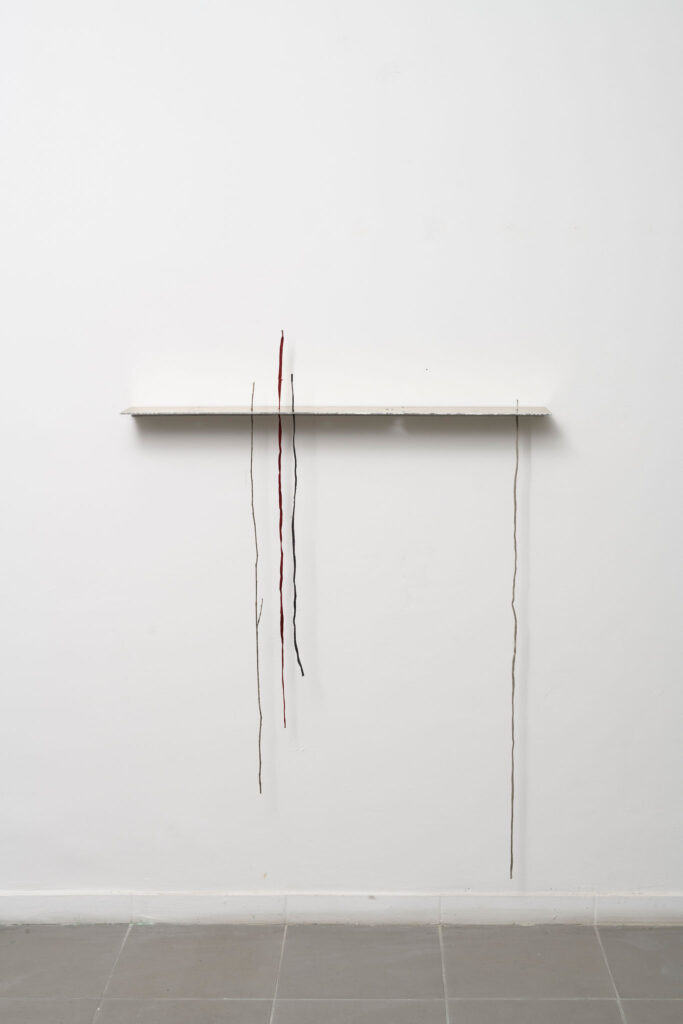
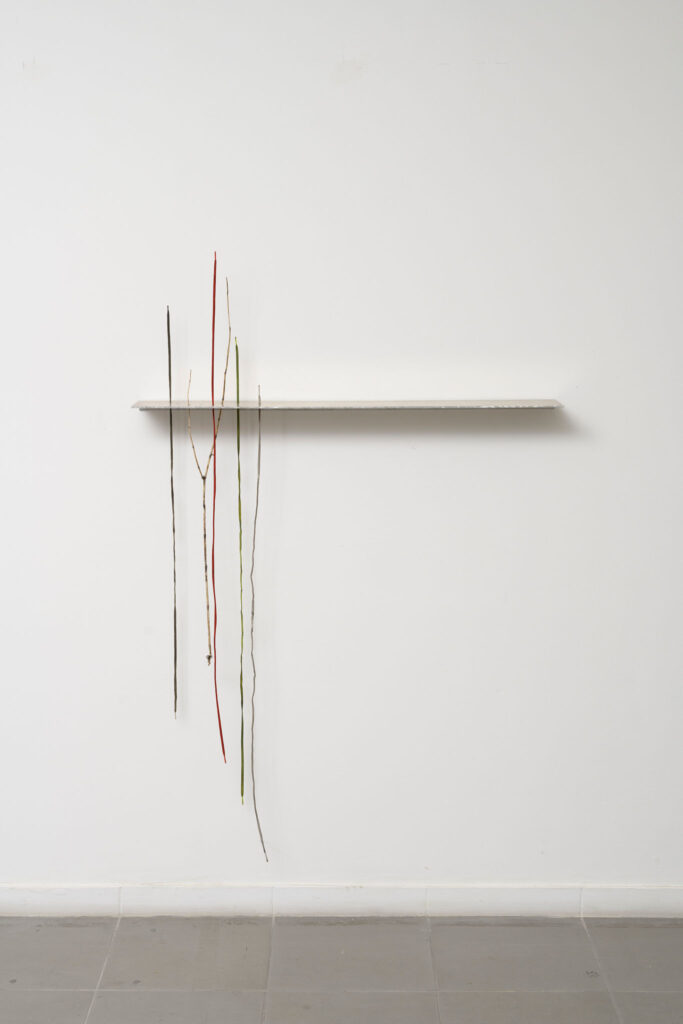
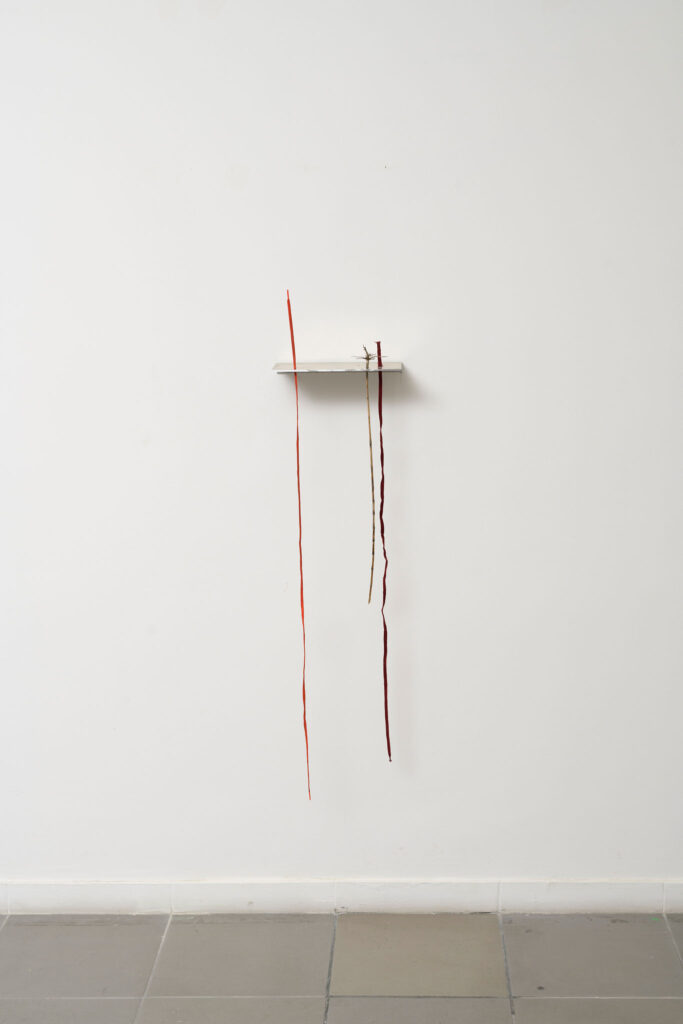
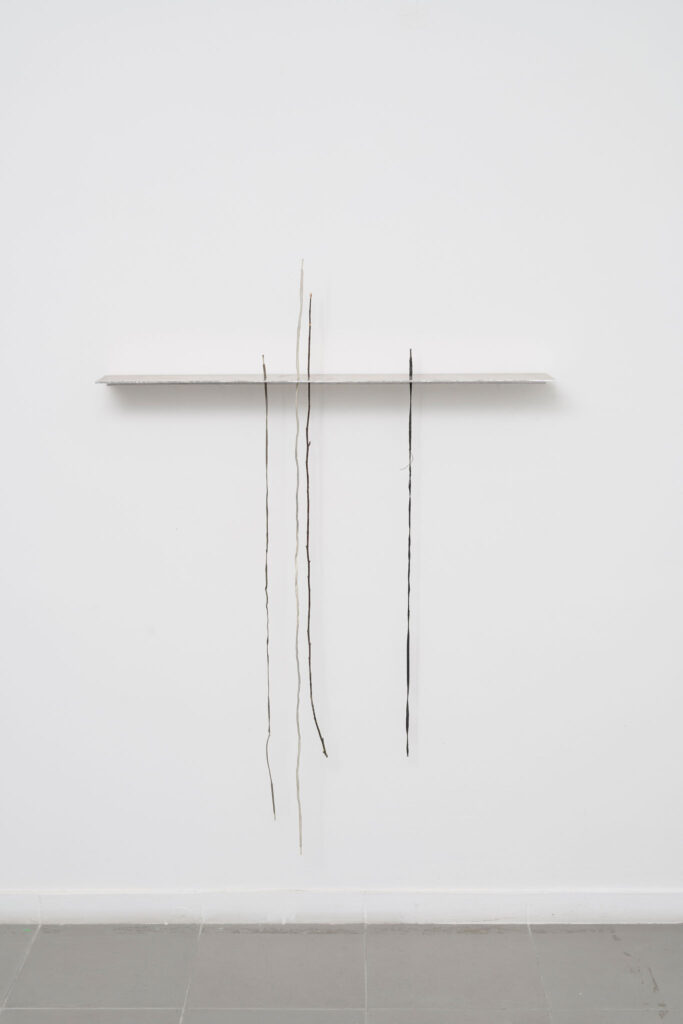
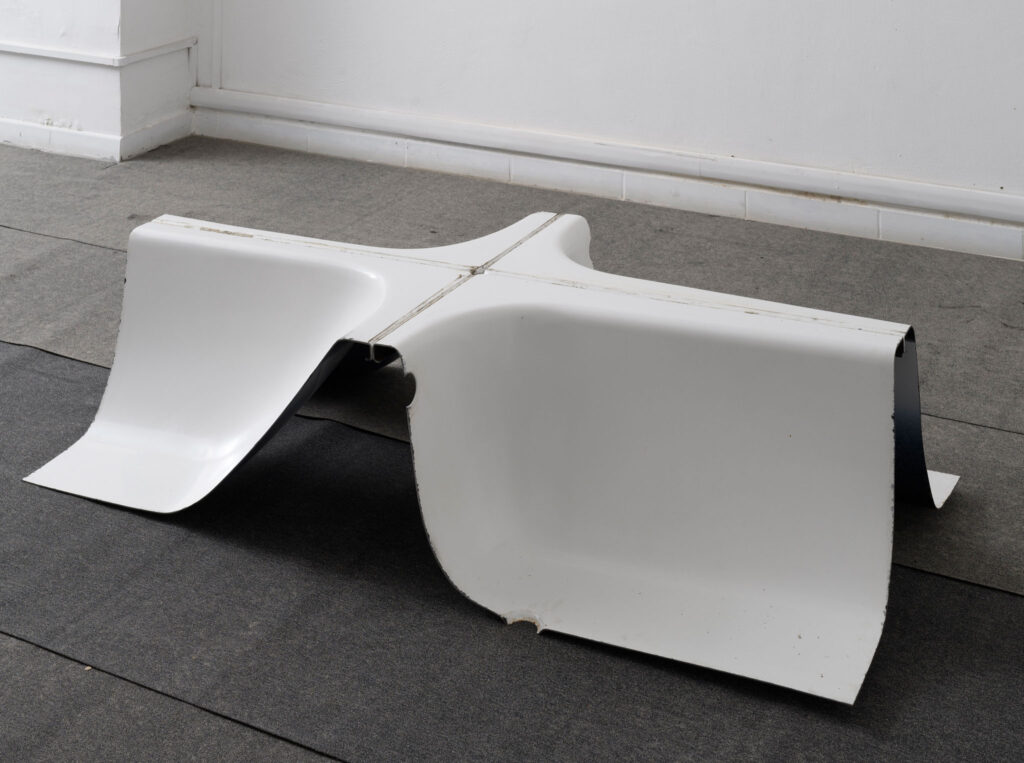
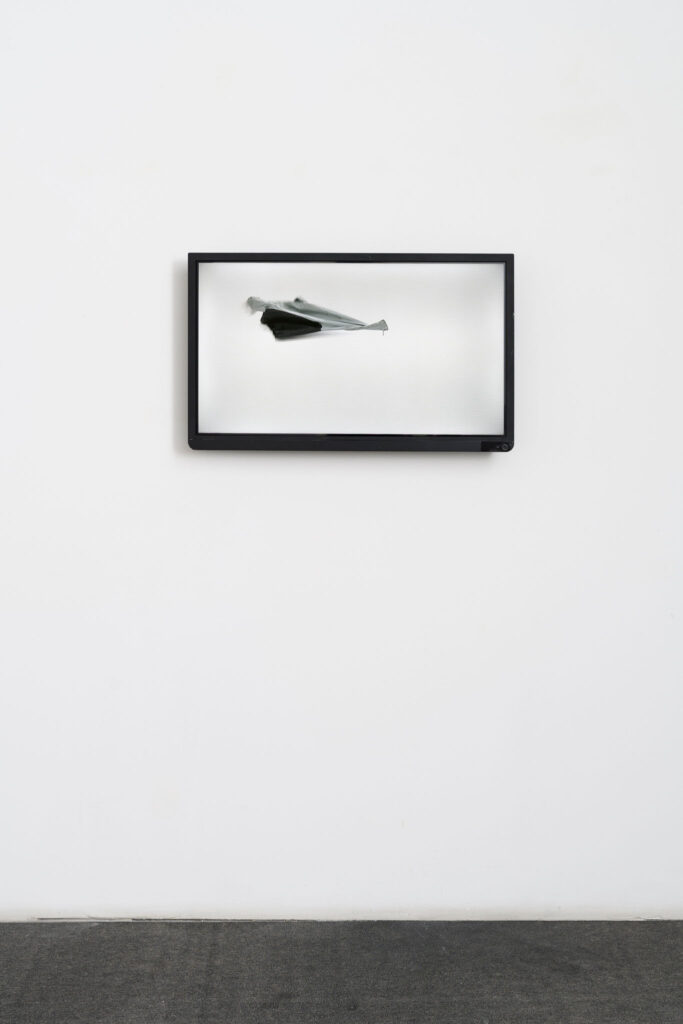
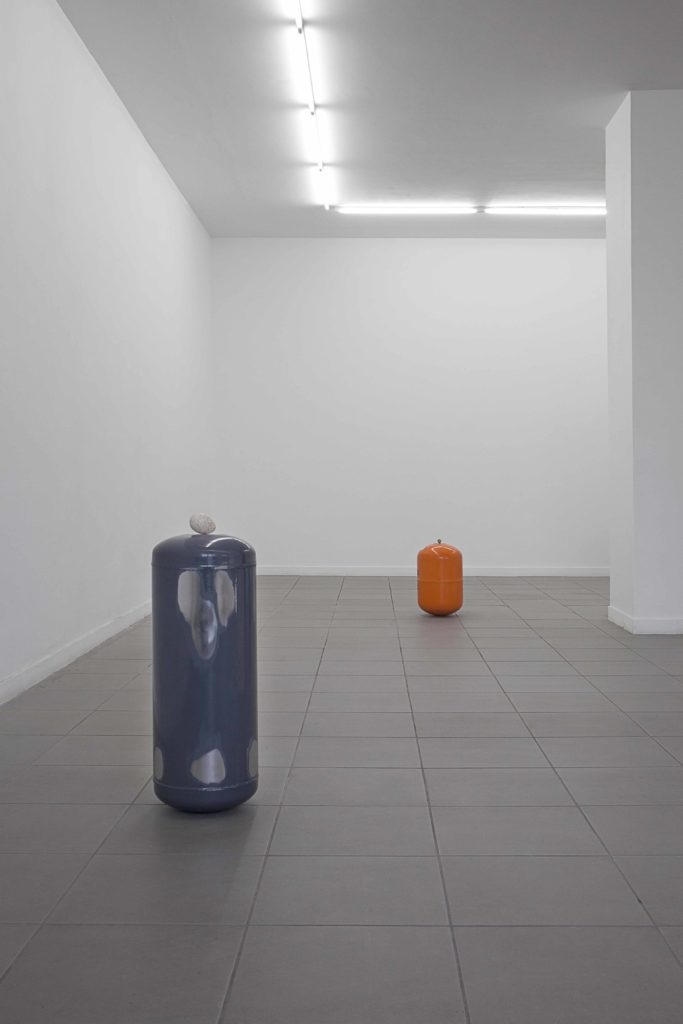
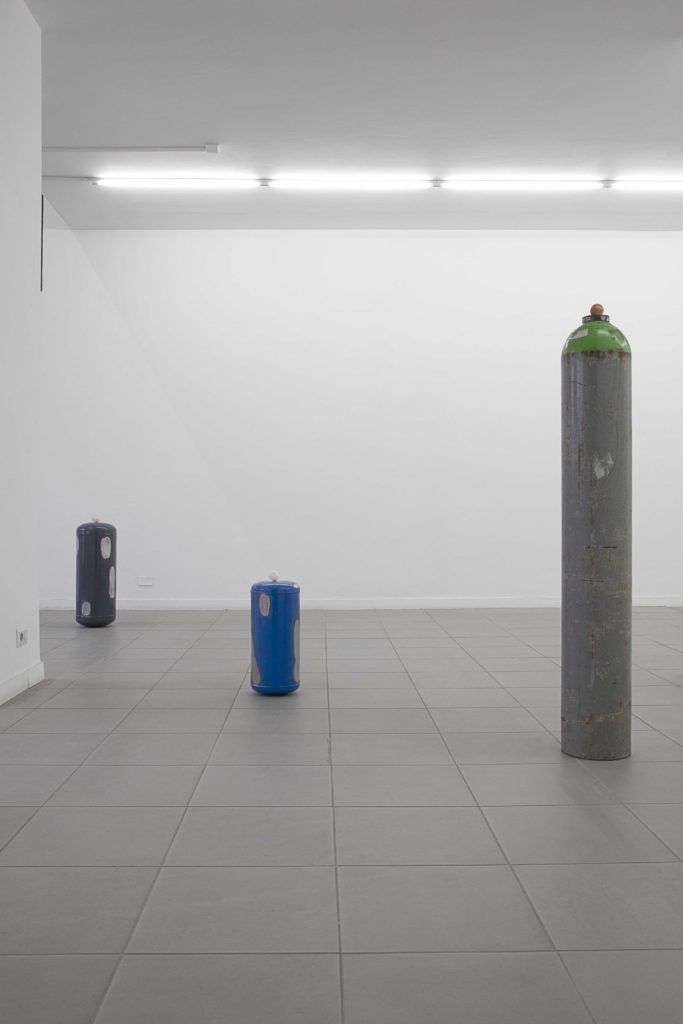
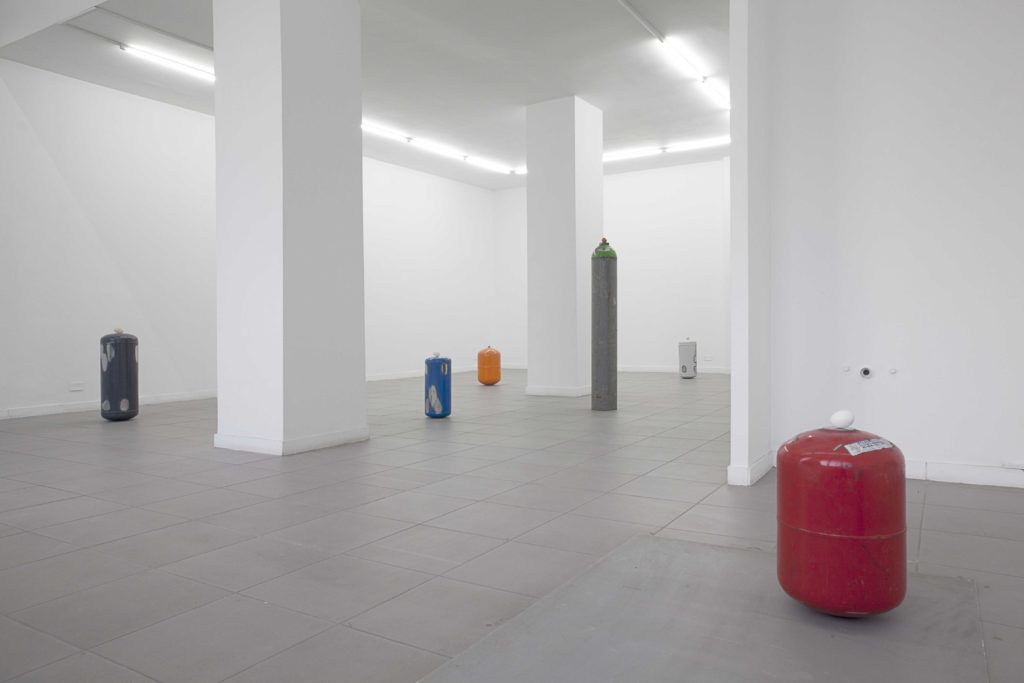
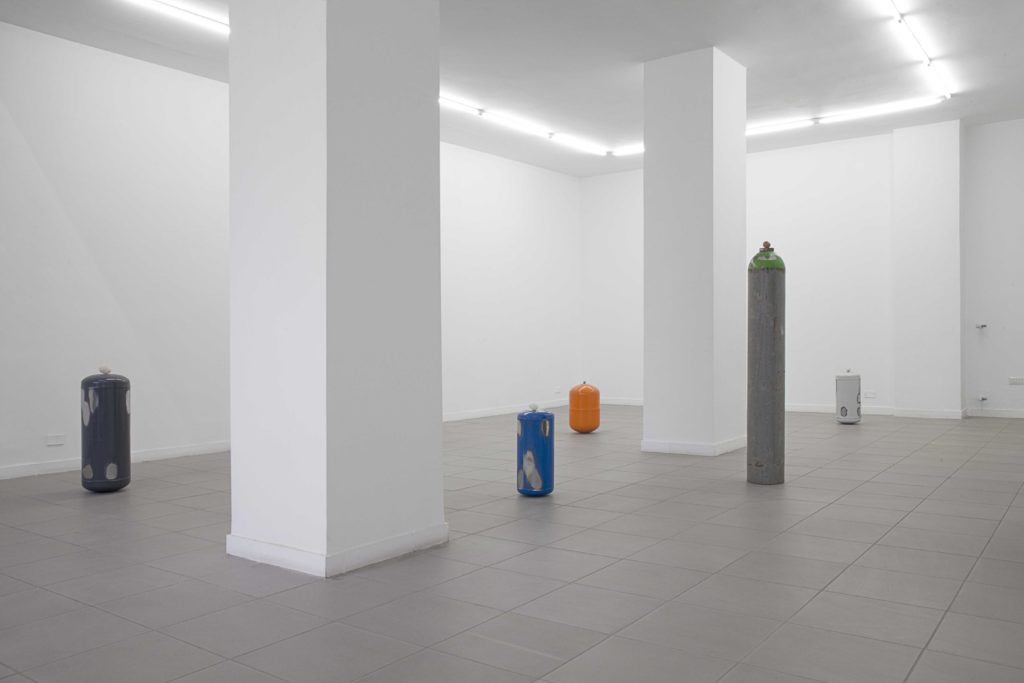
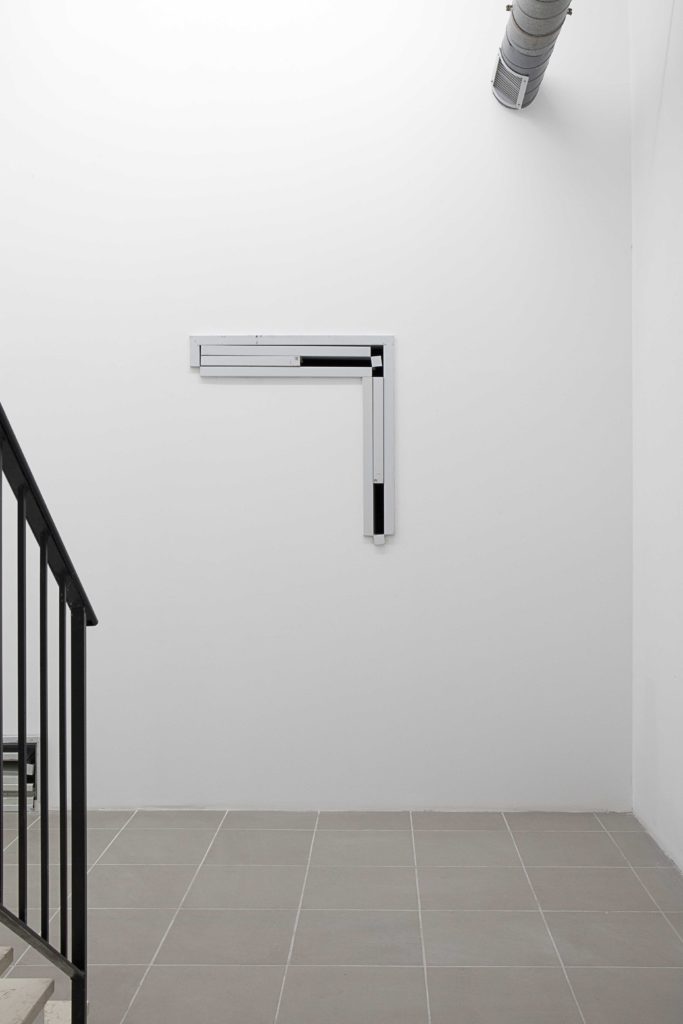
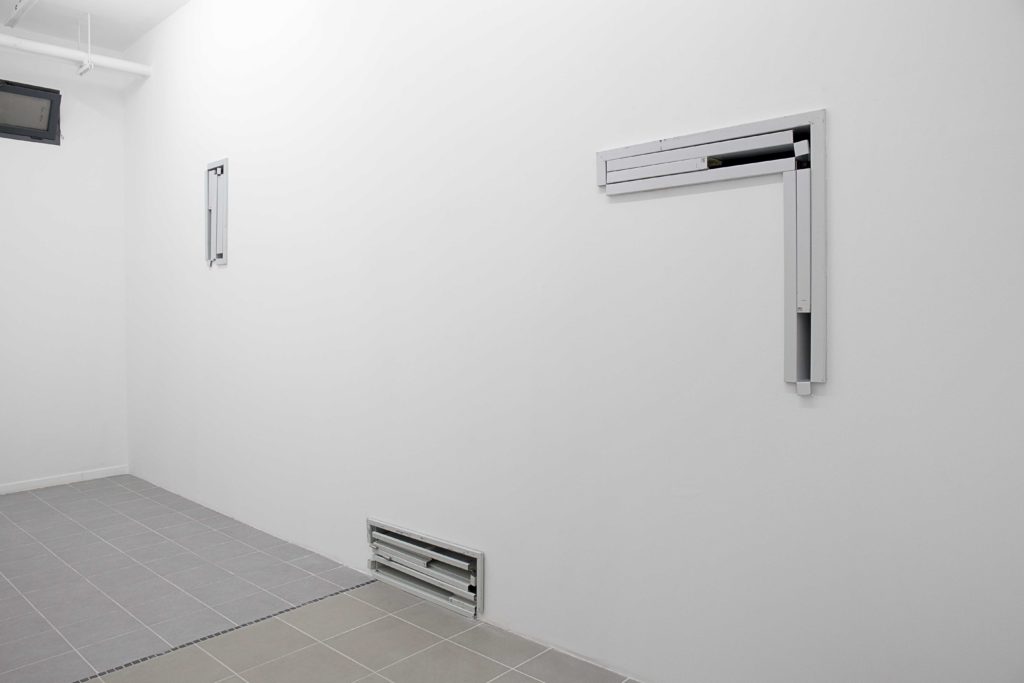
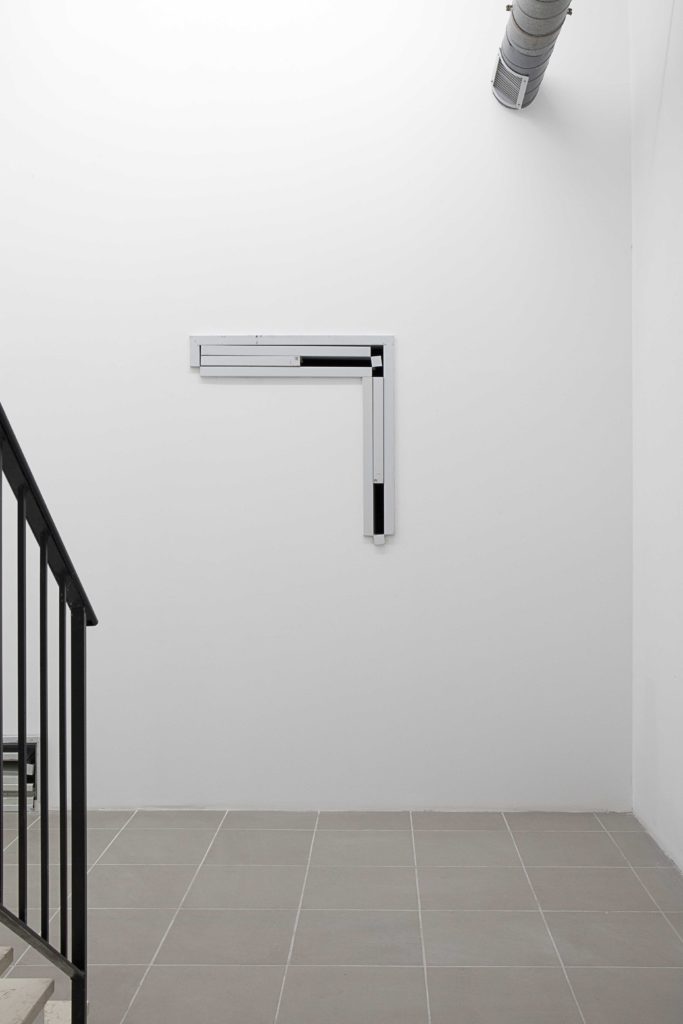
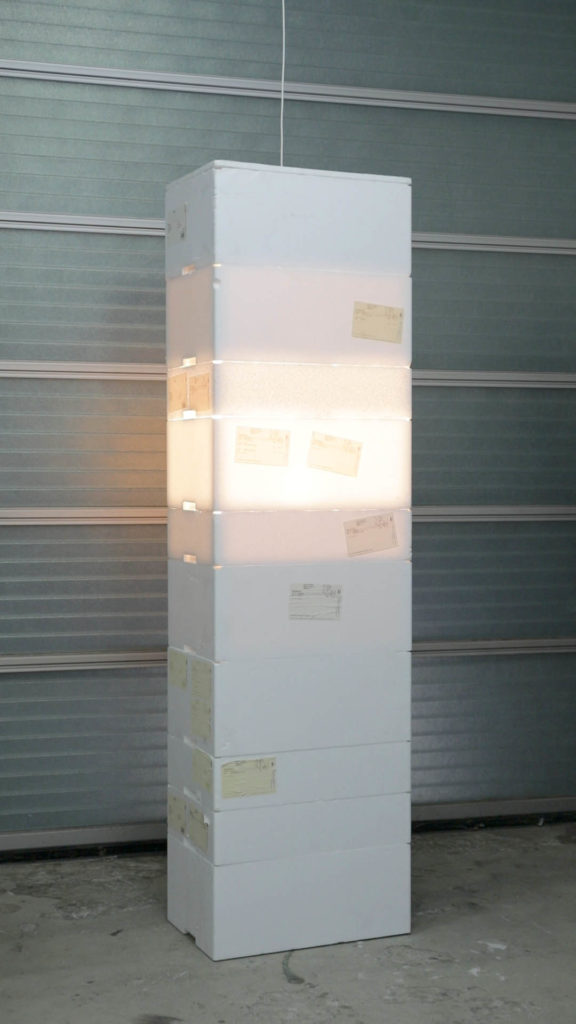
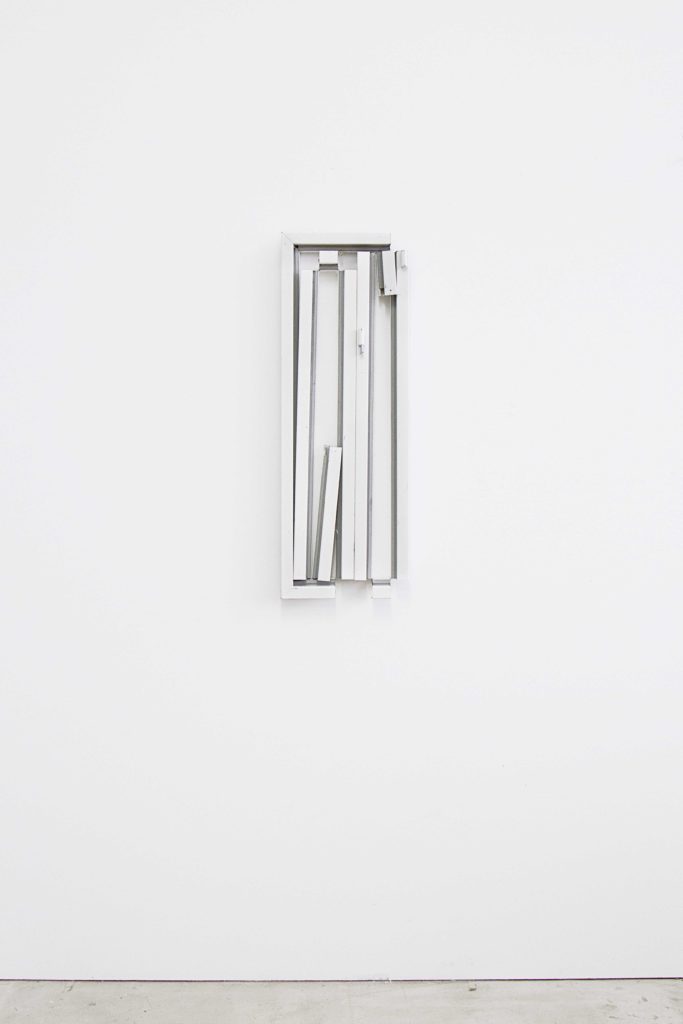
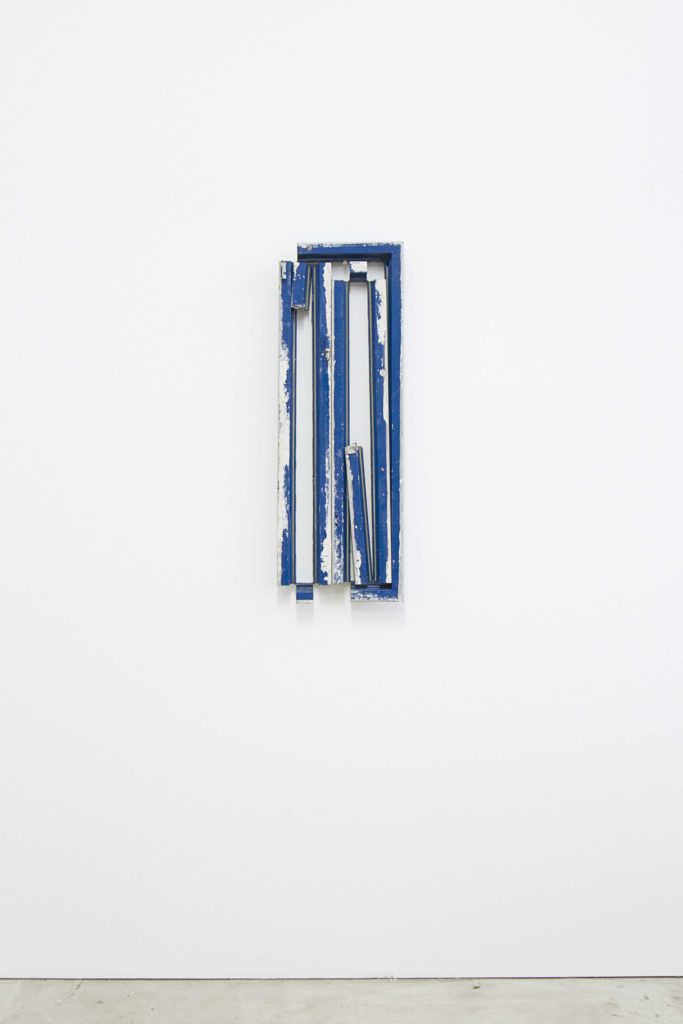
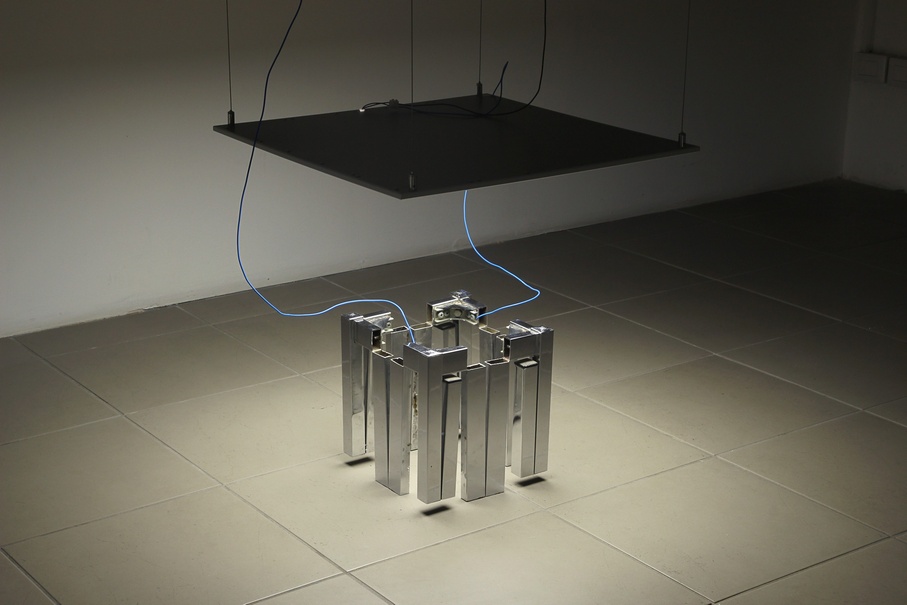
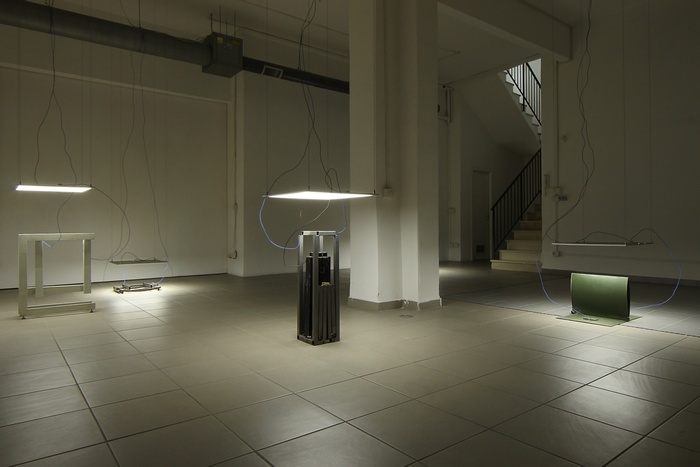
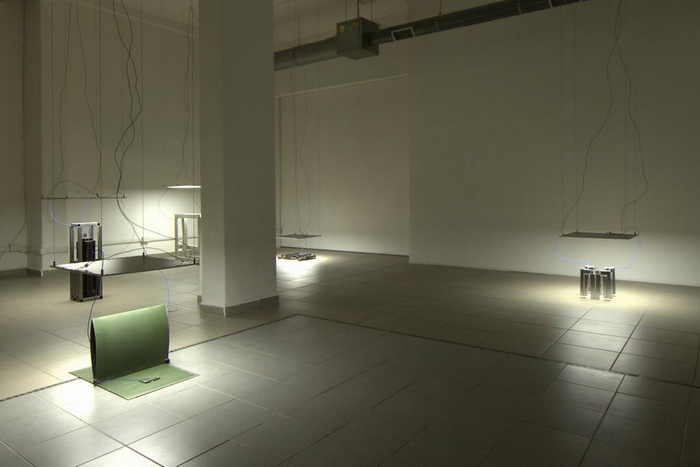
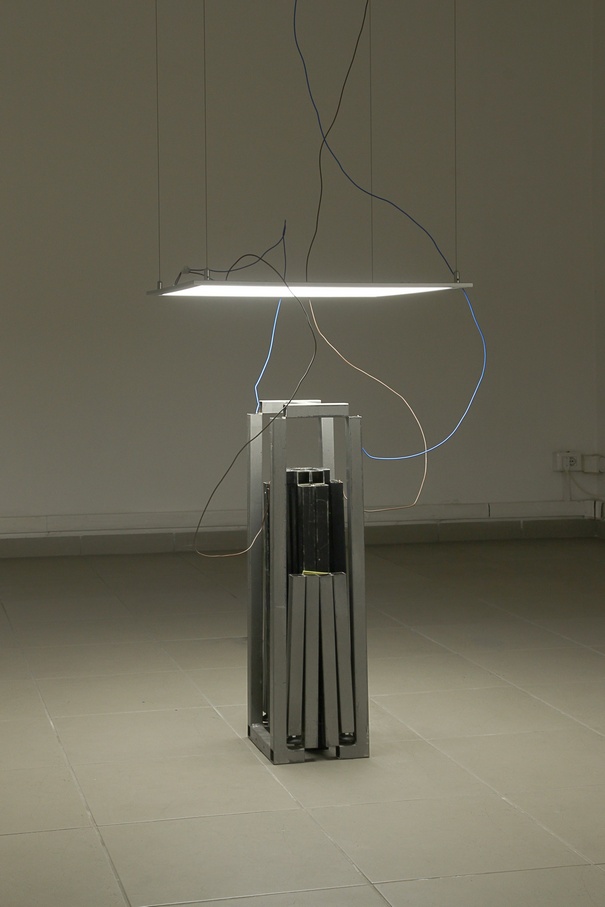
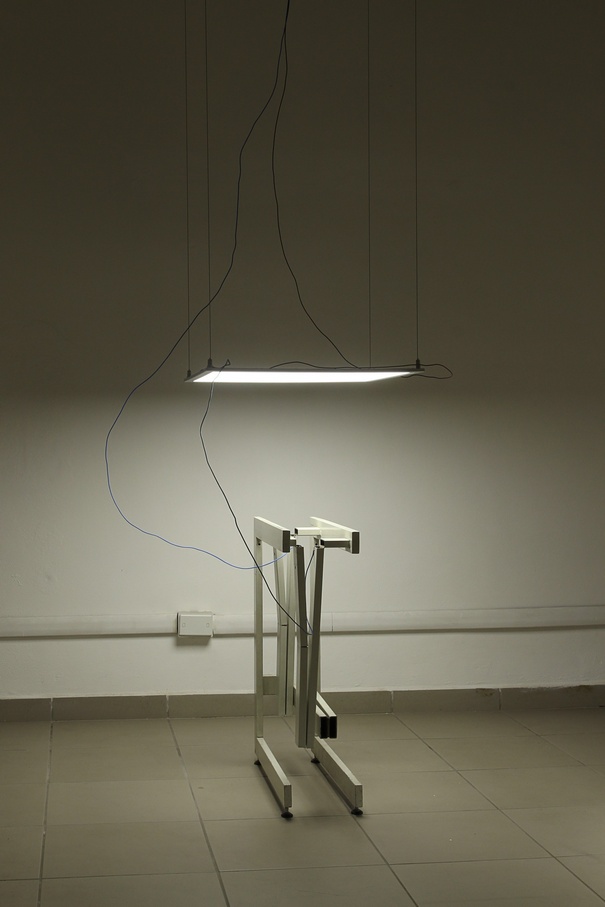
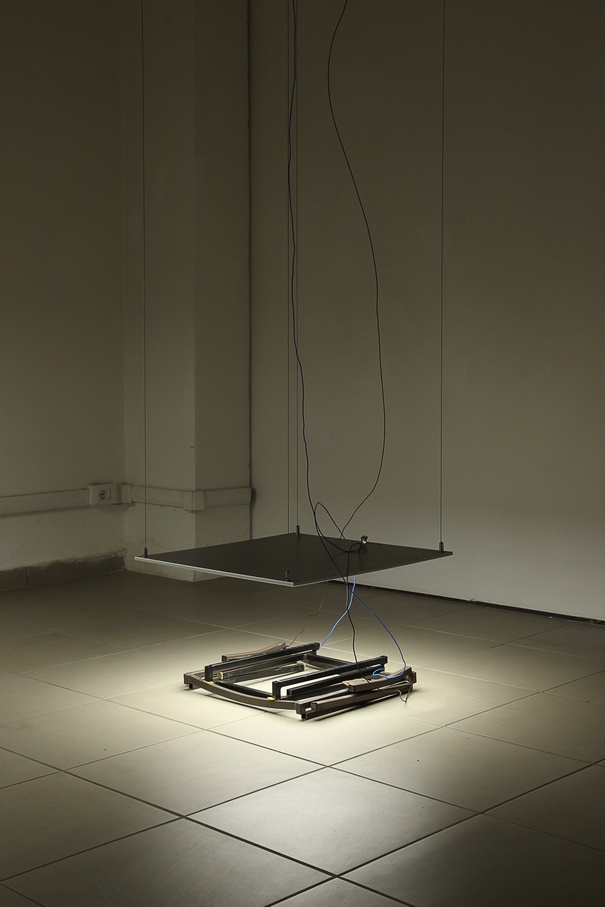
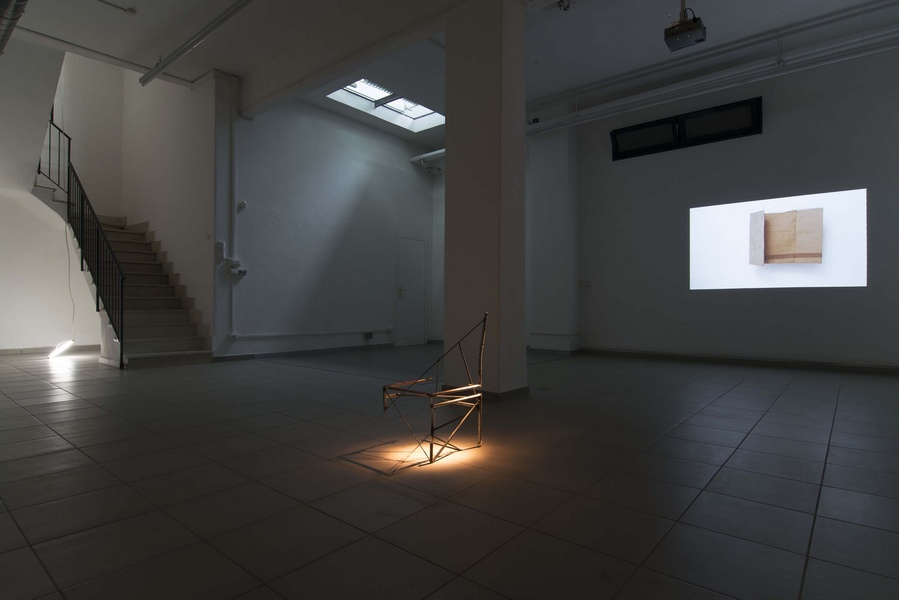
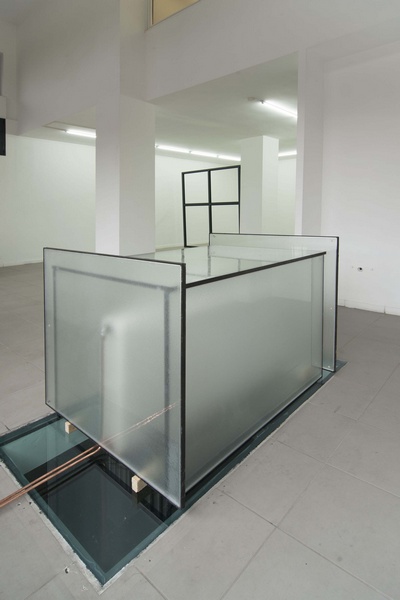
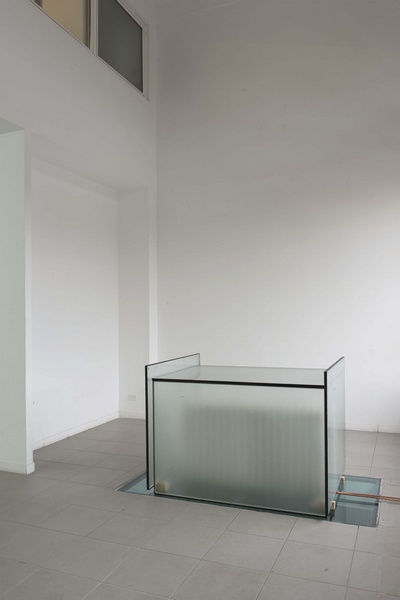
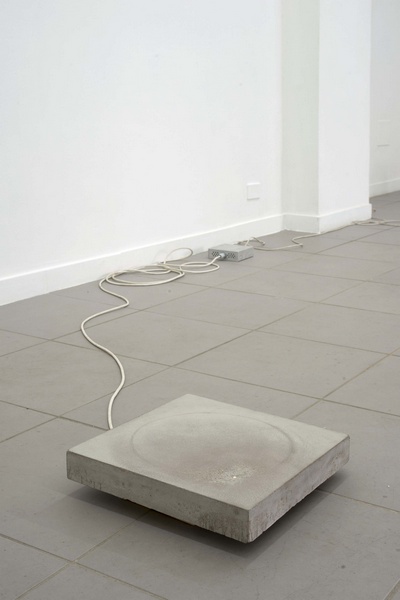
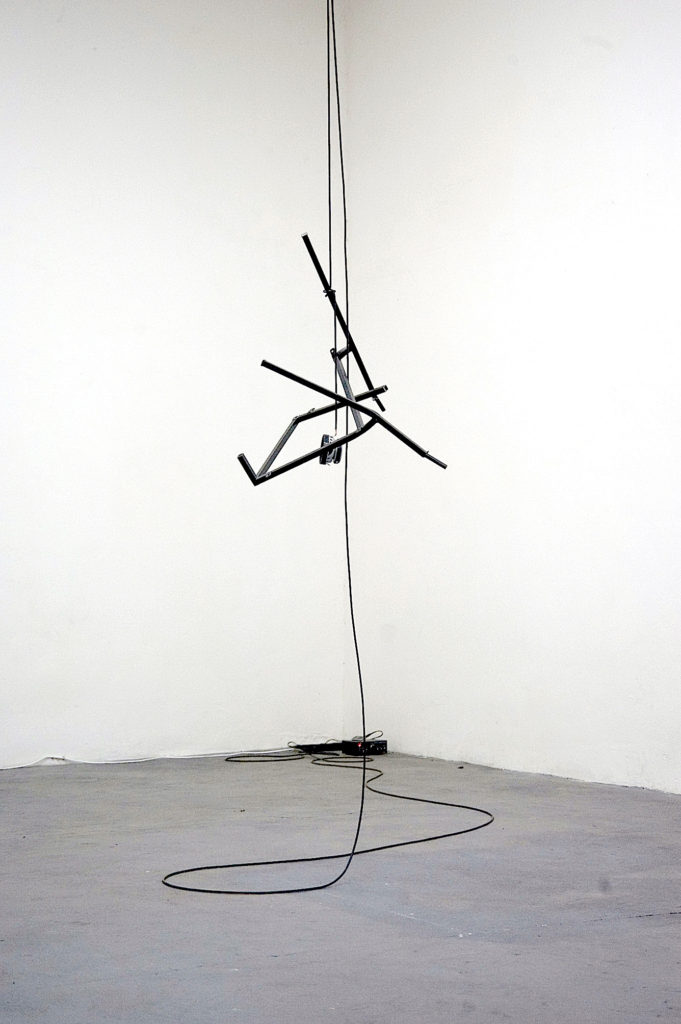
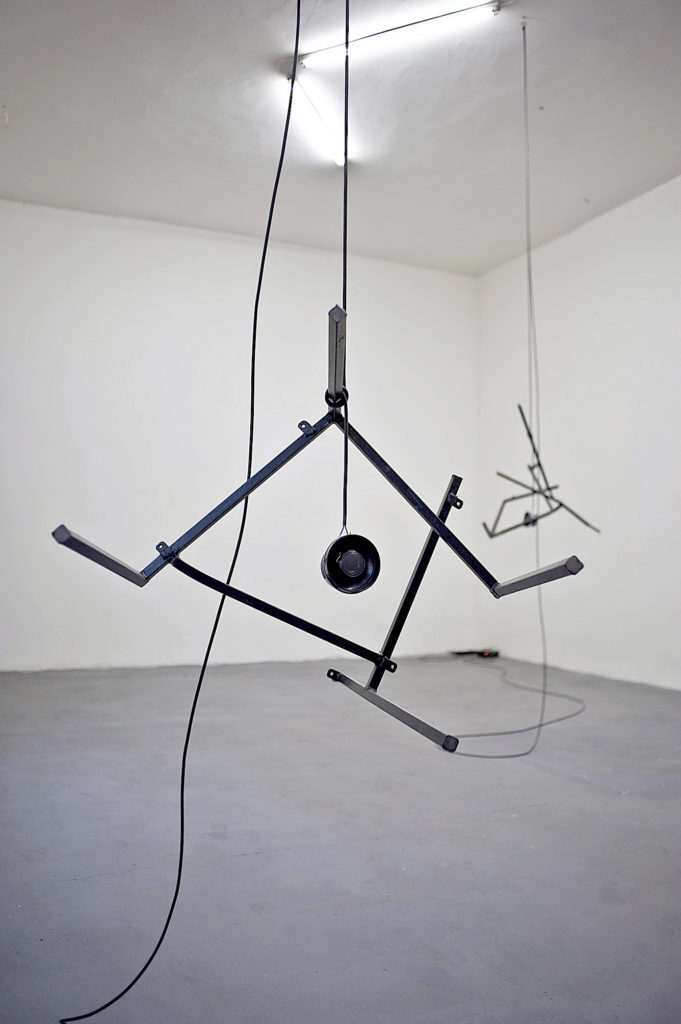
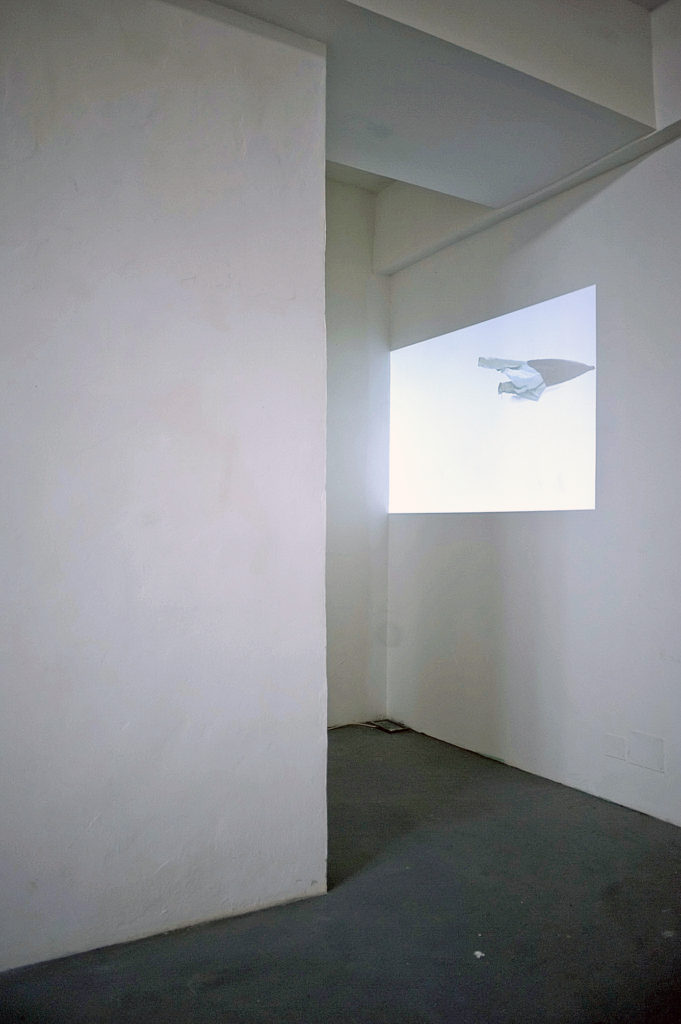
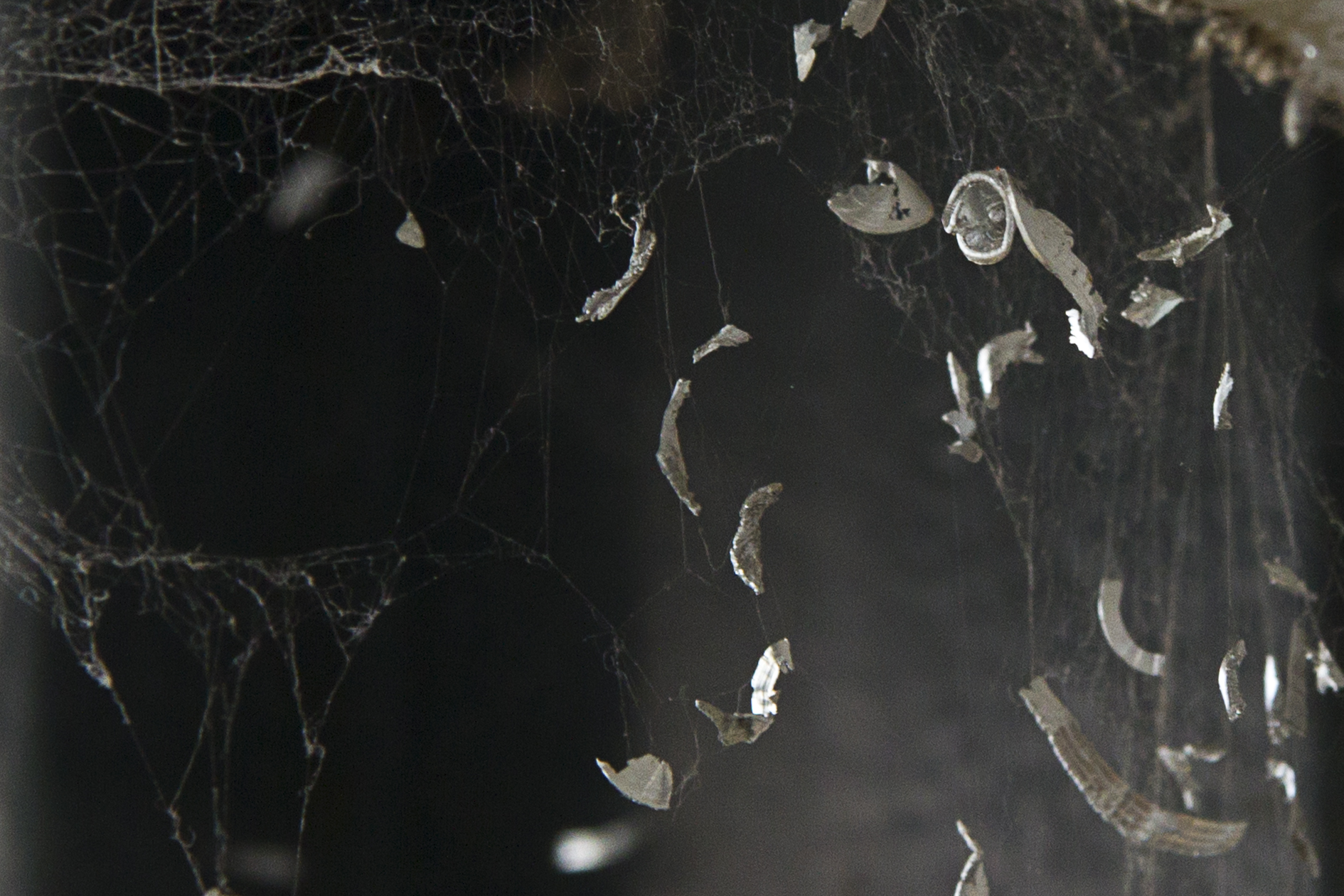
The Gallery Apart is proud to present Landscape Amnesia, the fifth solo show in the gallery by Florian Neufeldt (1976), German artist based in Berlin.

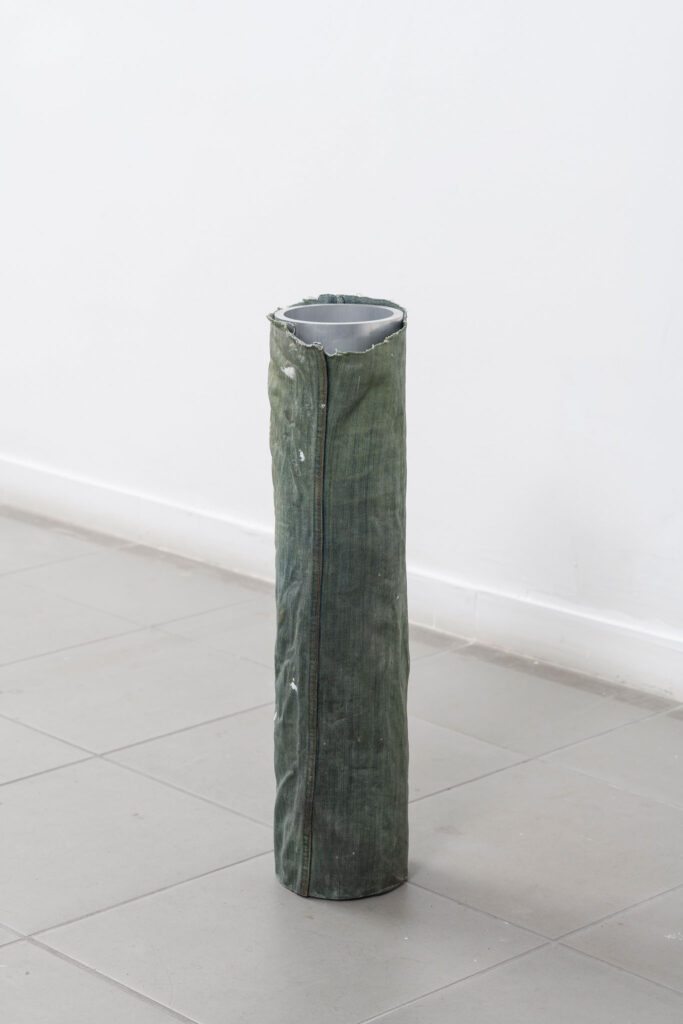
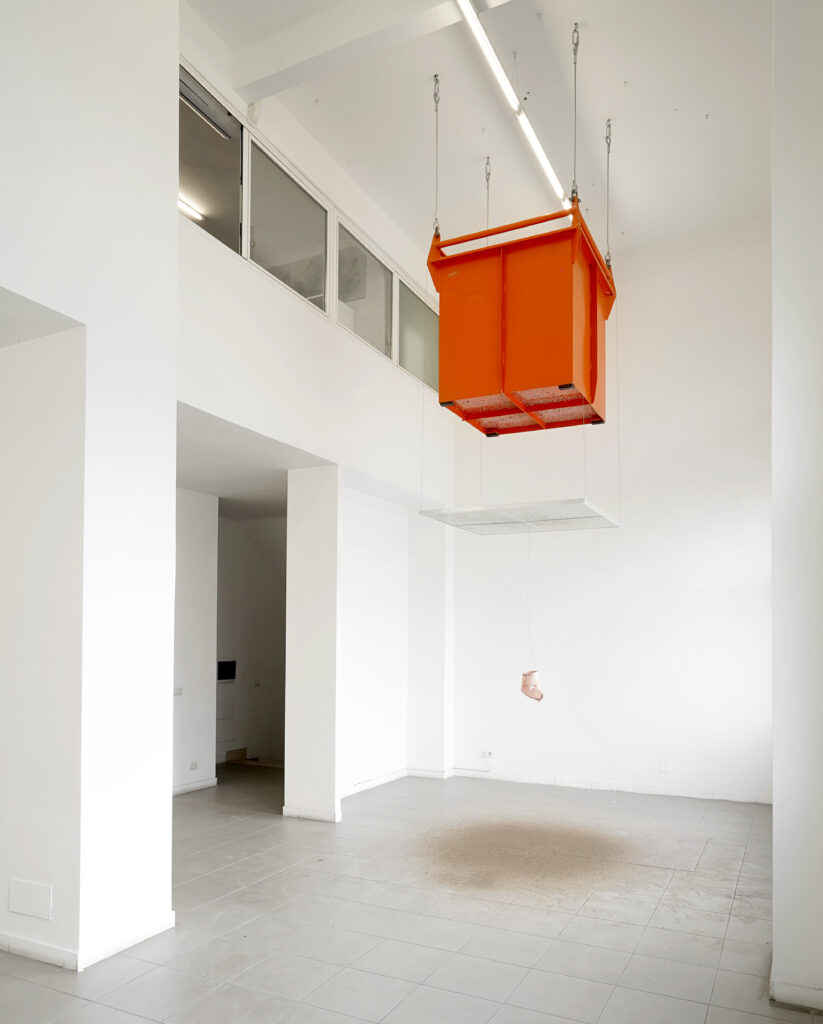
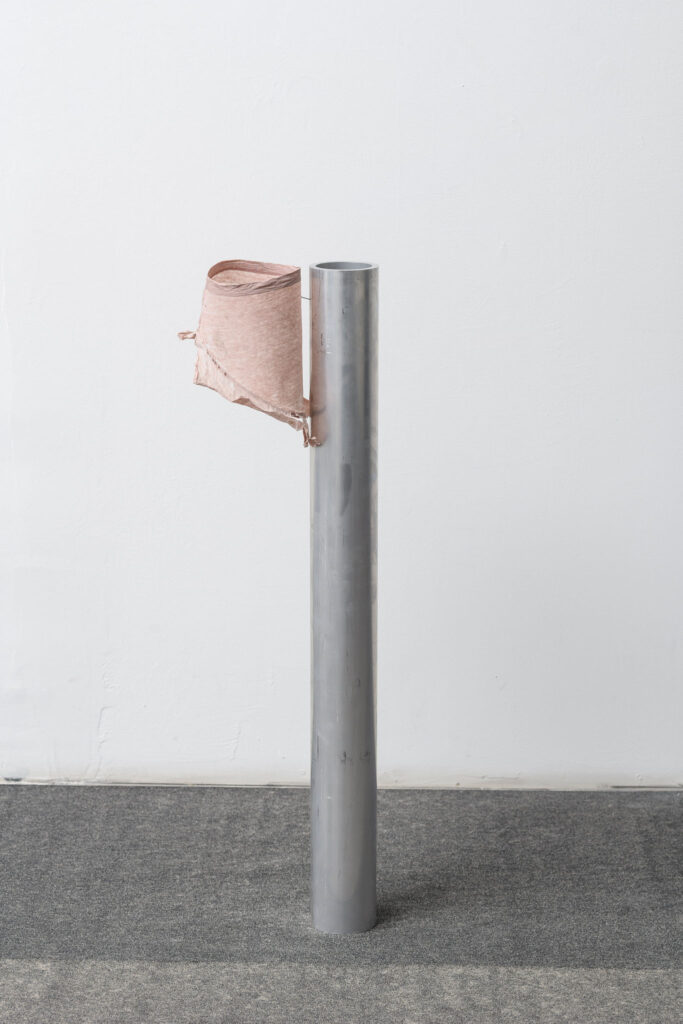
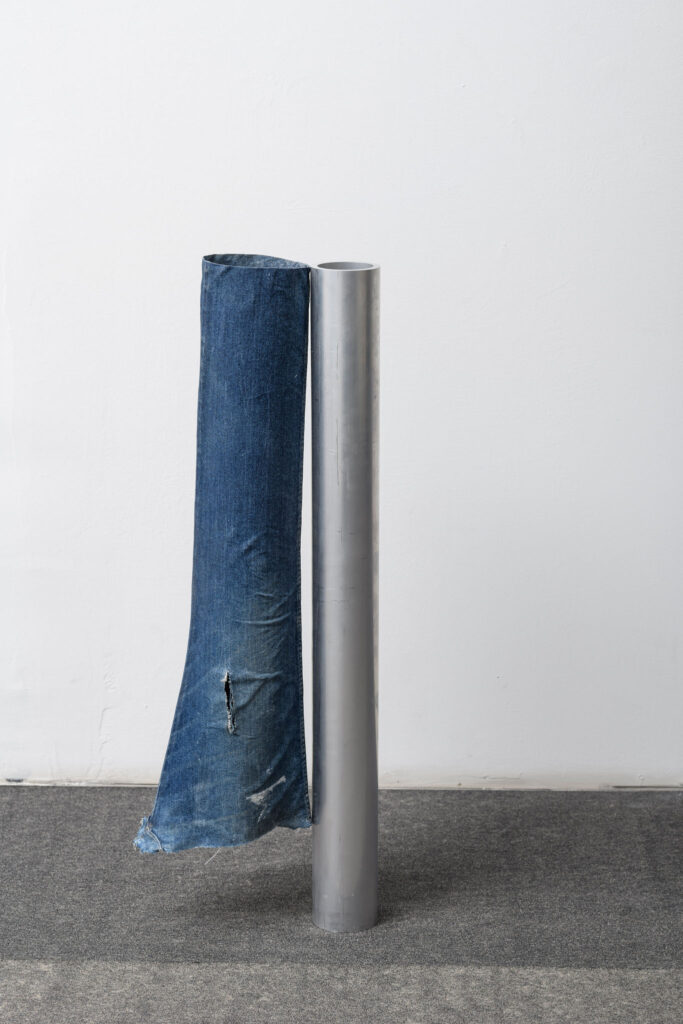
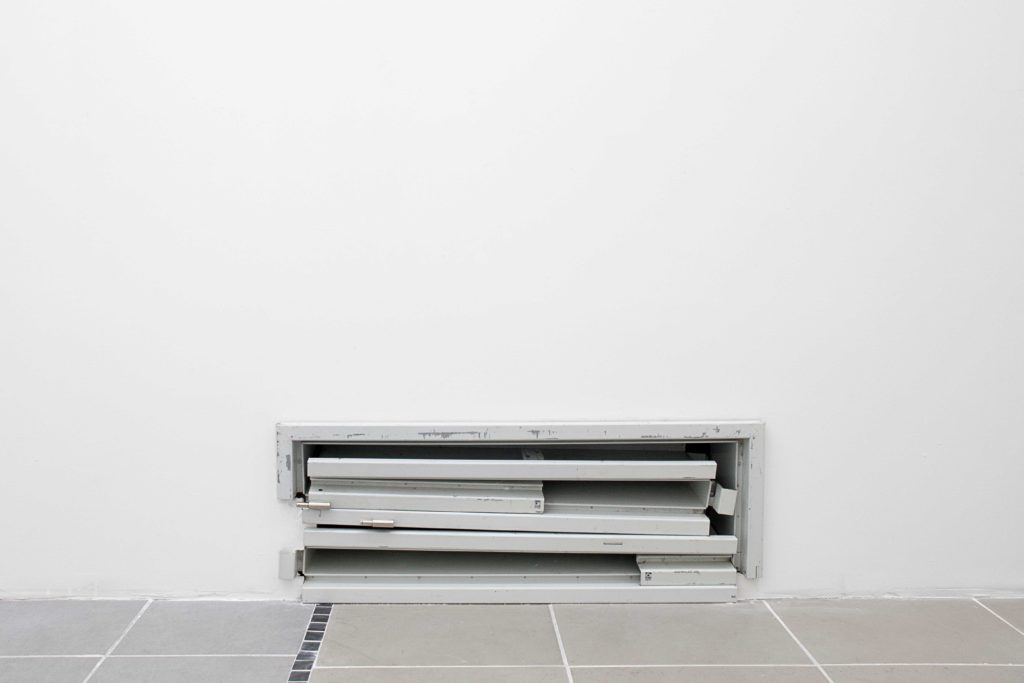
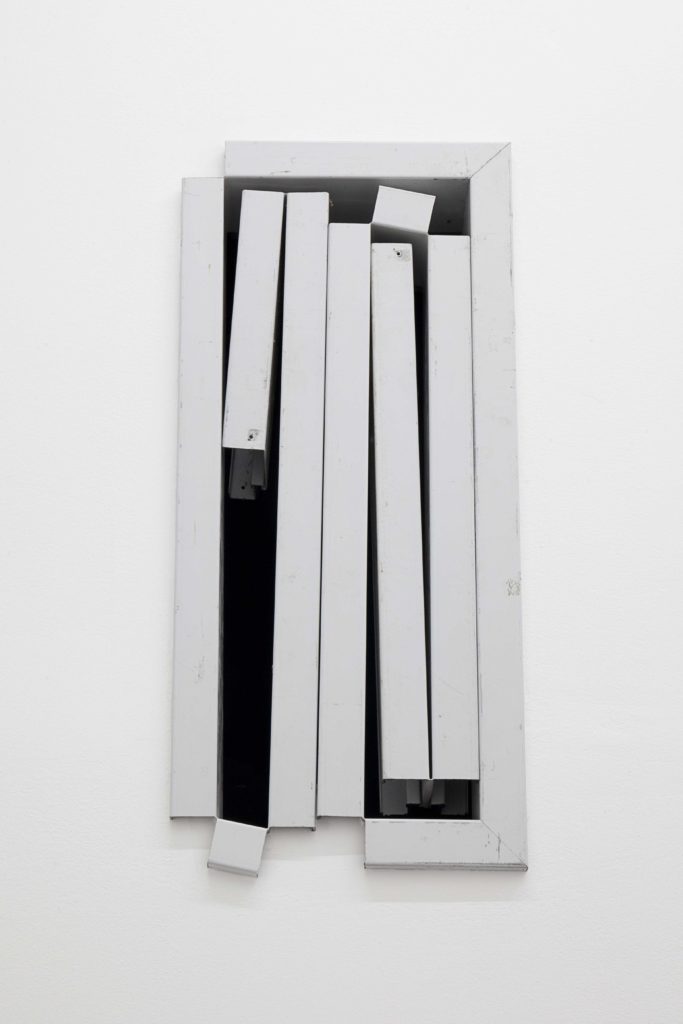
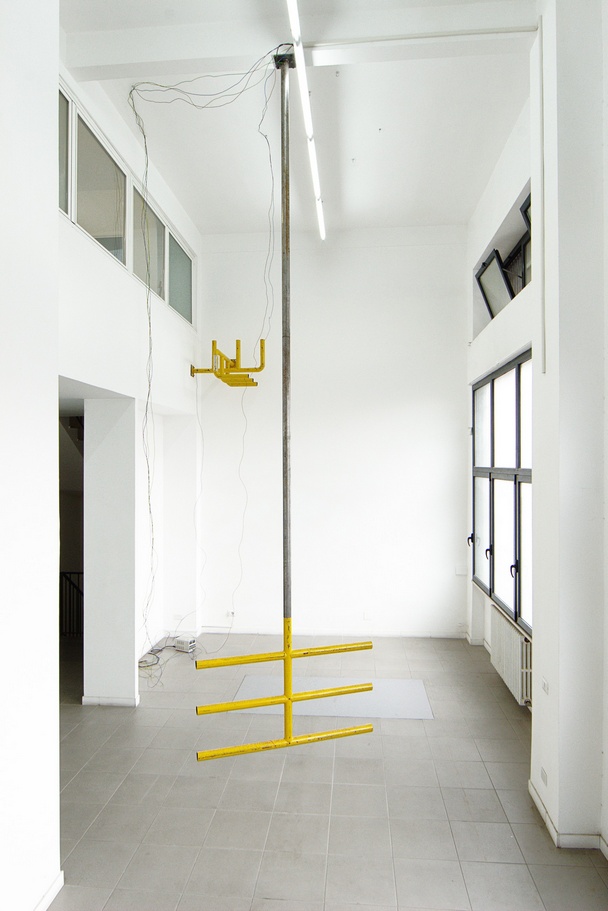
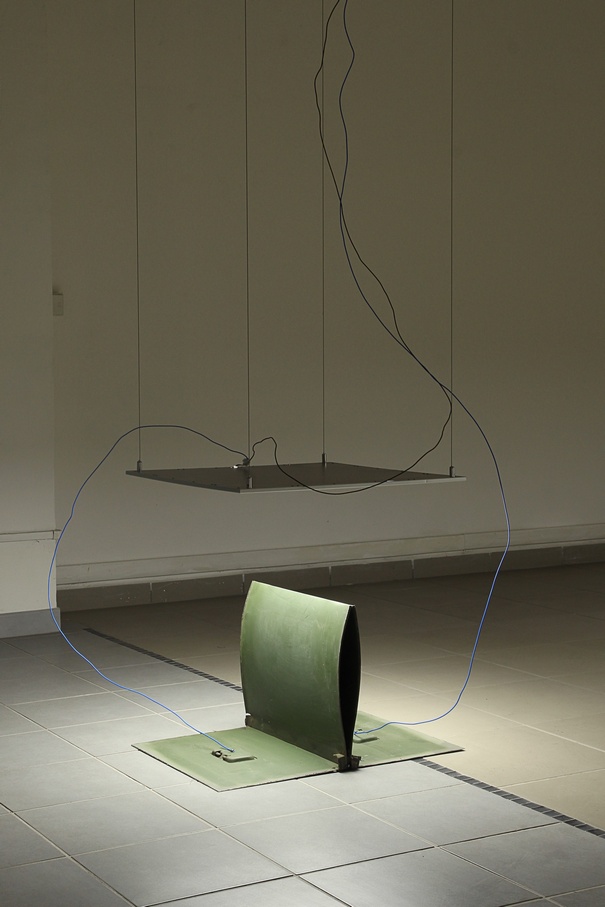
Throughout his artistic practice, Neufeldt has always held firm to certain lines of direction. While modifying the scale of his interventions, at times monumental and at times of smaller sculptural size, the artist’s work has always revolved around the alteration, reconfiguration and transformation of common objects, often making the sculptural result of such work dialogue with the spaces and architectures apt to receive the works.

Neufeldt’s sculptures create uncertainty in the viewer as they keep traces of the original object, which, however, is often difficult to recognize precisely because of the process of transformation pursued by the artist. In this sense, Neufeldt’s poetics should not be seen as the demiurgic or alchemical action of the artist who creates another reality, but rather as the work of a witness to concrete reality, inhabited by real objects that are manipulated to highlight the richness of possible different identities entrusted to new presences.

Believing that the old never leaves the new, Neufeldt moves forward in search of breaking points, or stepping stones, in the perceptual system that guides us through the world as we know it. We proceed like a somnambulist in a known environment inhabited by presences which might have been forgotten, until we stumble upon something precisely where we thought there was nothing to see: it is memory that guides us, an ancestral memory that allows adaptation to the environment that, however, suffers from a limitation, that of not recognizing creeping change, that which makes become only what we need normal.

Landscape Amnesia describes our loss of memory. Neufeldt borrows the expression from Jared Diamond’s book “Collapse: How Societies Choose to Fail or Survive,” a term with which the author attempts to circumscribe the human perceptual horizon within man-made ecological catastrophes. Change in nature is slow and gradual, and man is hardly aware of it. With Landscape Amnesia Neufeldt intends to emphasize how our perception and selectivity of memories are for large parts framed and produced by social patterns and are strongly limited by our cognitive abilities. Nevertheless, our perception is much more than a reflex and it is possible to find ways to activate memory and consciousness. This is what Neufeldt tries to convey to us by activating our perception with his works.

with the support of

The Gallery Apart è orgogliosa di presentare Landscape Amnesia, la quinta personale in galleria di Florian Neufeldt (1976), artista tedesco di stanza a Berlino.

Nel corso della sua pratica artistica Neufeldt ha sempre mantenuto salde alcune linee di indirizzo. Seppur modificando la scala dei suoi interventi, a volte monumentali altre volte di dimensione scultorea più contenuta, il lavoro dell’artista ha sempre ruotato intorno all’alterazione, riconfigurazione e trasformazione di oggetti comuni, spesso facendo dialogare il risultato scultoreo di tale lavoro con gli spazi e le architetture atte a ricevere le opere.

Le sculture di Neufeldt creano incertezza in chi le guarda poiché mantengono traccia dell’oggetto originario, spesso però difficilmente riconoscibile proprio in virtù del processo di trasformazione perseguito dall’artista. In tal senso la poetica di Neufeldt non va intesa come l’azione demiurgica o alchimistica dell’artista che crea una realtà altra, quanto come l’opera di un testimone della realtà concreta, abitata da oggetti reali che vengono manipolati per evidenziare la ricchezza delle possibili diverse identità affidate a nuove presenze.

Convinto che il vecchio non abbandoni mai il nuovo, Neufeldt procede alla ricerca di punti di rottura, o trampolini di lancio, nel sistema percettivo che ci guida attraverso il mondo così come lo conosciamo. Procediamo tutti come sonnambuli in un ambiente conosciuto abitato da presenze che potremmo aver dimenticato, finché non inciampiamo in qualcosa proprio laddove credevamo che non ci fosse nulla da vedere: è la memoria che ci guida tutti malgrado nel contempo ci sfuggano i ricordi. È una memoria ancestrale che ci consente l’adattamento all’ambiente che però soffre di un limite, quello di non riconoscere il cambiamento strisciante, quello che fa diventare normale solo ciò di cui abbiamo bisogno.

Landscape Amnesia descrive la nostra perdita di memoria. Neufeldt mutua l’espressione dal libro di Jared Diamond Collapse: How Societies Choose to Fail or Survive nel quale l’autore tenta di circoscrivere l’orizzonte percettivo umano all’interno della catastrofe ecologica creata dall’uomo. Il cambiamento in natura è lento e graduale e l’uomo stenta a percepirlo. Con Landscape Amnesia Neufeldt intende sottolineare come la nostra percezione e la selezione dei ricordi siano in gran parte inquadrate e prodotte da modelli sociali e fortemente limitate dalle nostre abilità cognitive. Ciò nondimeno è possibile trovare modi per attivare la memoria e la coscienza. Questo è quanto Neufeldt cerca di trasmetterci attivando con le sue opere la nostra percezione.

con il supporto di

Sealed Vessels

Florian Neufeldt

05.12.2018 – 15.02.2019

Exhibition Views

Works

The Gallery Apart is proud to present Sealed Vessels, the fourth solo show hosted in the gallery’s spaces by Florian Neufeldt (1976), a German artist based in Berlin.
Committed to relate his sculptural practice to the spaces and architectures hosting his works, Neufeldt further develops the central theme by making the exhibition space the content of his art and assigning the role of container not only to the gallery’s structure as such, but also to the objects found, which the artist usually selects and forges for the purpose of his formal research.
The show Sealed Vessels deals with containers in a broader sense. Since the early beginnings of humanity and its culture containers in every form, size, and functional purpose have played a crucial role in managing the daily life and survival. Be it caves as shelters, holes for storage or bowls to drink water. All these containers haven’t lost any significance and can be seen as one of the grounds our civilization is based upon.
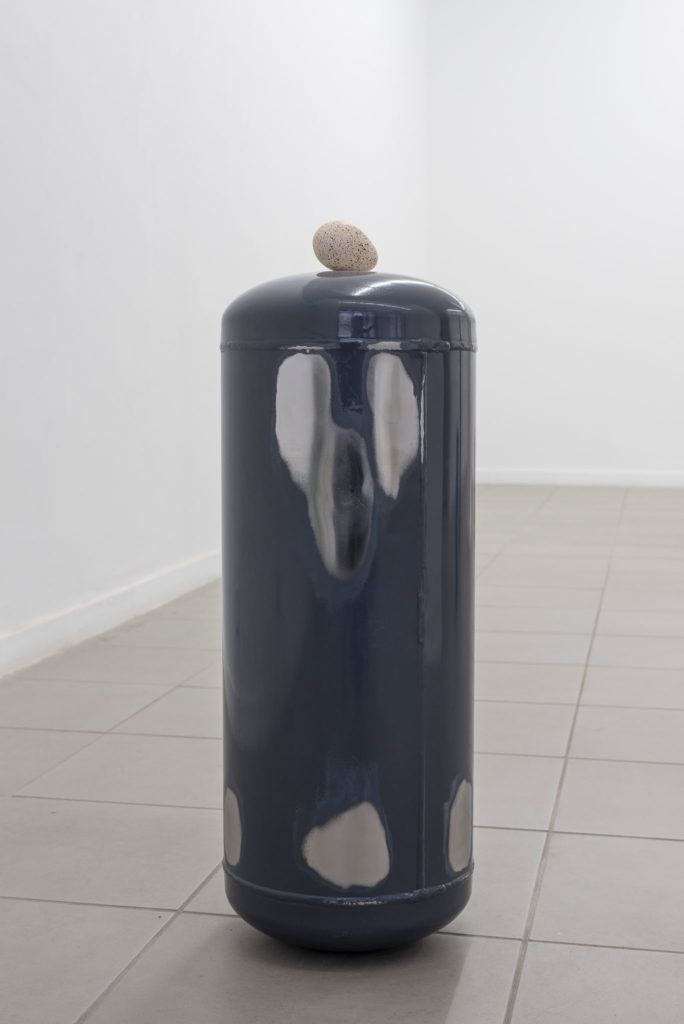
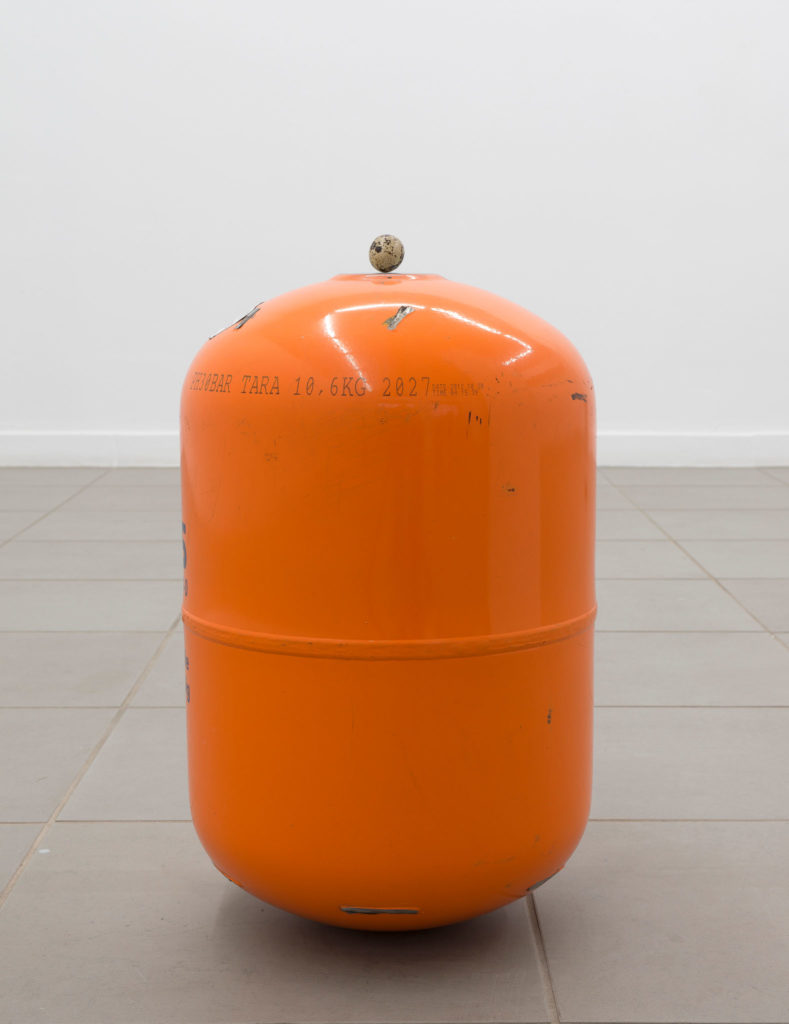
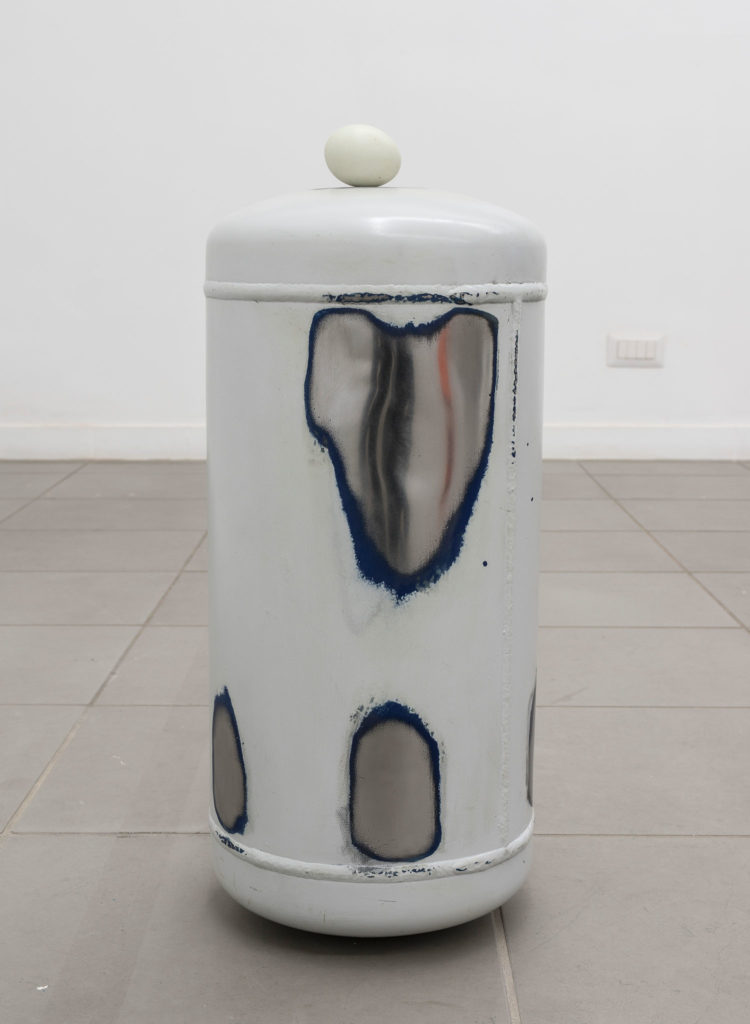
Humans have oftentimes drawn inspiration from nature, trying to copy it and its seemingly perfect models. One of these natural products is the egg whose extraordinary qualities have inspired all kinds of objects, architectures and more or less scientific theories. Even more than these theories, though, it is the religion in various forms which has incorporated the egg as a symbolic form and created an aura still gleaming.
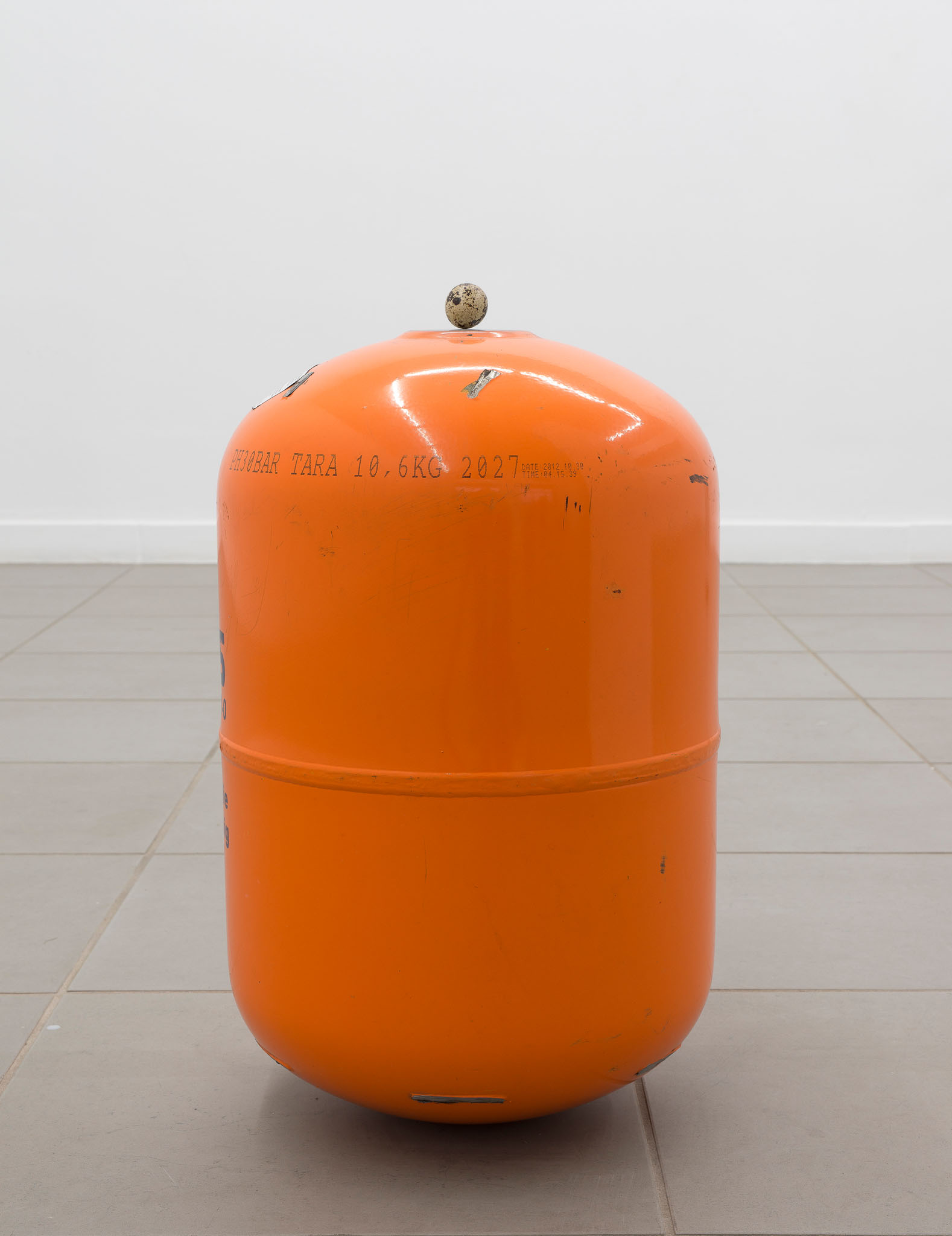
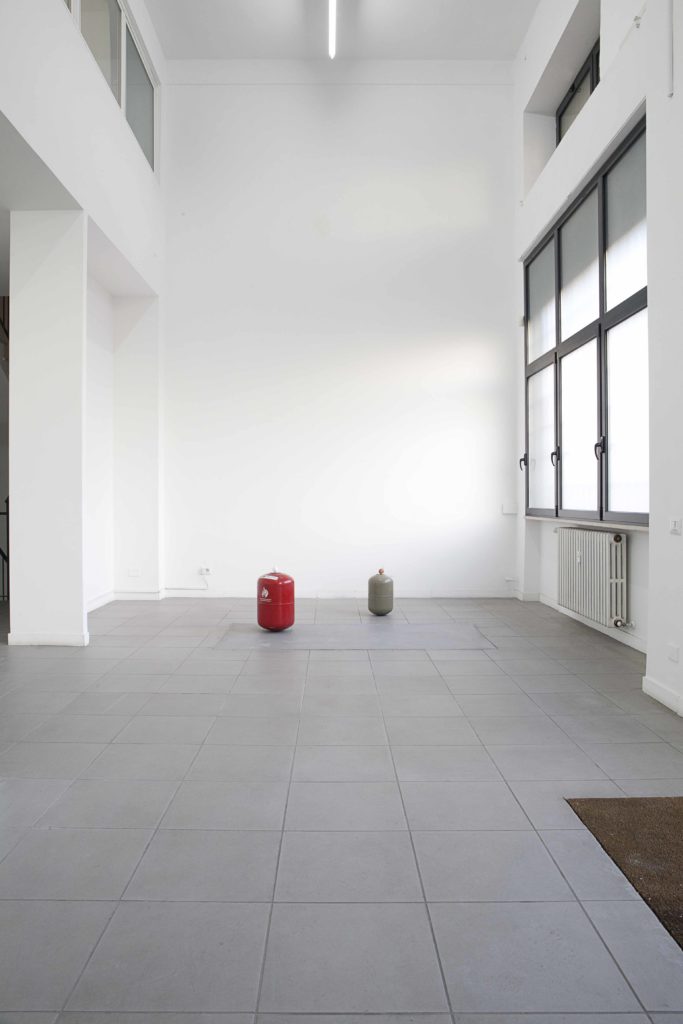
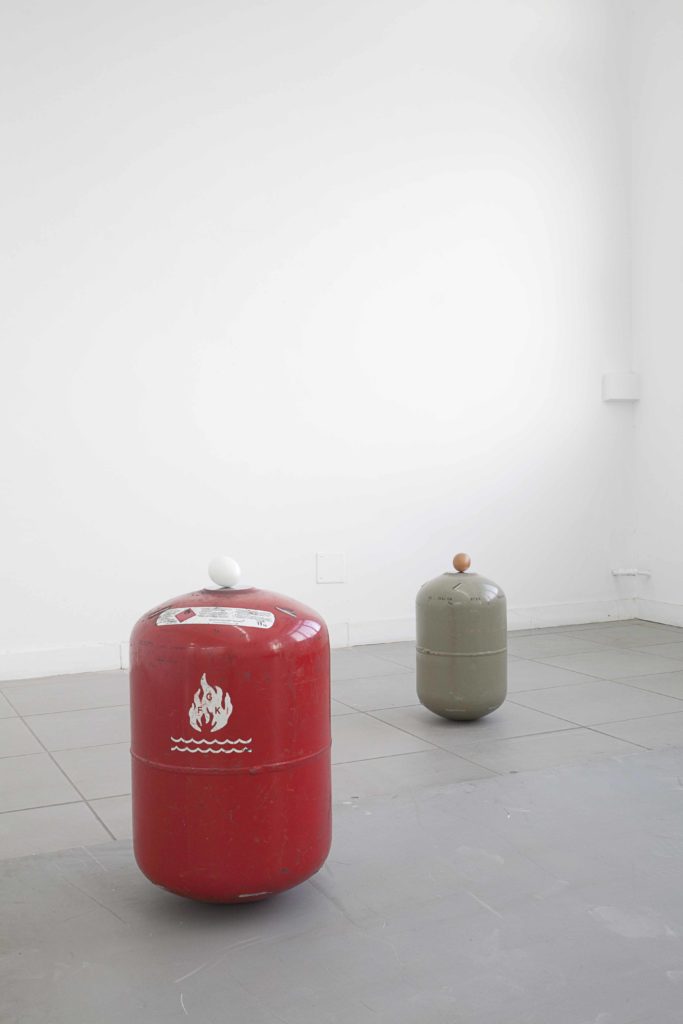
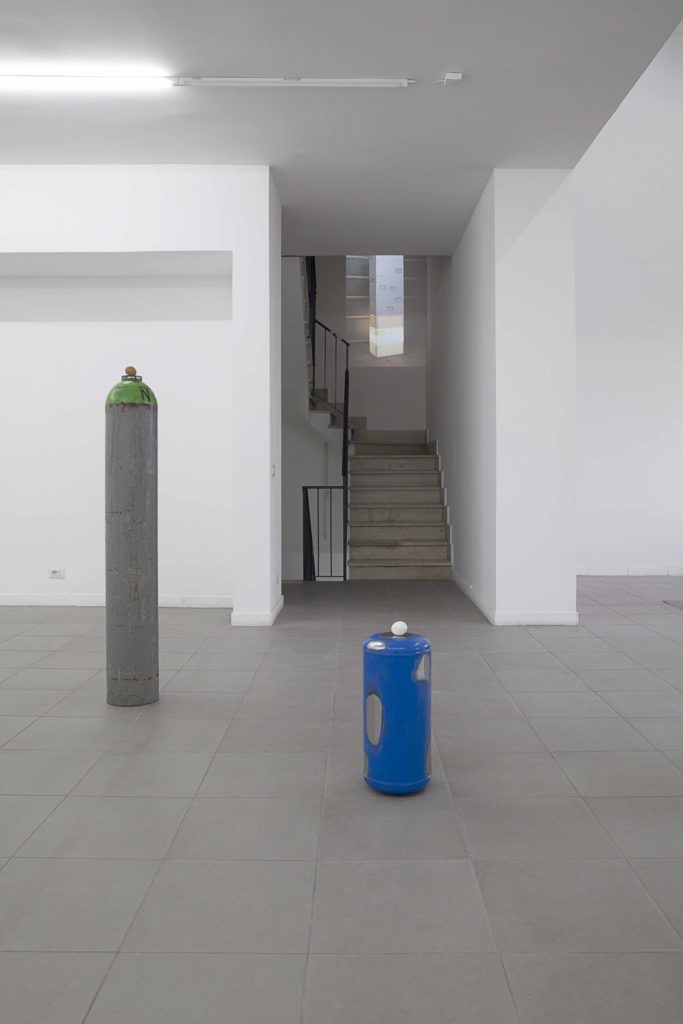
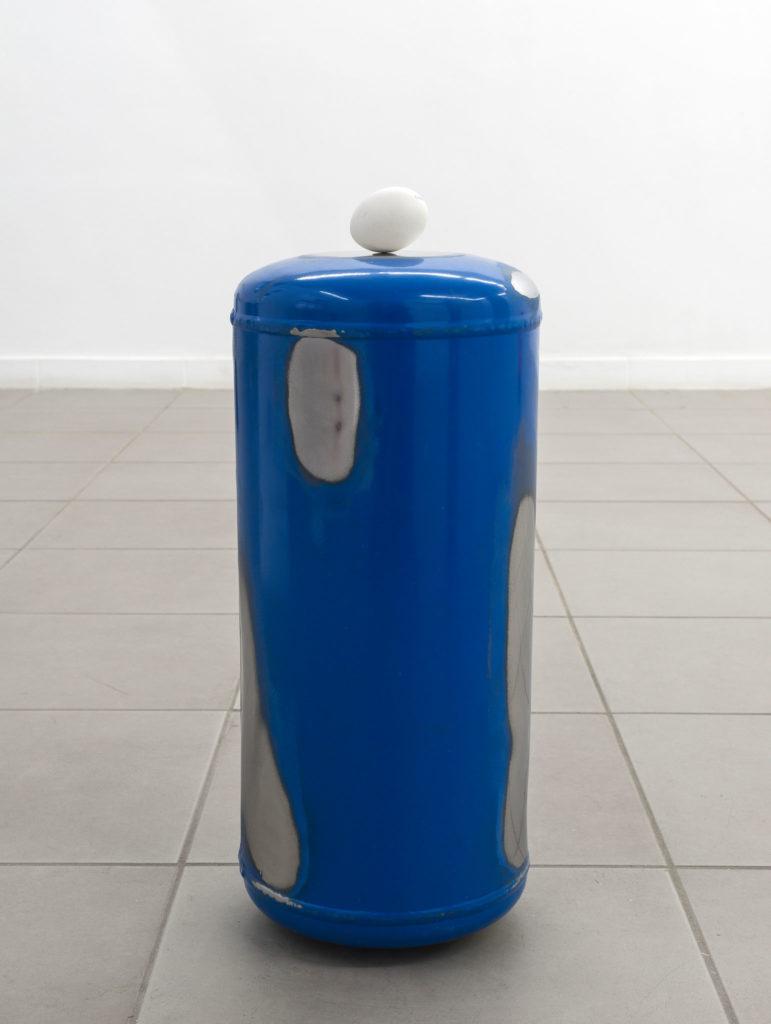
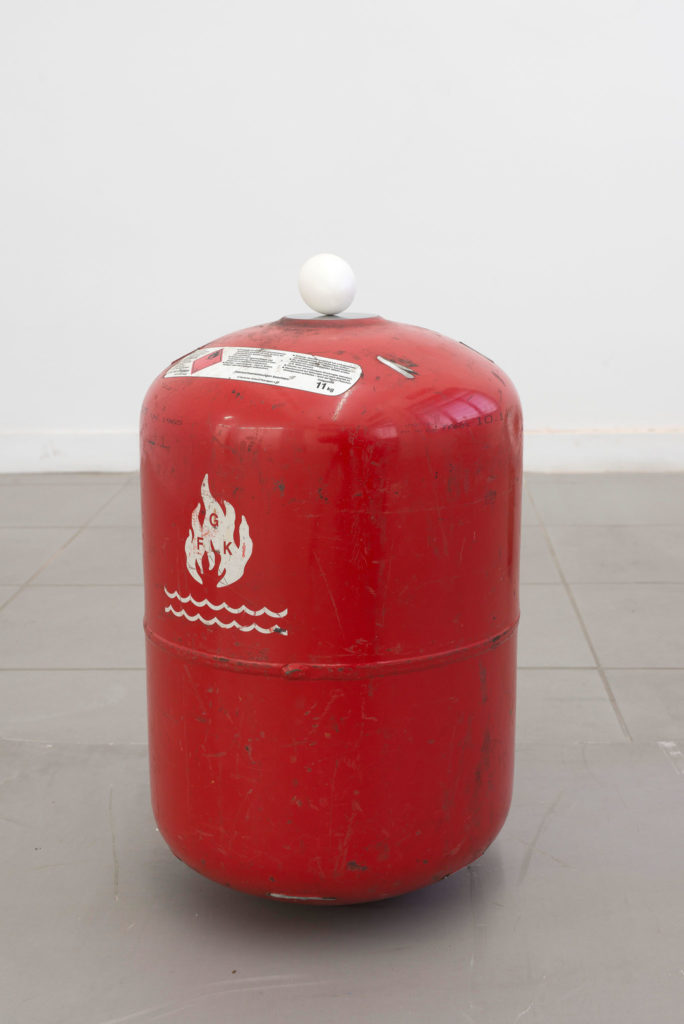
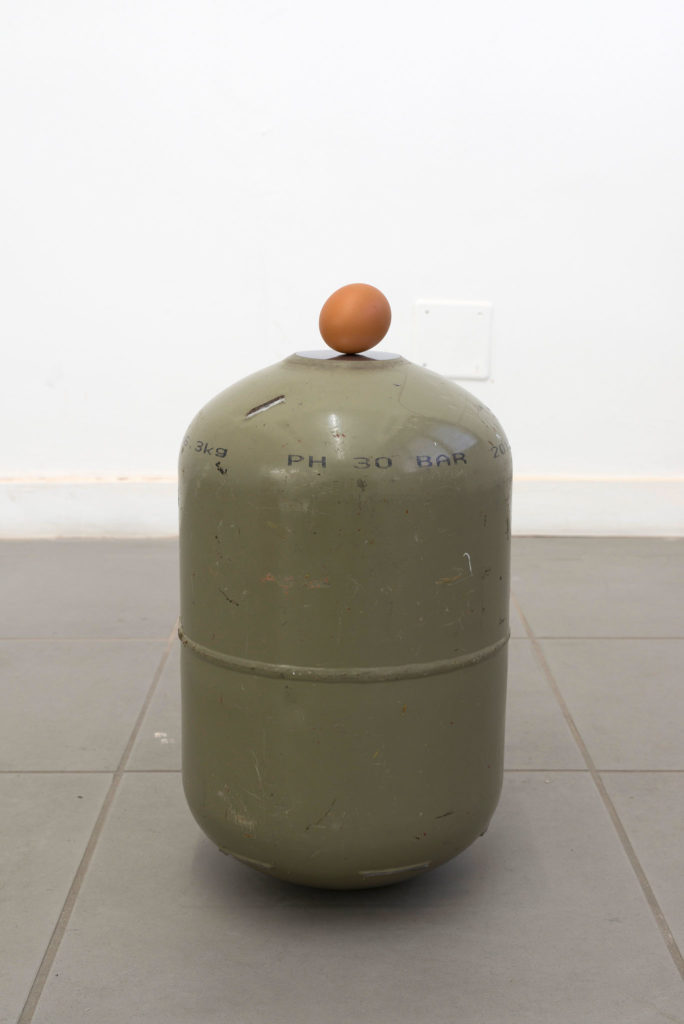
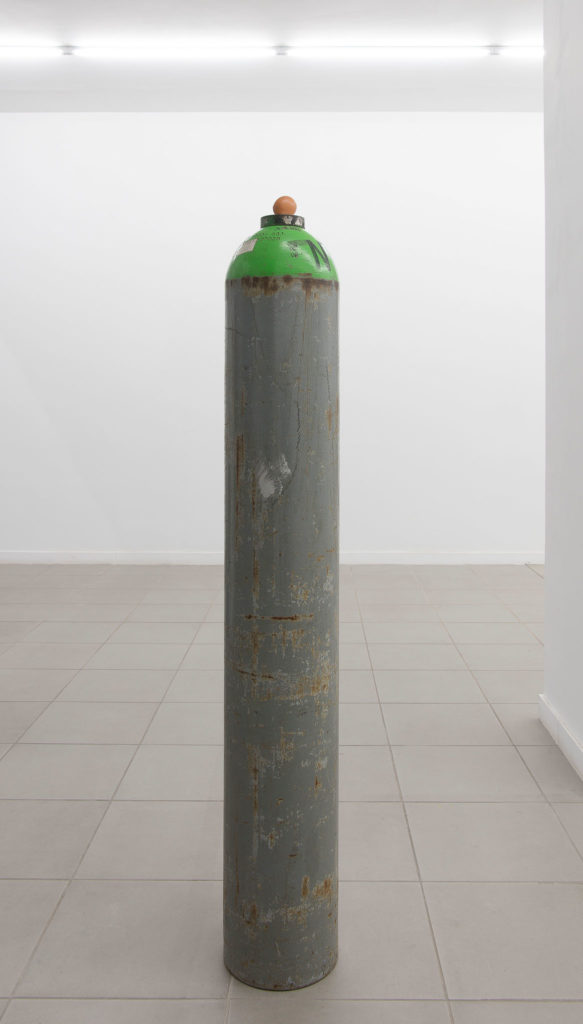
So if the egg as a container obviously evokes a content involving life and therefore high and auratic categories and principles, the industrial reality and mass-production mostly succeeds in disposing this aura. The title giving series Sealed Vessels contrasts eggs with human-made industrial metal containers featuring quite similar shapes. Reduced to their basic forms, with all attachments cut off and the openings sealed through welding, these standard containers for gases and liquids serve as a pedestal for the natural paradigm (the egg) which, regarding its strangely balanced position on the metal containers, might seem somehow attached to its epigone.
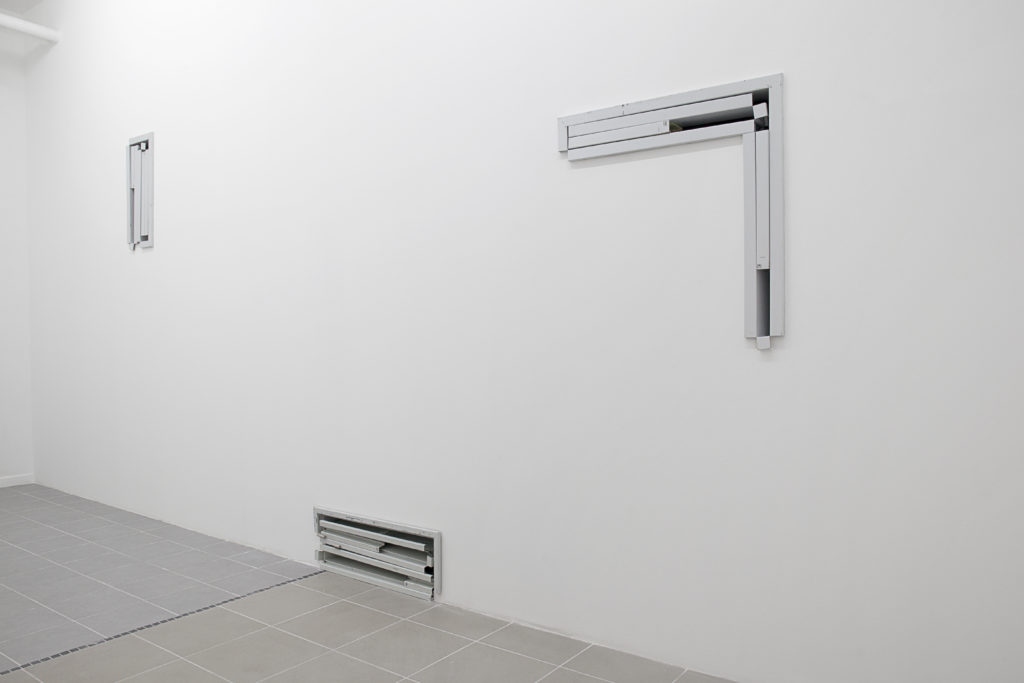
However, it is in the basement of the gallery that Neufeldt leads to extreme consequences the short circuit between content and container, between form and void. The space accessible to the viewer is drastically reduced due to the unexpected presence of a previously non-existent wall, which, on the one hand, compresses the exhibition space imposing a claustrophobic approach to the visit; on the other hand, it is presented as a container (once again) of artworks embedded in the wall and, finally, it inevitably evokes the presence of a larger space that, beyond the wall itself, suggests to the imagination about a huge void.
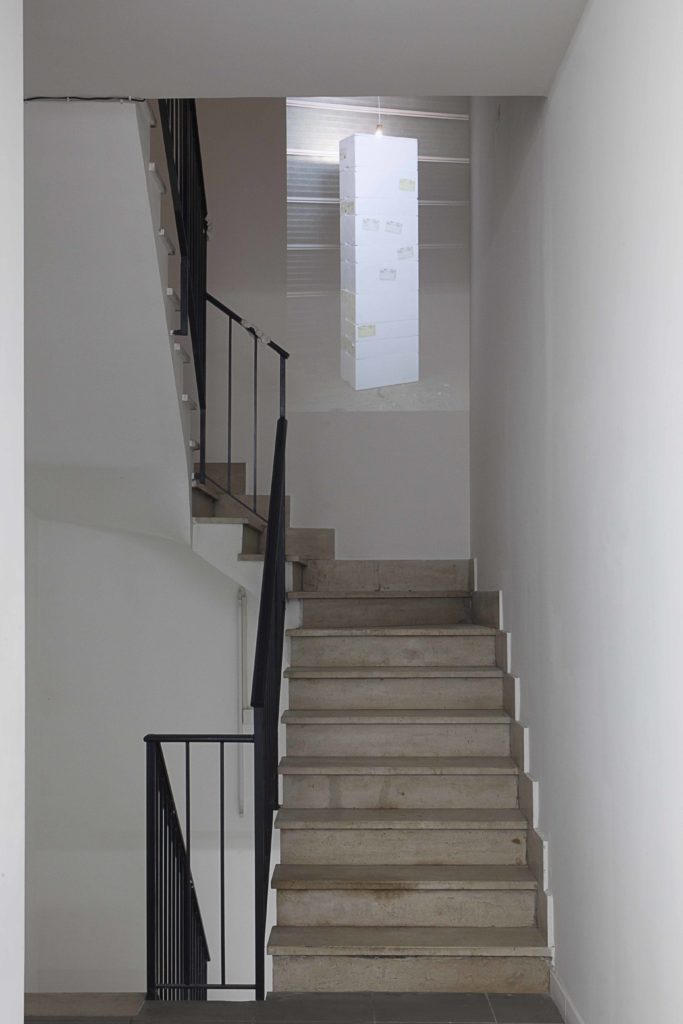
To round off the exhibit there is a video that, once again, highlights the unique approach of Neufeldt to the medium, already used on other events but always with a sculptural approach, aimed at exploiting with simplicity and, at the same time, with depth the predisposition of the moving image to fathom any possible relationship between the object and the surrounding space. 

The Gallery Apart è orgogliosa di presentare Sealed Vessels, la quarta personale in galleria di Florian Neufeldt (1976), artista tedesco di stanza a Berlino.
Impegnato a relazionare la propria pratica scultorea con gli spazi e le architetture atte a ricevere le sue opere, Neufeldt approfondisce ulteriormente il tema facendo dello spazio il contenuto della sua arte e assegnando il ruolo di contenitore non solo alla struttura della galleria in quanto tale ma anche agli oggetti trovati, che l’artista abitualmente seleziona e piega ai fini della sua ricerca formale.
La mostra Sealed Vessels fa riferimento ai contenitori in senso lato. Fin dagli albori dell’umanità e della sua evoluzione culturale i contenitori di qualunque forma, dimensione e destinazione funzionale hanno giocato un ruolo cruciale nella gestione della vita quotidiana e ai fini della sopravvivenza. Dalle caverne utilizzate come rifugi dagli uomini primitivi ai vasi per contenere derrate alimentari, acqua o altri liquidi, l’importanza dei contenitori non è mai venuta meno ed essi possono essere visti come una delle basi su cui si fonda la nostra civiltà.
L’uomo ha spesso tratto spunto dalla natura, tentando di copiarla nei suoi modelli apparentemente perfetti. Uno di questi prodotti naturali è l’uovo le cui straordinarie qualità hanno ispirato una moltitudine di oggetti, architetture e teorie più o meno scientifiche. Ancor più di queste teorie è la religione nelle sue varie manifestazioni ad avere introiettato l’uovo come forma simbolica assegnandogli un’aura ancora brillante.
Se l’uovo come contenitore evoca naturalmente un contenuto che attiene alla vita e dunque a categorie e principi alti e auratici, la realtà industriale e la produzione di massa riescono per lo più a sminuire quest’aura. La serie di sculture intitolate Sealed Vessels mette a confronto le uova con contenitori industriali metallici creati dall’uomo che assumono una forma abbastanza simile. Ridotti alle loro forme di base, con tutti gli accessori eliminati e le aperture sigillate mediante saldatura, questi contenitori standard per gas e liquidi fungono da piedistallo per il paradigma naturale (l’uovo) che, per quanto riguarda la sua posizione stranamente bilanciata sui contenitori metallici, potrebbe sembrare in qualche modo attaccato al suo epigono.
Ma è nel basement della galleria che Neufeldt porta ad estreme conseguenze il corto circuito tra contenuto e contenitore, tra forma e vuoto. Lo spazio agibile da parte dello spettatore viene radicalmente ridotto a causa dell’inopinata presenza di un muro prima inesistente, che da una parte strizza lo spazio espositivo imponendo un approccio claustrofobico alla visita, dall’altra si propone come contenitore (di nuovo) di opere questa volta incastonate nella parete e, infine, evoca inevitabilmente la presenza di uno spazio ben più grande che, oltre la parete stessa, propone all’immaginazione un grande vuoto.
Completa la mostra un video che ancora una volta evidenzia la particolare attitudine di Neufeldt al mezzo, già utilizzato in altre occasioni ma sempre con un approccio scultoreo, volto a sfruttare con semplicità e nel contempo con profondità la predisposizione dell’immagine in movimento a scandagliare ogni possibile relazione tra oggetto e spazio circostante.

Stray Currents

Florian Neufeldt

24.02.2017 – 29.04.2017

Exhibition Views

Works

The Gallery Apart is proud to present STRAY CURRENTS, the third solo show hosted in the Gallery’s spaces by Florian Neufeldt, German artist based in Berlin. Neufeldt carries on his research on the relationships between architectures, objects and matter, a path based on the idea of space, particularly with regard to mental space. The works by Neufeldt, indeed, are the result of a process of deconstruction and reconstruction which mostly takes place at thought level, starting from the evocative impressions offered to the artist by the expressive potential he himself sees in imagining the transformations to which he submits the objects used as starting points for his sculptures.  

The objets trouvés that make up the artist’s imaginary are not collected, selected and used as found objects, but as matter capable of being transformed. Neufeldt is interested in the identity of the selected object and in the identity of the new shape he donates to that object, identities that are linked by a line differential which saves the memory of the previous object and, at the same time, creates a new shape provided with a strong power of abstraction. They are two halves of the same whole that finds its completion first in the visual and then in the mental perception. And this creates a vicious circle: the work comes to life in the artist’s mind  and passes through the transformation of the matter, it is captured by the beholders’ eye to end its journey in their mind.

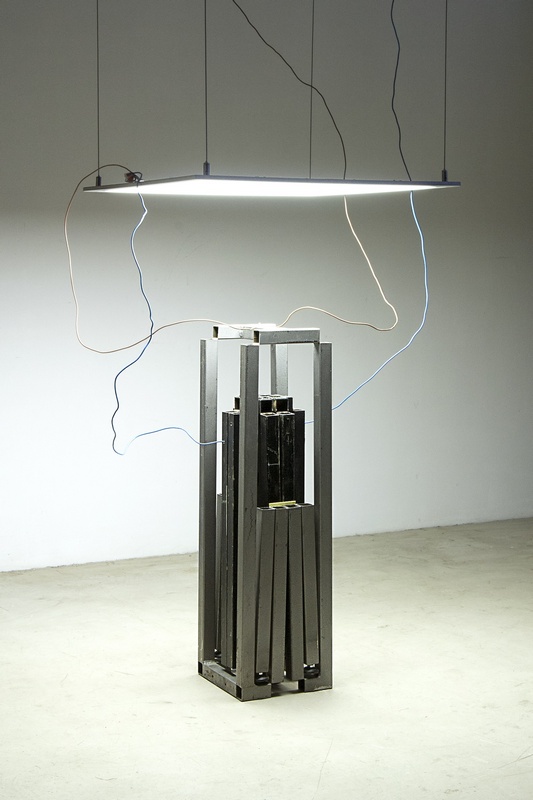
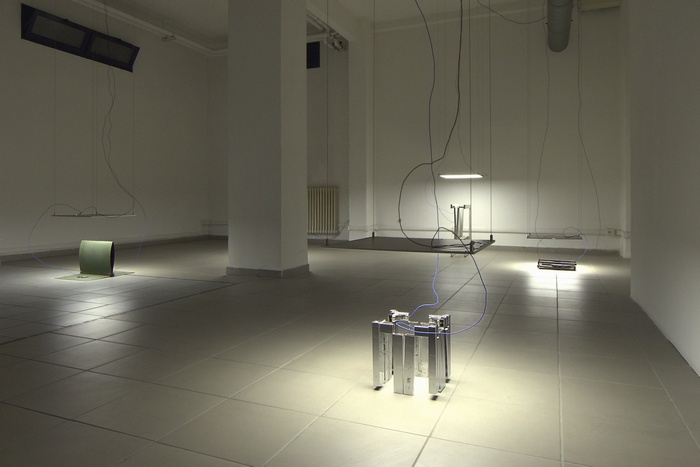
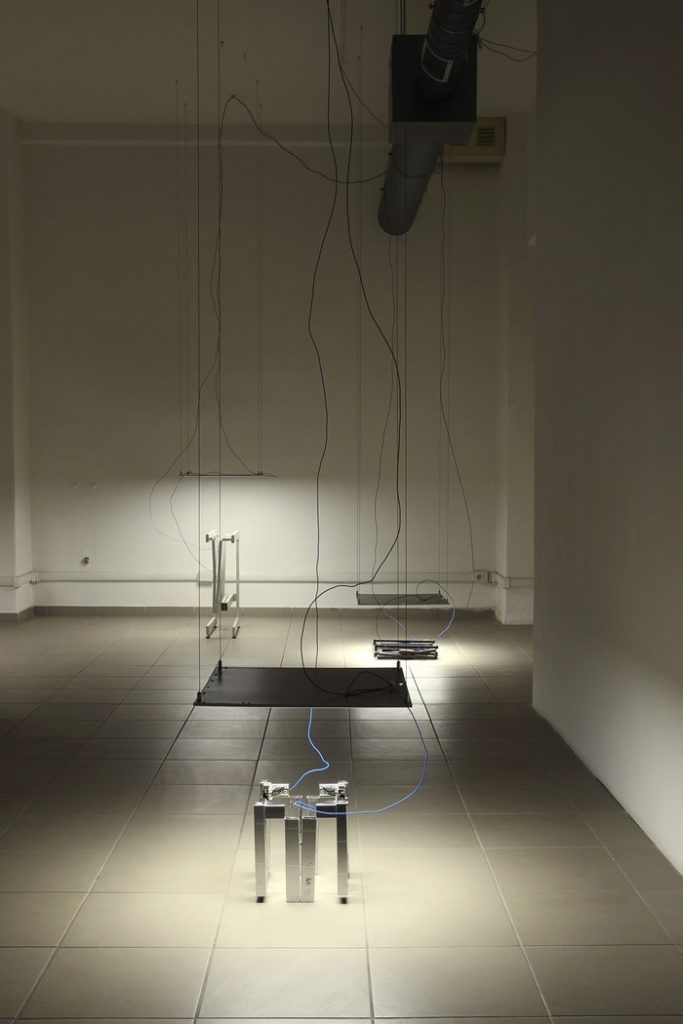
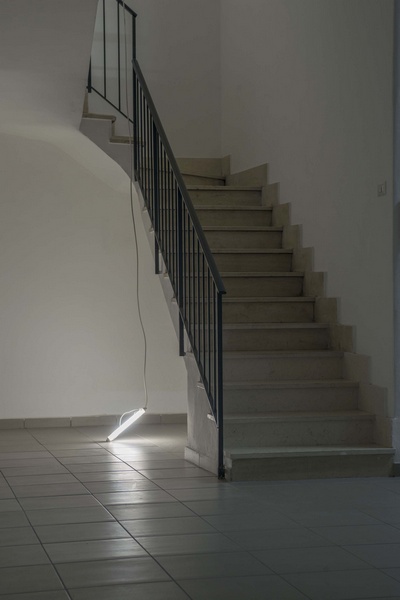
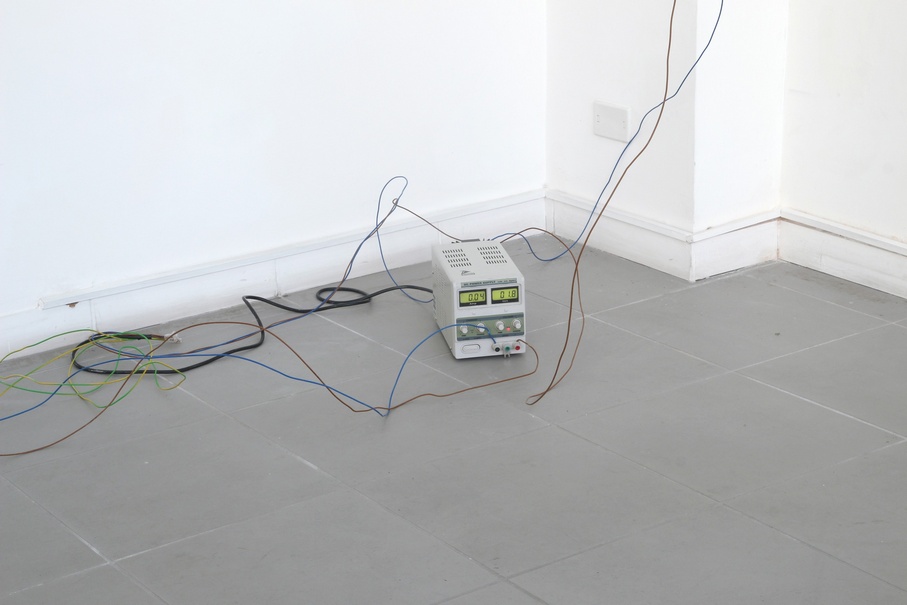
STRAY CURRENTS deals indeed with the way everyday use objects are perceived, particularly exploring their relationship with energy, in the form of electric energy, when they are processed and modified so as to become conductor devices throughout which current flows, and which partly is dispersed into the environment. The works on display are connected with the Gallery’s electrical system, so that the activation or deactivation of the electrical current directly influences their essence as inert objects, that is their being conductors. The work is therefore activated in this function of energy conduction, in a symbolic and also material sense.

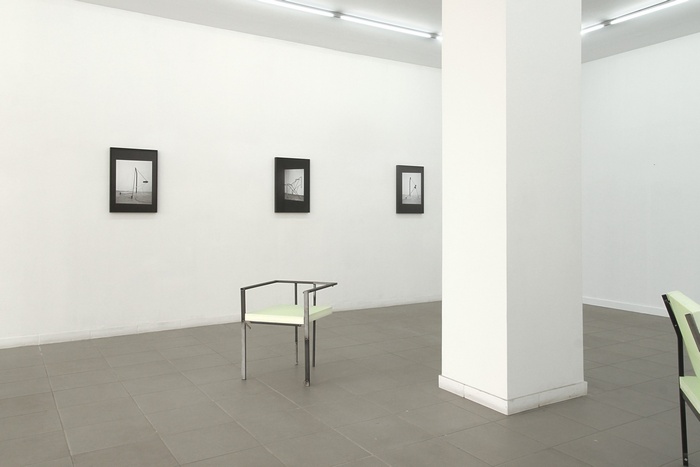
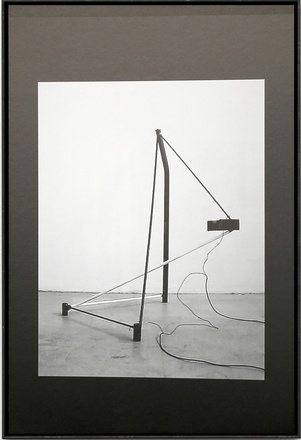
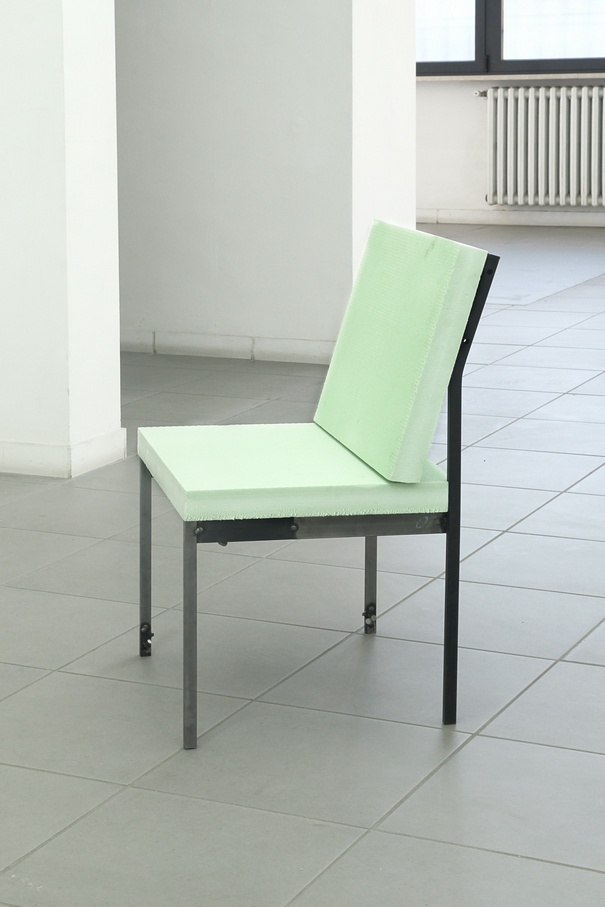
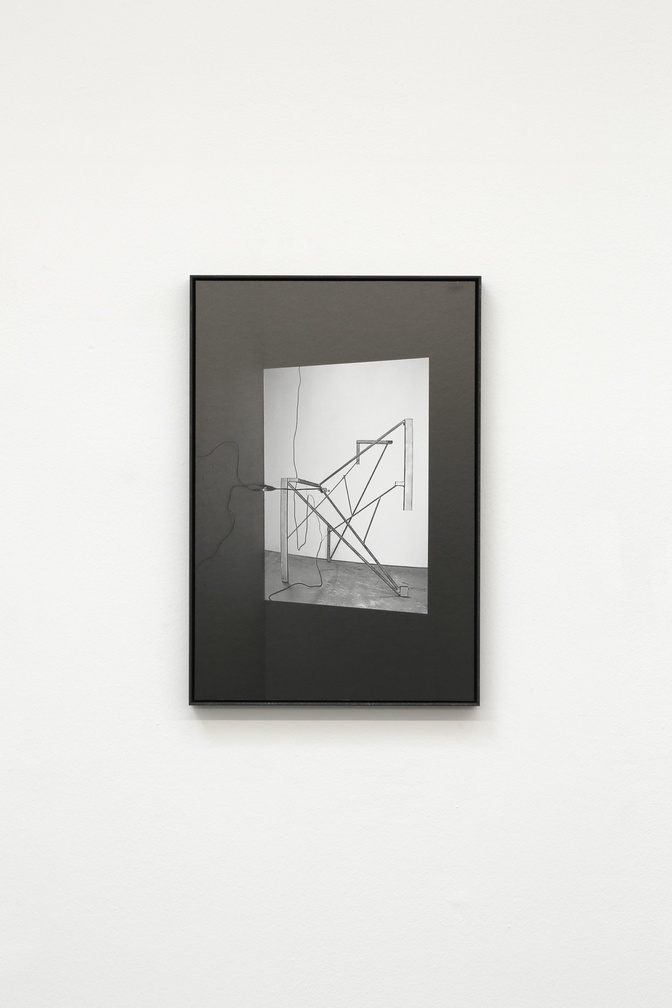
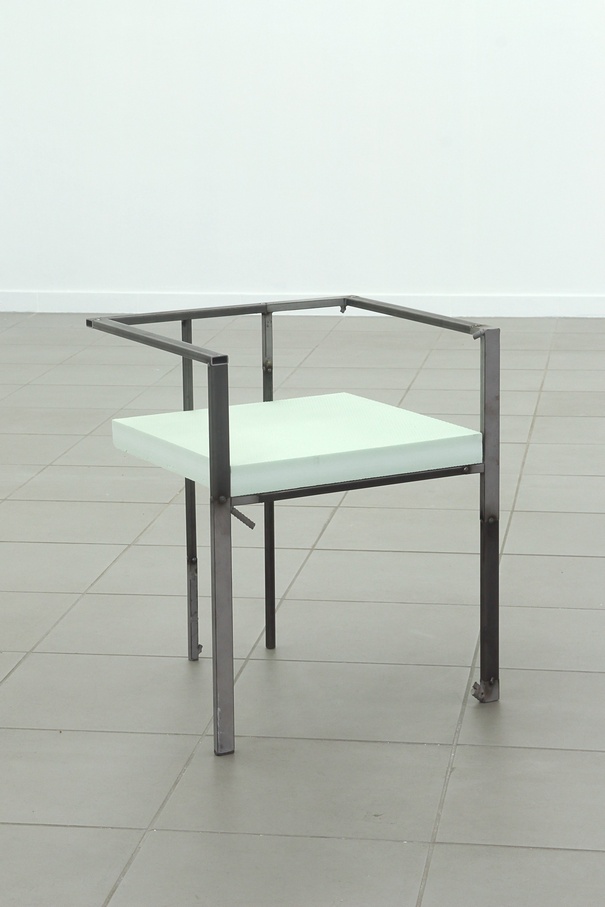
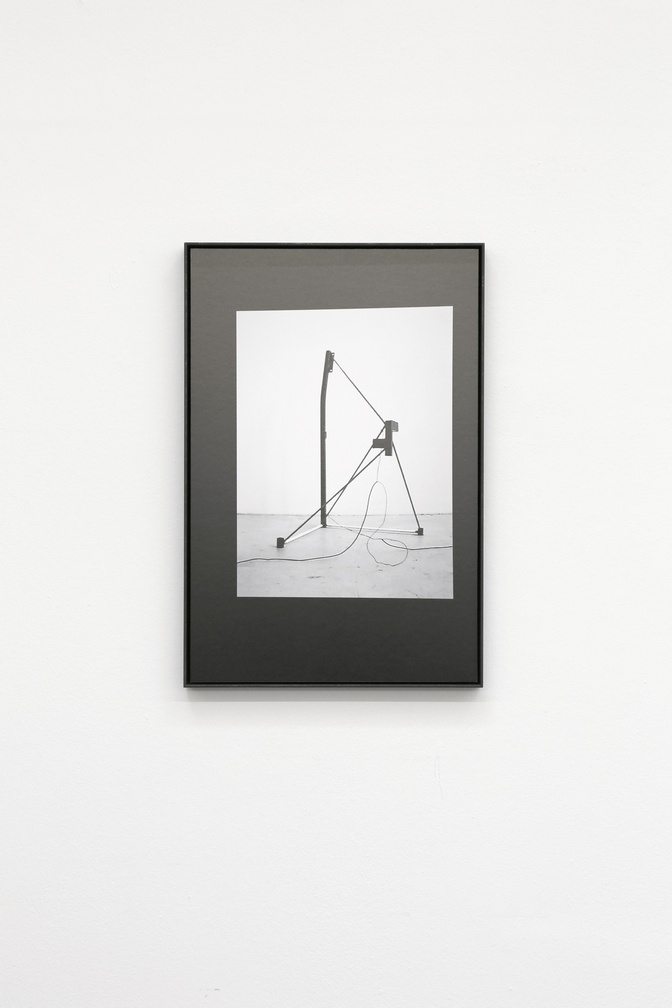
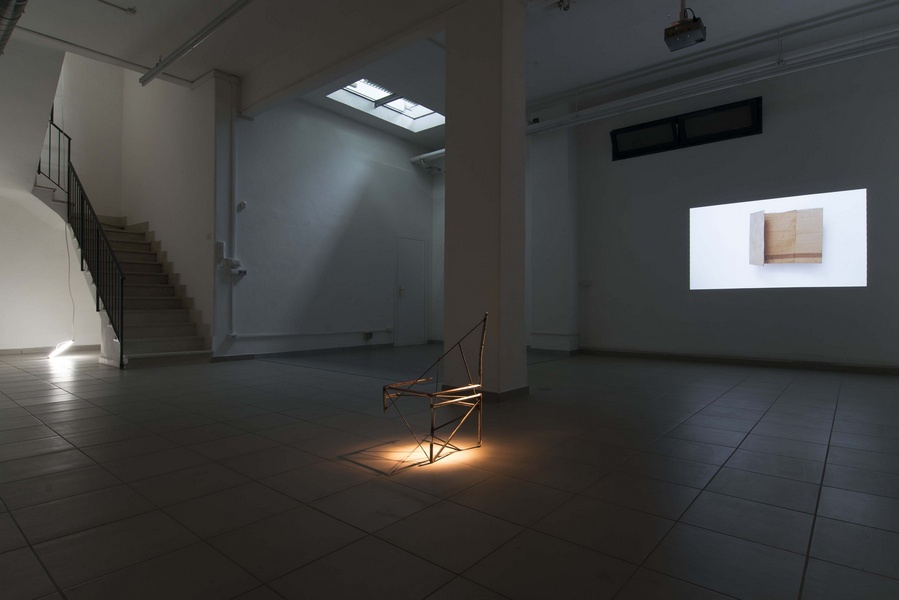
Alongside the sculptures, Neufeldt arranges a series of black and white photographic images originated from the transformation of objects (chairs) and from their use as conductors of energy. The artist, in this case as well, starts from the sculptures through which electricity flows, electricity that goes to the projector in order to throw the image on the wall. After having photographed the sculptures, these are given back to their original shape and function as chairs. At this point the photo captures the sculptures to which the artist assigns an ephemeral destiny, although renewed by using seats and seatbacks created with insulating material. The outcome is a hybrid artwork, since each picture contributes to compose along with the chair a complete work that involves and includes in itself sculpture, photography and video. A practice that highlights the importance of the art-making process to the artist in order to underline the element that characterizes its genesis: thought.

The Gallery Apart è orgogliosa di presentare STRAY CURRENTS, la terza personale in galleria di Florian Neufeldt, artista tedesco di stanza a Berlino. Neufeldt prosegue la sua ricerca intorno ai rapporti tra architetture, oggetti e materia, un percorso che si fonda sulla concezione dello spazio soprattutto in termini di spazio mentale. Le opere di Neufeldt, infatti, sono la risultante di un processo di decostruzione e ricostruzione che avviene anzitutto a livello di pensiero, a partire dalle suggestioni fornite all’artista dalle potenzialità che egli intravede nell’immaginare le trasformazioni a cui sottopone gli oggetti utilizzati come basi di partenza per le sculture.

Gli oggetti di scarto che compongono l’immaginario di riferimento dell’artista non sono raccolti, selezionati e utilizzati come oggetti trovati, bensì come materia suscettibile di trasformazione. A Neufeldt interessa l’identità dell’oggetto prescelto e quella della forma nuova che egli dona all’oggetto stesso, identità che sono unite da una linea differenziale che salva il ricordo dell’oggetto di partenza e nel contempo crea una nuova forma dotata di una forte valenza di astrazione. Sono due metà di una unità che trova completamento nella percezione prima visuale e poi mentale. Il che crea un circolo virtuoso: l’opera nasce nella mente dell’artista, transita per la trasformazione della materia, viene catturata dallo sguardo dello spettatore per concludere il suo viaggio nella mente di quest’ultimo.
STRAY CURRENTS
 concerne appunto il modo in cui vengono percepiti gli oggetti d’uso comune, con particolare riferimento alla relazione che essi intrecciano con l’energia, sotto forma di energia elettrica, nel momento in cui vengono trattati e modificati in modo da divenire dispositivi conduttori attraverso cui far correre un flusso di elettricità che in parte si disperde nell’ambiente esterno. Le opere esposte sono direttamente collegate all’impianto elettrico della galleria, cosicché l’attivazione o la disattivazione della corrente elettrica influisce direttamente sulla loro essenza di oggetti inerti ovvero conduttori. L’opera viene dunque attivata in questa funzione di conduzione di energia, in senso simbolico ma anche in senso materiale.
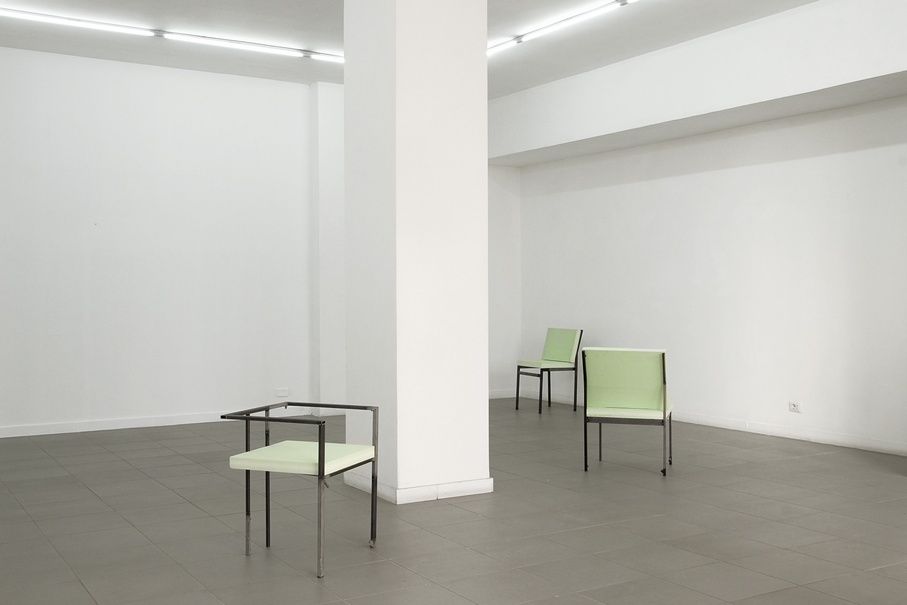
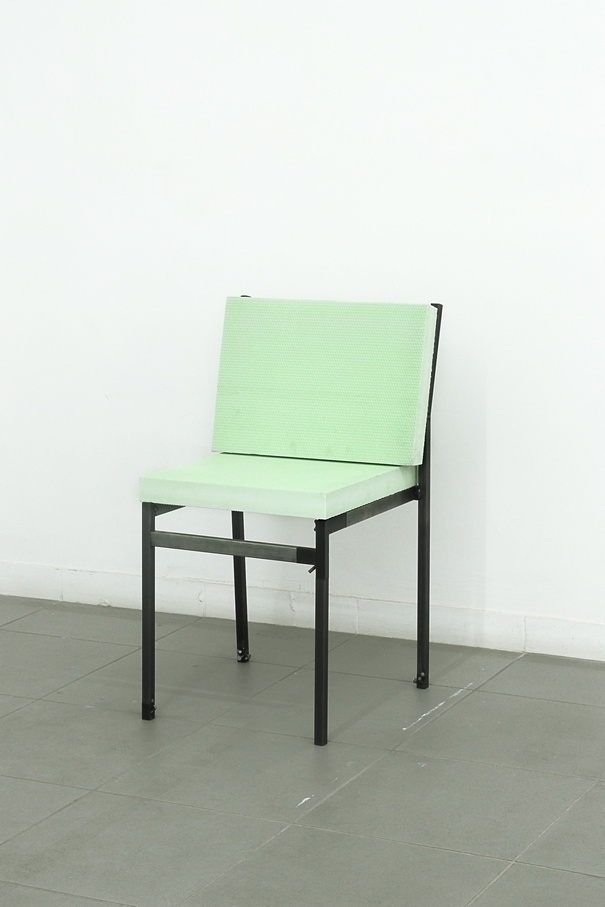
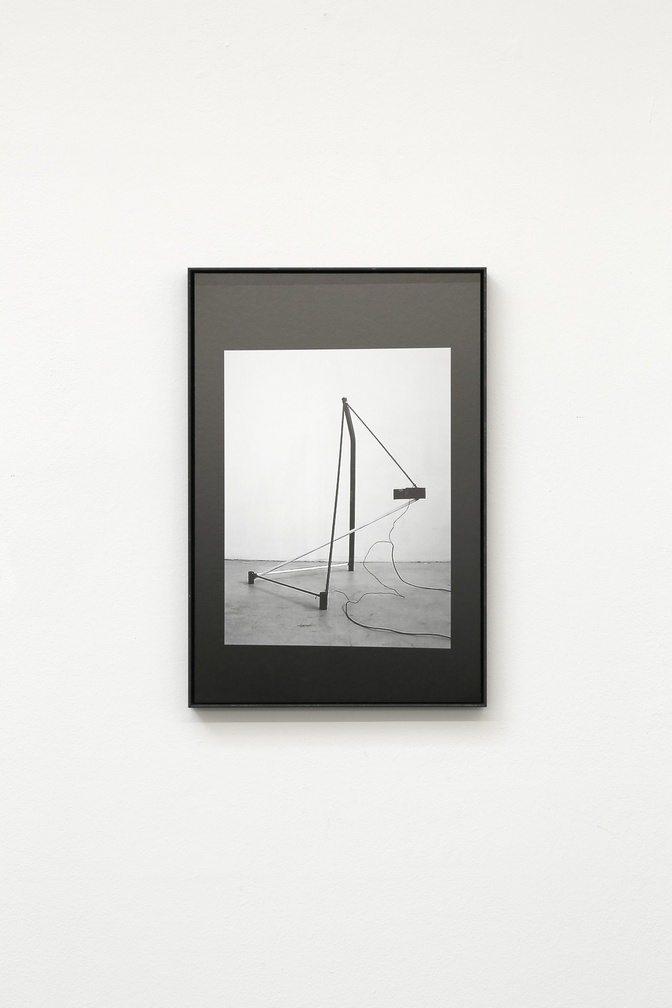
Alle sculture Neufeldt affianca una serie fotografica in bianco e nero che trae origine sempre dalla trasformazione di oggetti (sedie) e dal loro utilizzo come conduttori di energia. L’artista parte anche in questo caso da sculture attraverso le quali viene fatta transitare l’energia elettrica che alimenta il proiettore che rimanda l’immagine sul muro. Dopo averle fotografate, le sculture vengono riportate alla loro forma e funzione originaria di sedie, seppure rinnovate con il ricorso a sedute e schienali realizzati con materiale isolante. Ne derivano opere ibride, giacché ogni fotografia contribuisce a comporre con la sedia di riferimento un’unica opera che coinvolge e racchiude in sé scultura, fotografia e video. Un incedere che sottolinea quanto importante sia per l’artista l’aspetto processuale della formazione dell’opera al fine di evidenziarne l’elemento che ne caratterizza la genesi: il pensiero.

SOLILOQUI

Florian Neufeldt

22.03.2014 – 17.05.2014

Exhibition Views

The Gallery Apart is proud to present the second solo show by Florian Neufeldt, a German artist based in Berlin.

Florian Neufeldt chooses sculpture as his medium, raising the bar of the Postmodernist lesson that knocked sculpture off its pedestal expanding the genre as an element that defines and shapes the exhibition space. Neufeldt treats in fact the object and the space as complementary, though distinct, factors. The objects and the space are never mere materials to be used, but they are also matter to be transformed into something new.

Neufeldt uses scrap or collected objects in the same sites where he produces his art installations. He oftentimes adds other materials, but his intervention is above all aimed to reconfigure, dissect and fragment the original object without discarding it but preserving its inner soul as well as the memory of its original function. Hence, each object tells its own story, its metamorphosis. Likewise the exhibition space is provided by the artist with equal dignity and, most of all, with a status of autonomy. It is a comparison of soliloquies between objects and spaces and, obviously, also a way the artists talks to and with himself.

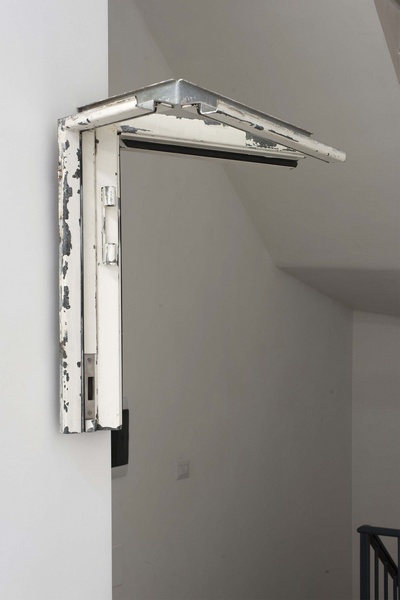
The art work installed in the gallery’s entrance hall is exemplary. Using the frames and panes of the windows facing the street, the artist creates a sort of small shelter in which he places a heater also taken off the wall while preserving its function. The installation is set on the rooflight that visually connects the gallery’s first floor with the basement. The transformation of the window frames – therefore – involves not only the sculpture resulting from such a process of metamorphosis, it also shapes the exhibition space that, left at the mercy of inclement weather and of other atmospheric conditions due to the absence of windows, from the gallery’s inner space is actually transformed into an open-air space.

As a complement to such intervention, Neufeldt also presents a series of small-scale sculptures arranged in the gallery’s wide halls in order to establish a conceptual, as well as visual, relationship and influence based on the evident dimensional contrast.

The Gallery Apart è orgogliosa di presentare la seconda personale in galleria di Florian Neufeldt, artista tedesco di stanza a Berlino.

Florian Neufeldt elegge la pratica scultorea a proprio mezzo espressivo prediletto, spingendosi oltre la lezione postmodernista che ha tolto la scultura dal piedistallo per proporla come uno degli elementi che determinano uno spazio. Neufeldt infatti tratta l’oggetto e lo spazio come fattori complementari ma distinti. Gli oggetti e lo spazio non sono mai soltanto materiale da utilizzare, sono materia che si trasforma in qualcosa d’altro.

Neufeldt utilizza oggetti di scarto o tratti dagli stessi luoghi in cui realizza le sue installazioni. Spesso aggiunge altro materiale, ma il suo intervento è soprattutto volto a rielaborare, sezionare, frammentare e cambiare l’oggetto di partenza senza volersene completamente liberare, mantenendone l’anima oltre che il ricordo della funzione originaria. Ciascun oggetto dunque narra la sua storia, la sua metamorfosi, e lo stesso fa lo spazio a cui l’artista assegna pari dignità e soprattutto autonomia di presenza. È  un confronto di soliloqui fra cose e spazi e, naturalmente, anche il modo con cui l’artista parla a se stesso.

Esemplare è l’intervento che Neufeldt realizza nella parte d’ingresso della galleria. Utilizzando gli infissi e i vetri delle finestre che danno sulla strada, l’artista crea una sorta di piccolo rifugio stufa a disposizione degli spettatori, costruendo una gabbia trasparente all’interno della quale colloca un radiatore, anch’esso sradicato dal muro e di cui viene mantenuta la funzione. Il tutto posizionato sul lucernaio che stabilmente pone in contatto visivo il pian terreno della galleria con il piano interrato sottostante. Lo spostamento e la trasformazione degli infissi incide così non solo sull’oggetto scultura che deriva da tale processo di metamorfosi, ma anche sullo spazio che, restando alla mercé delle intemperie e del tempo atmosferico a causa dell’assenza delle finestre, di fatto si trasforma da spazio interno della galleria a spazio all’aperto.

A complemento di tale intervento, Neufeldt propone una serie di sculture di piccole dimensioni disposte nei grandi spazi della galleria in modo da creare un rapporto e un’influenza concettuali oltre che visivi fondati sull’evidente contrasto dimensionale.

MORE OR THE SAME

Florian Neufeldt

13.12.2010 – 12.02.2011

Exhibition Views

In his first solo exhibition in Italy, Florian Neufeldt presents works in Rome which reveal articulate modalities of relation with the exhibition space and at the same time highlight the issues at the heart of his work: helplessness, being stuck and facing dynamics which cannot be controlled. At The Gallery Apart, Neufeldt exhibits sculptures which are imposing and represent the most recent steps in his artistic path. Meanwhile at 26cc, he exhibits an audio-visual installation which captures “the words” of the world, highlighting their absurd ambiguity.
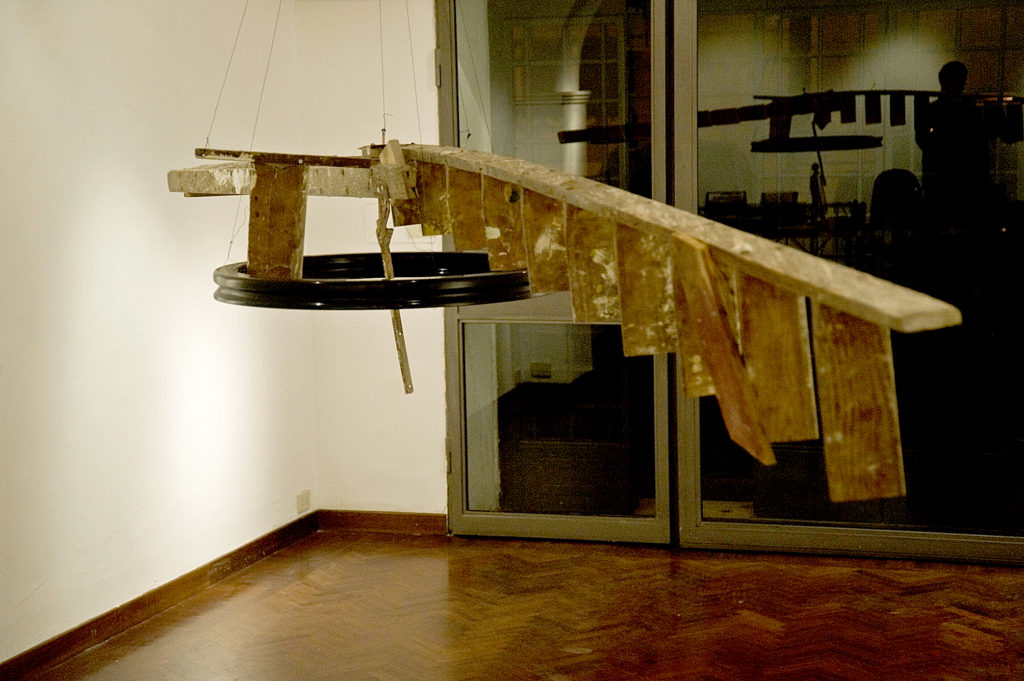
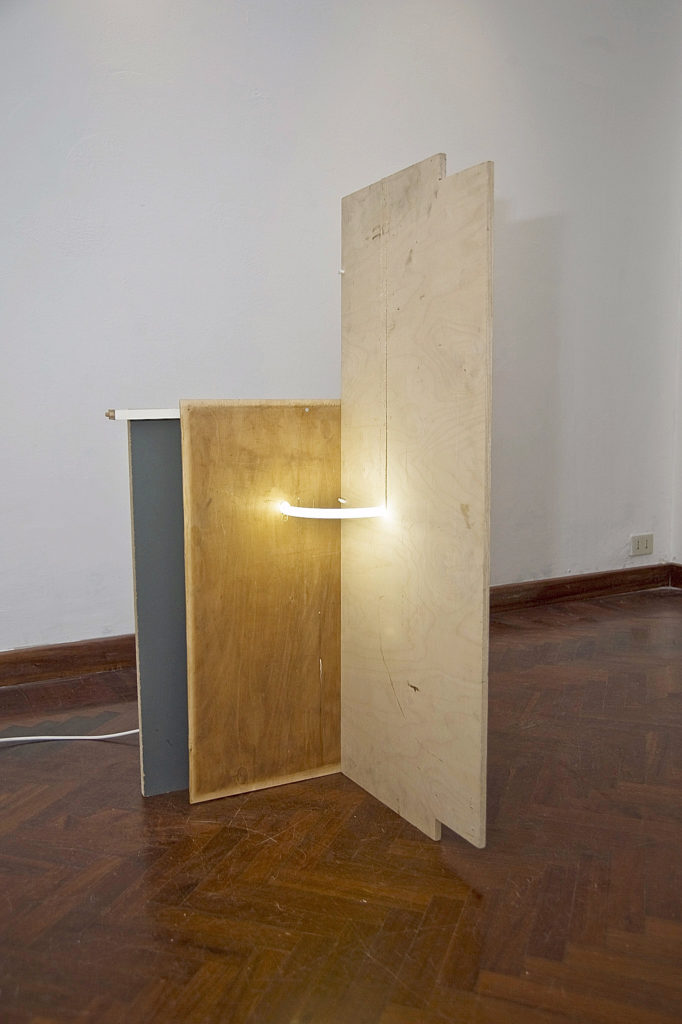
The sculptures that Neufeldt exhibits at The Gallery Apart express a singular attention towards what constitutes our daily lives. Furniture, chairs and household objects of various sorts are taken apart, reduced to fragments and then brought back to their material state, rebuilt in new ways and tied together with neon lights or pieces of guardrail. Whether evoked or real, movement emerges in the works, along with its exponential factor – velocity. The rebuilt shapes do not lose the identities of the original objects from which they are derived. The sculptures – some having an installative nature – are often made of non-abstract materials, things which used to be something else and which at one time were used. Somehow their original function is still there, inside the rebuilt objects. Even when only a small part is left of the original object, the reference to what it was is still clear. The cut-up ladder is still a ladder, even though now it might remind us of something else. A Shot in the Dark (2010) is the main piece in exhibit at The Gallery Apart; it is a ladder hanging horizontally from the ceiling. It has been cut lengthwise down the middle of the rungs. The two half ladders were then put together to form one line, the two ladder tops meeting in the middle. Underneath this center – autonomously suspended from the ceiling as well – hangs a circular black handrail. Some loose parts of the old painter’s ladder seem close to falling off, reaching down through the center of the black ring. By bisecting the ladder, it was doubled. The top is somehow not the top anymore, rather a junction of directions, a kind of overflow, a crossing without the characteristics of one. It seems like a point of no return, as if the only way out is falling. Therefore the circular handrail seems to form a benign (black) hole. It doesn’t lead anywhere.
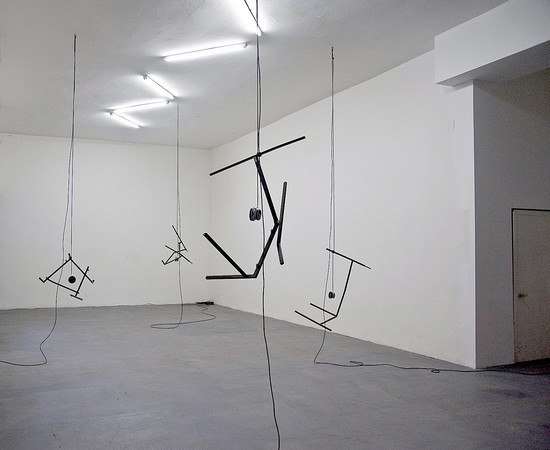
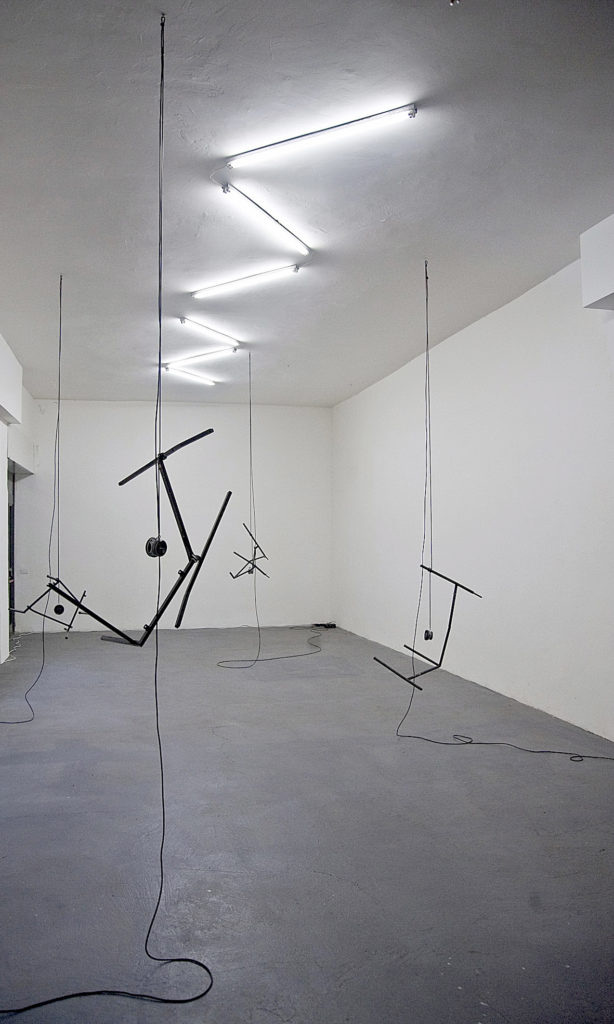
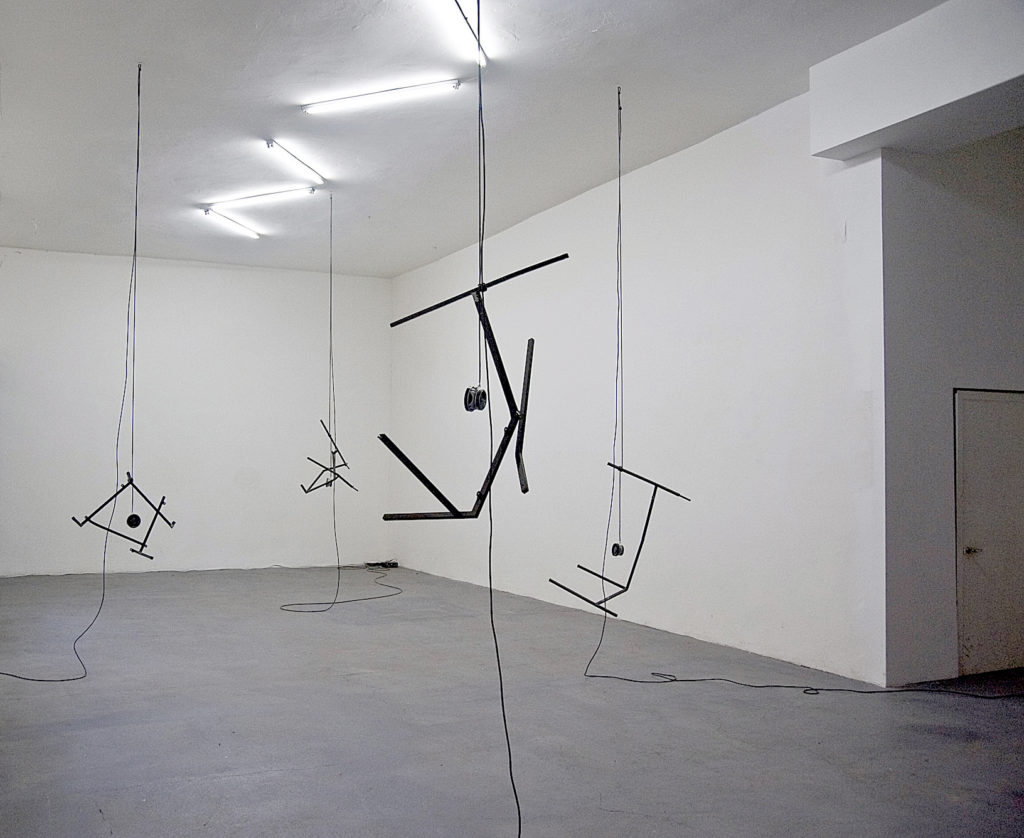
The exhibit at 26ccNothing succeeds like success, and nothing survives like survival, also speaks of ambivalent meanings. The skeletons of office chairs – manipulated in a way that alters the binomial aspect/function – compose an original aerial architecture which is host to the sound. The speakers diffuse the sound of a man’s voice which repeatedly recites a set of words which seem to have the same or a similar meaning. The voice does this in one breath as long as possible until unable to go on. Then it starts over again. The recited groups of words were gathered by taking German terms linked to survival in a competitive social environment, such as strengthendurance and power. These words were then translated into English and the different proposals for the original words – whether coming from a medical or technical background – form the set of terms being repeated. These mantras seem quite helpless, even ironic as the voice becomes strained as the air runs out, because they only last as long as a breath. Neufeldt purposefully chooses ambiguous words which have different meanings and senses, such so that they are often opposites, when “common” language is compared to that of, for example, the world of economy. In such a way, the artist highlights the strategies through which power reacts, using rules (language) in an exclusive way.