Federica Di Pietrantonio
27.09.2023 – 02.12.2023
Exhibition views
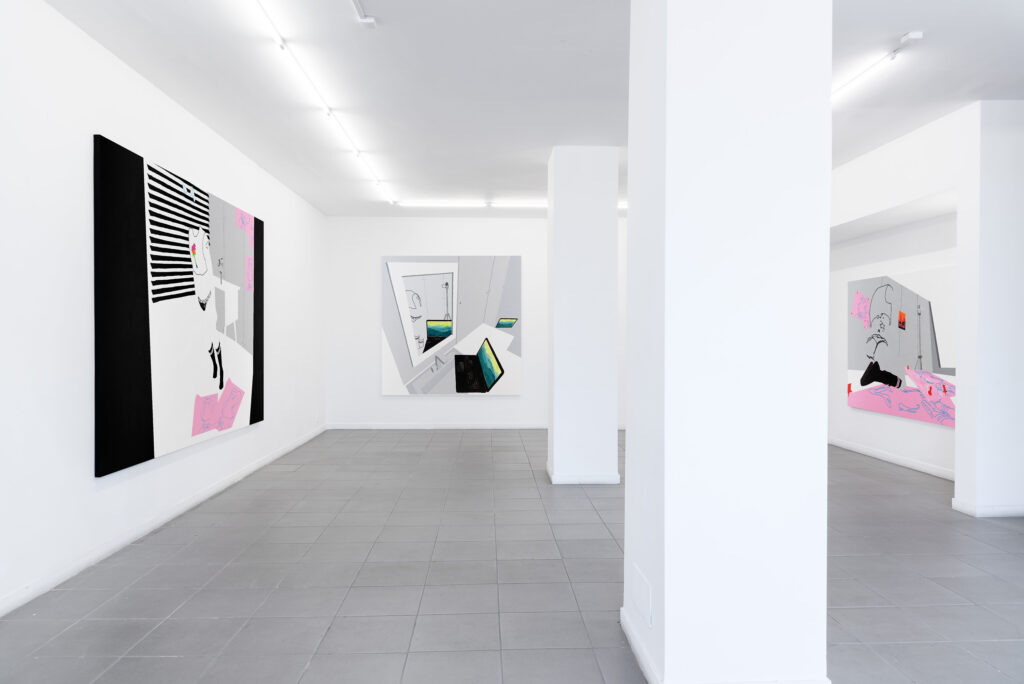
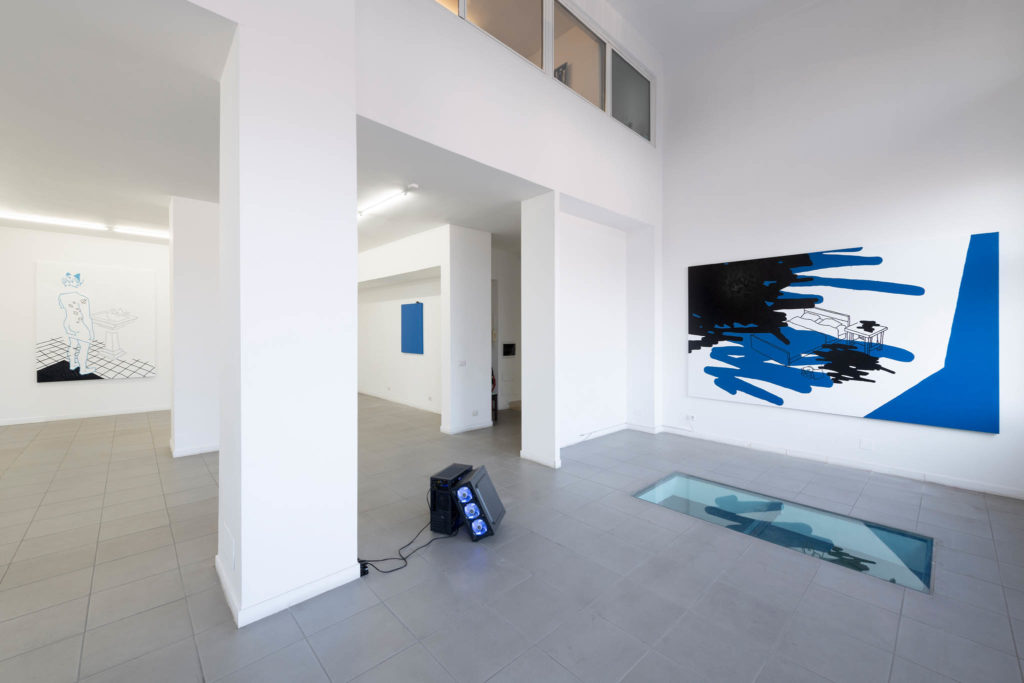
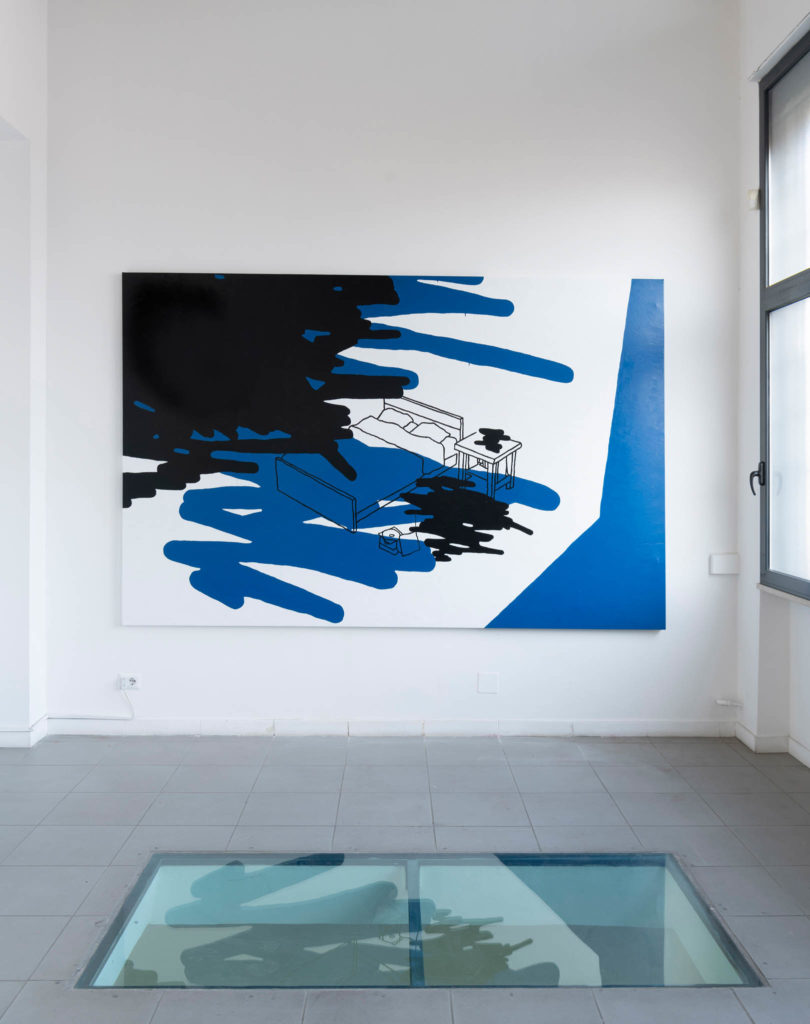
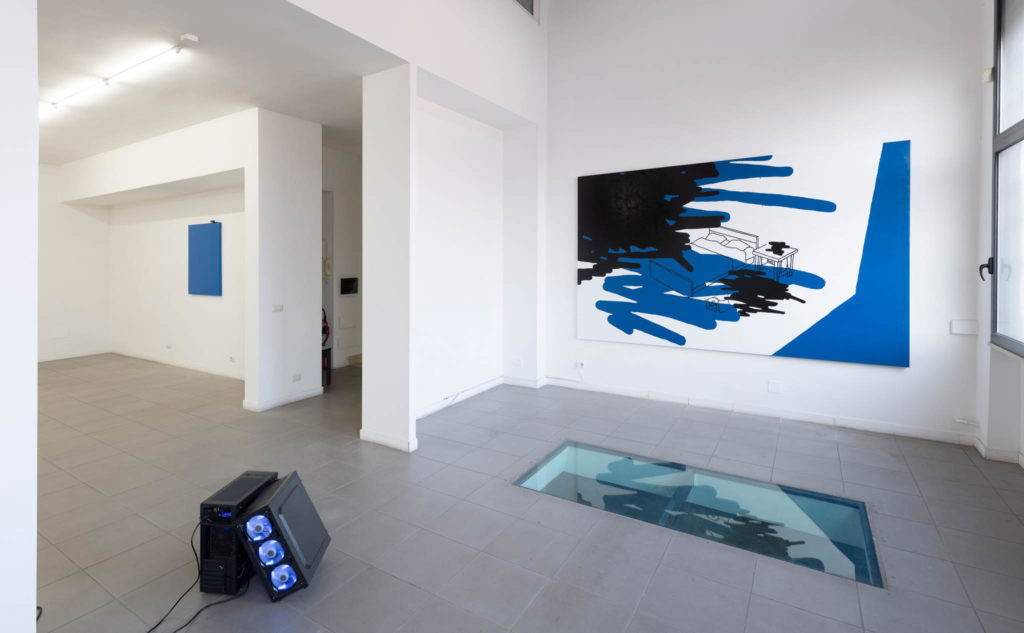
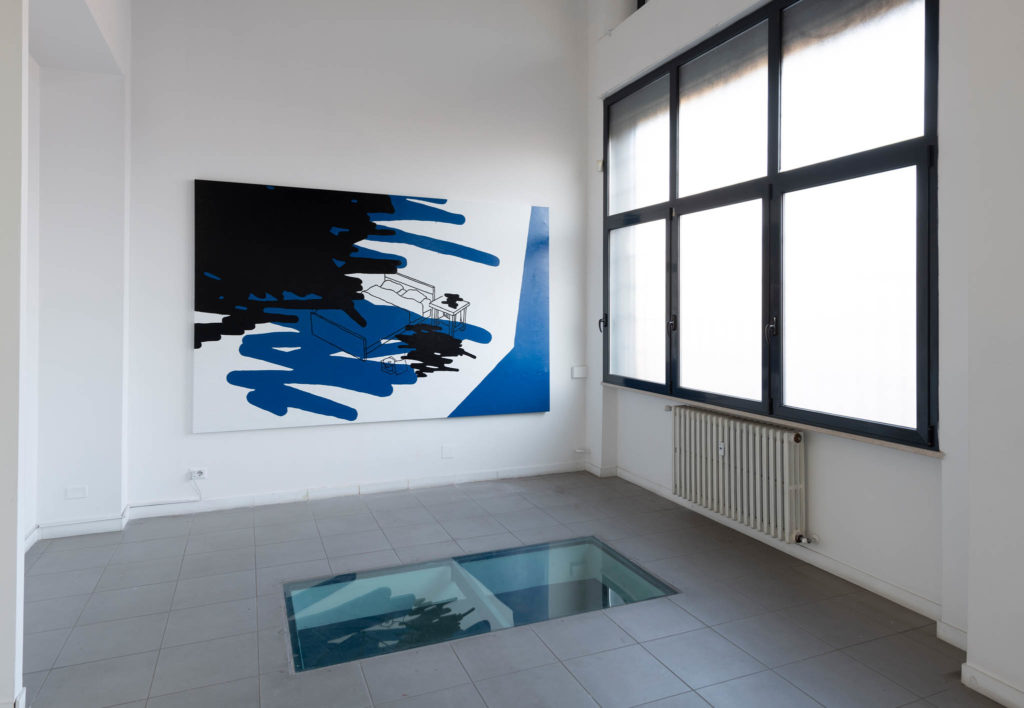
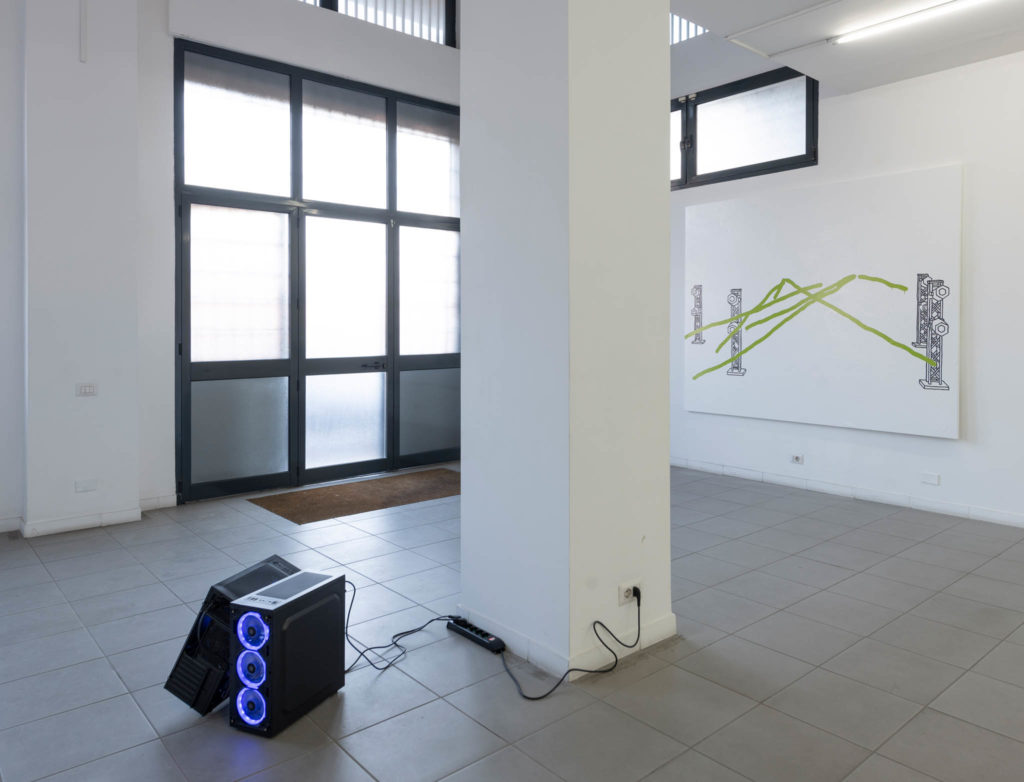
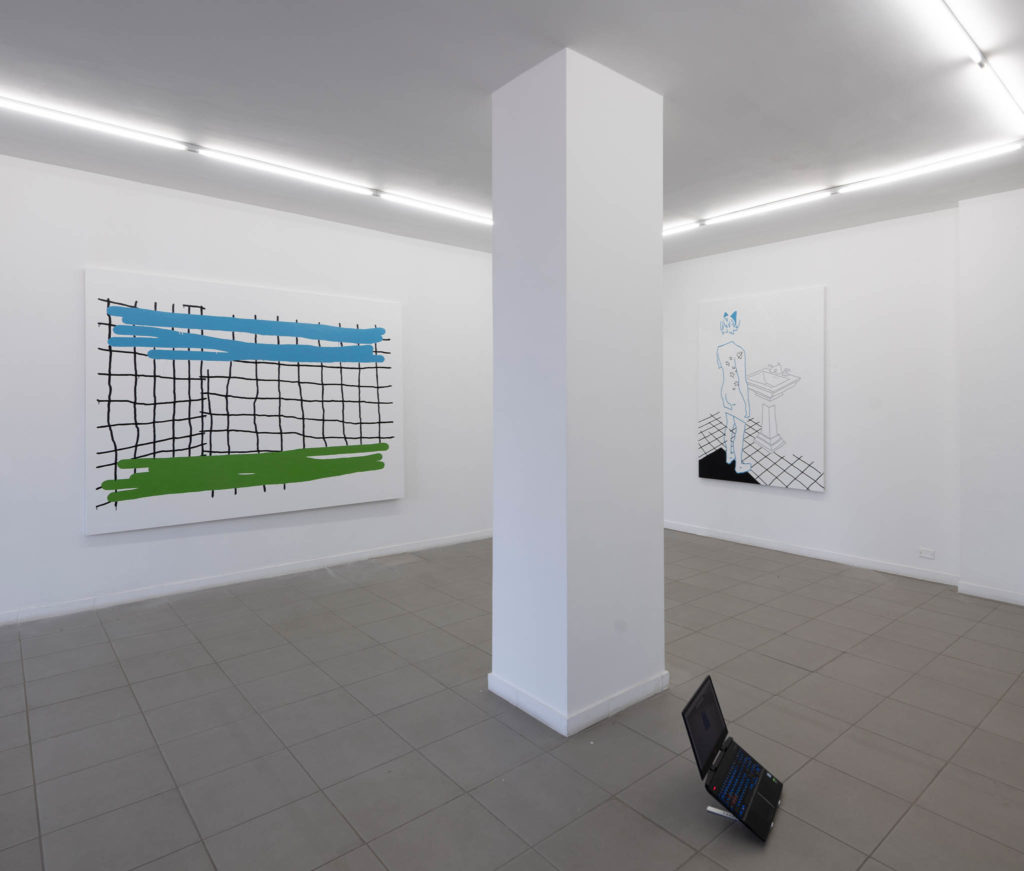
you lost me, 2023, installation view at The Gallery Apart Rome (ground floor), photo by Eleonora Cerri Pecorella 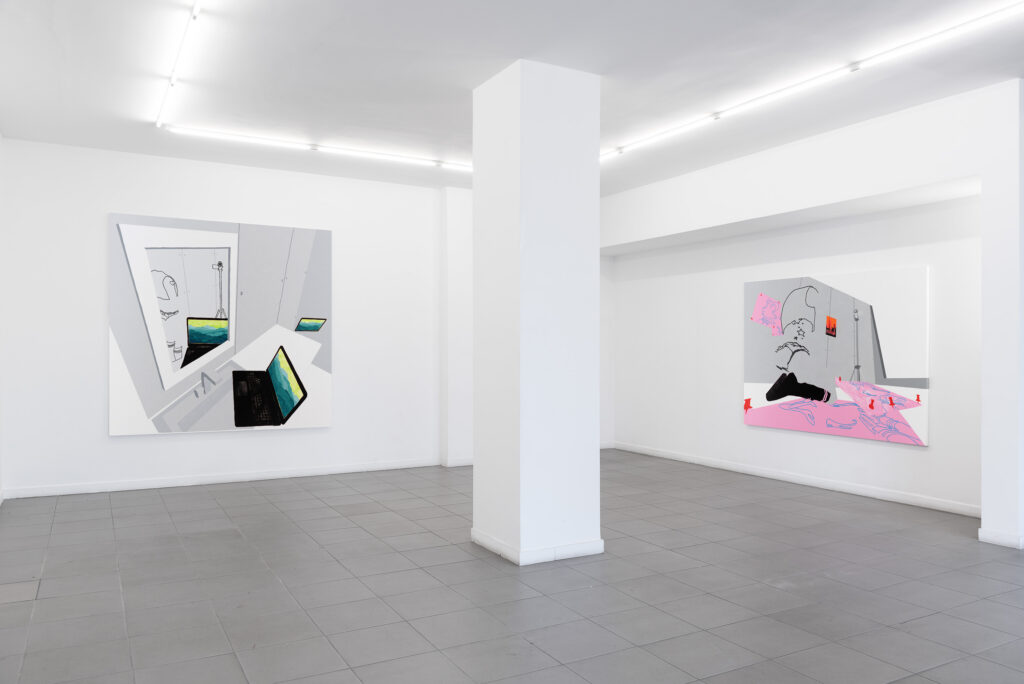
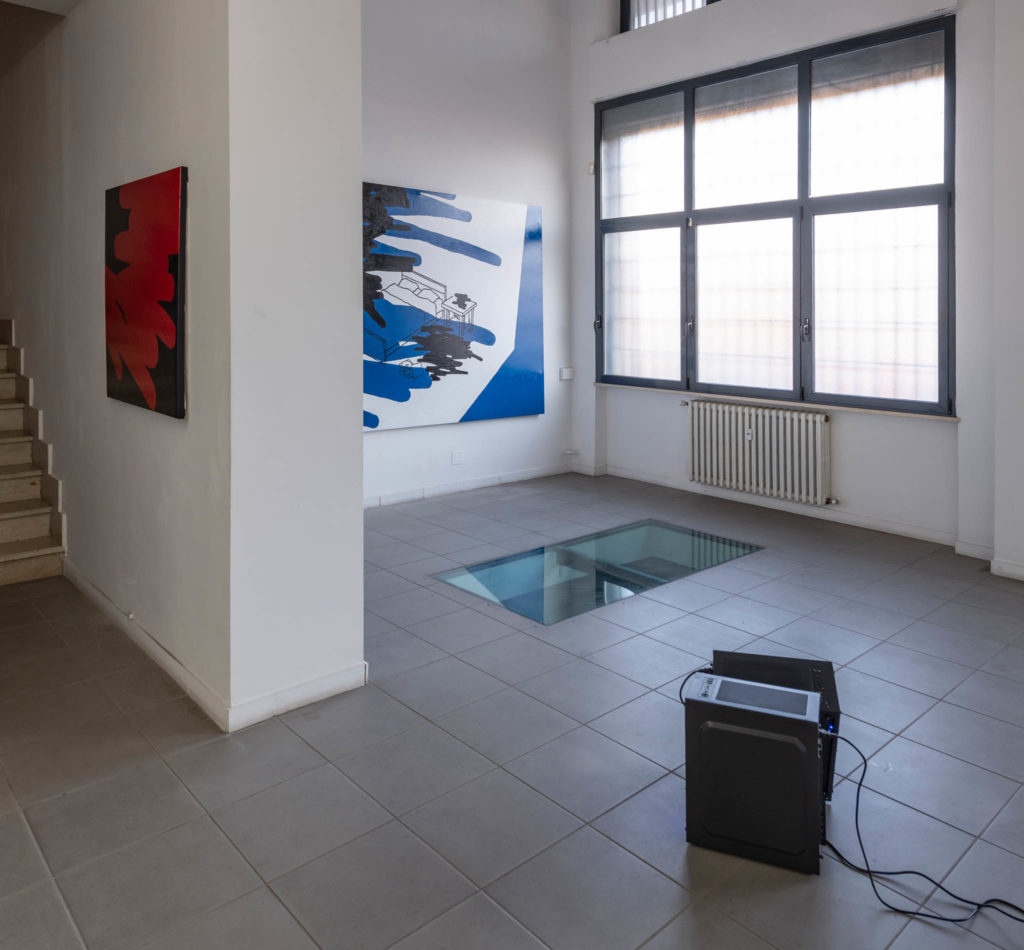
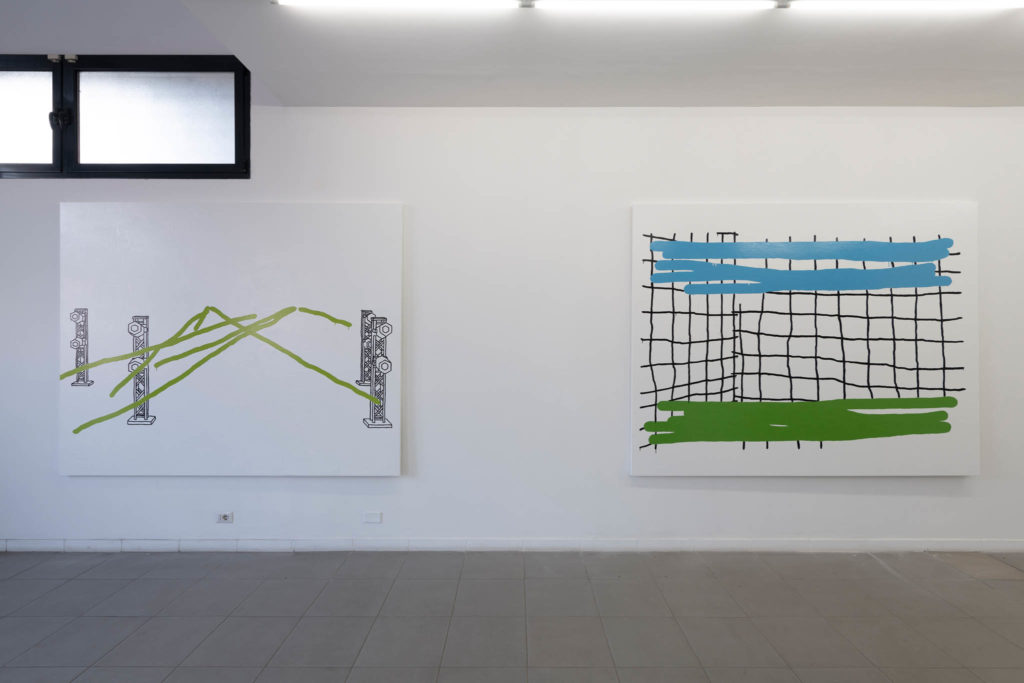
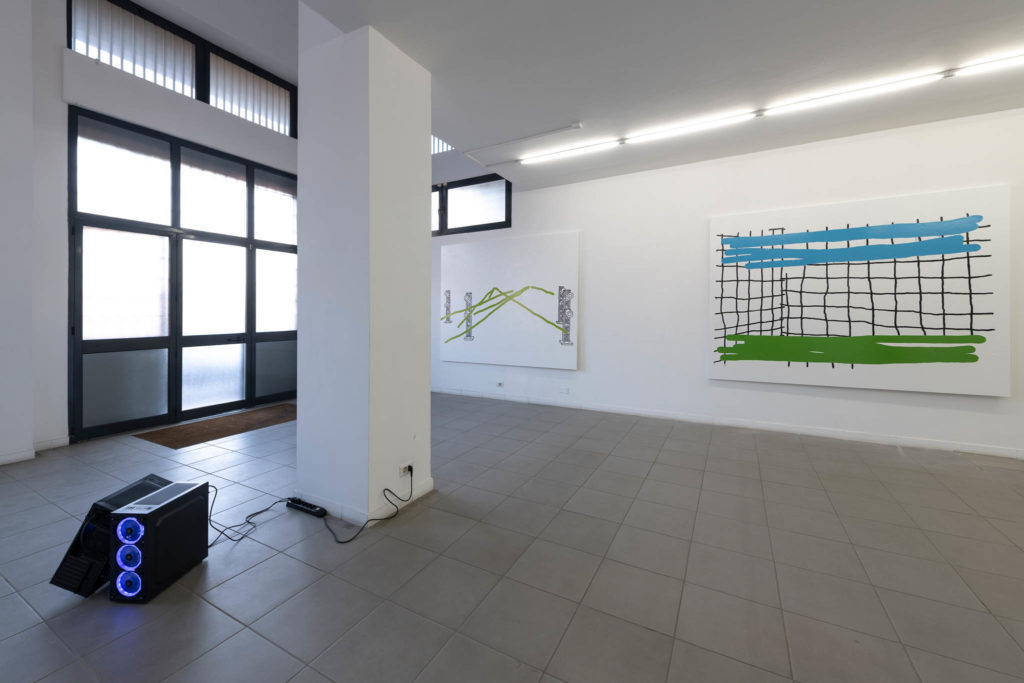
you lost me, 2023, installation view at The Gallery Apart Rome (ground floor), photo by Eleonora Cerri Pecorella 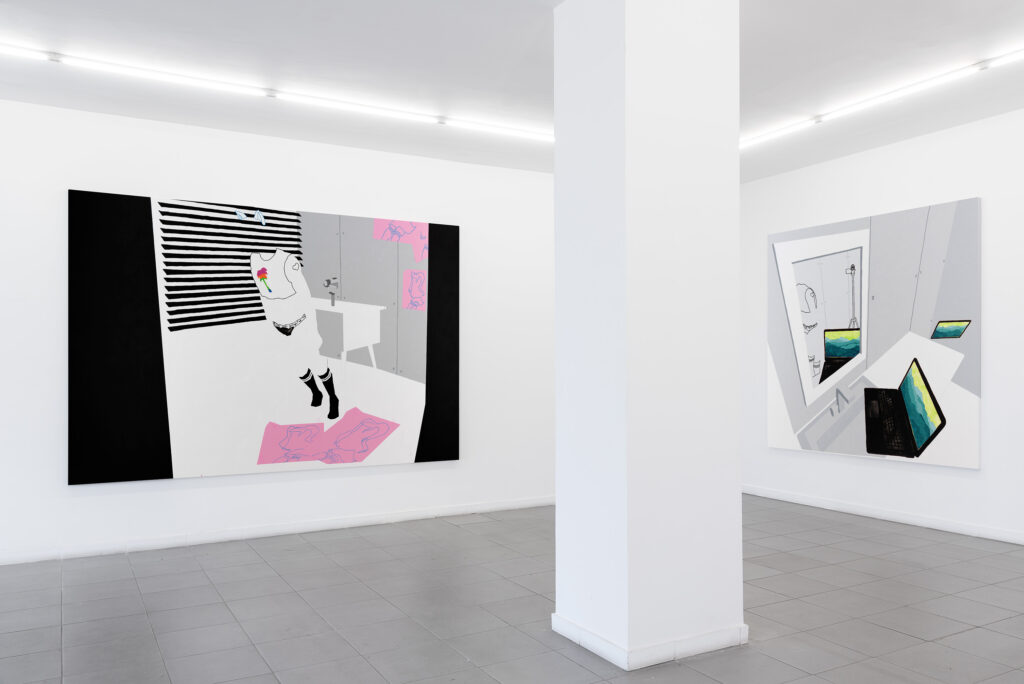
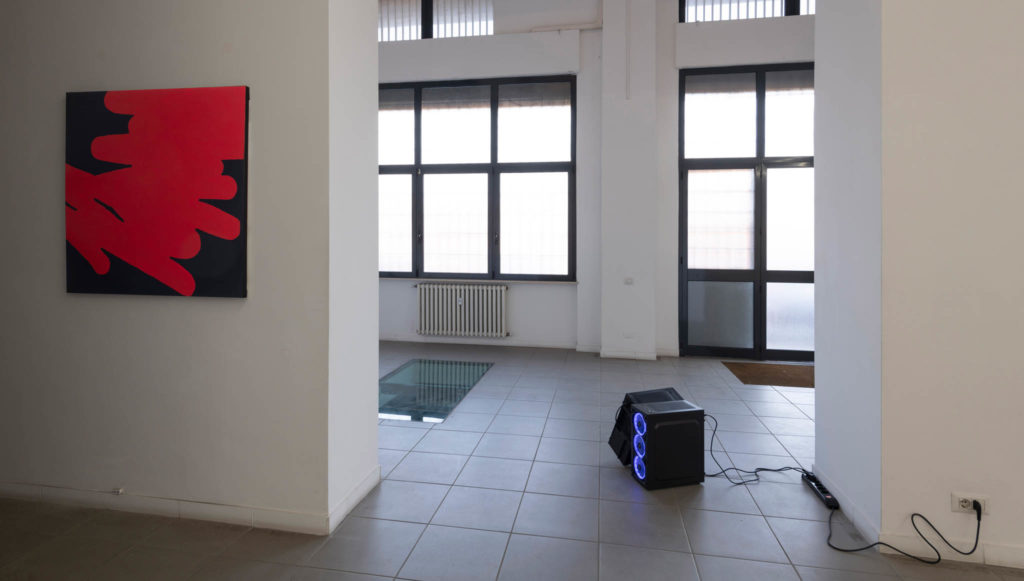
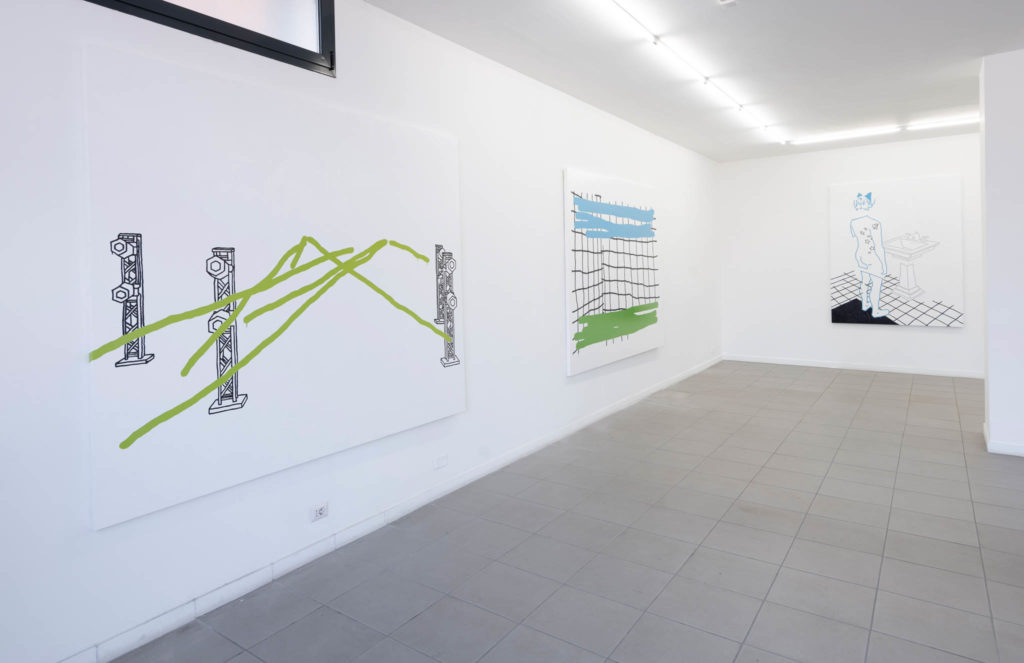
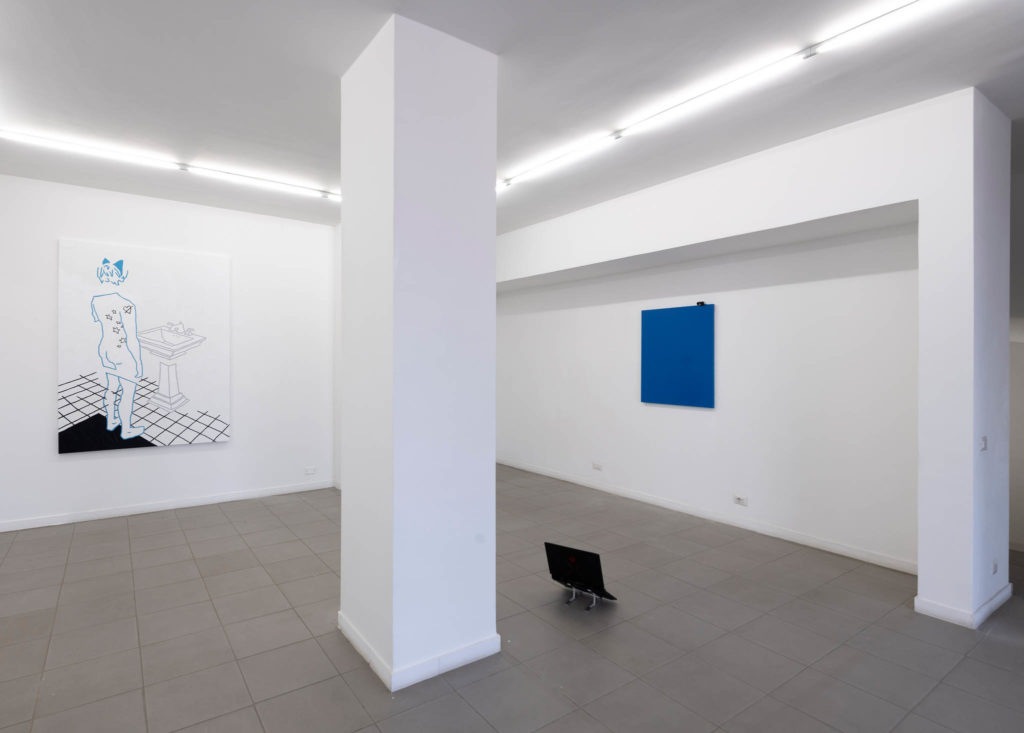
you lost me, 2023, installation view at The Gallery Apart Rome (ground floor), photo by Eleonora Cerri Pecorella 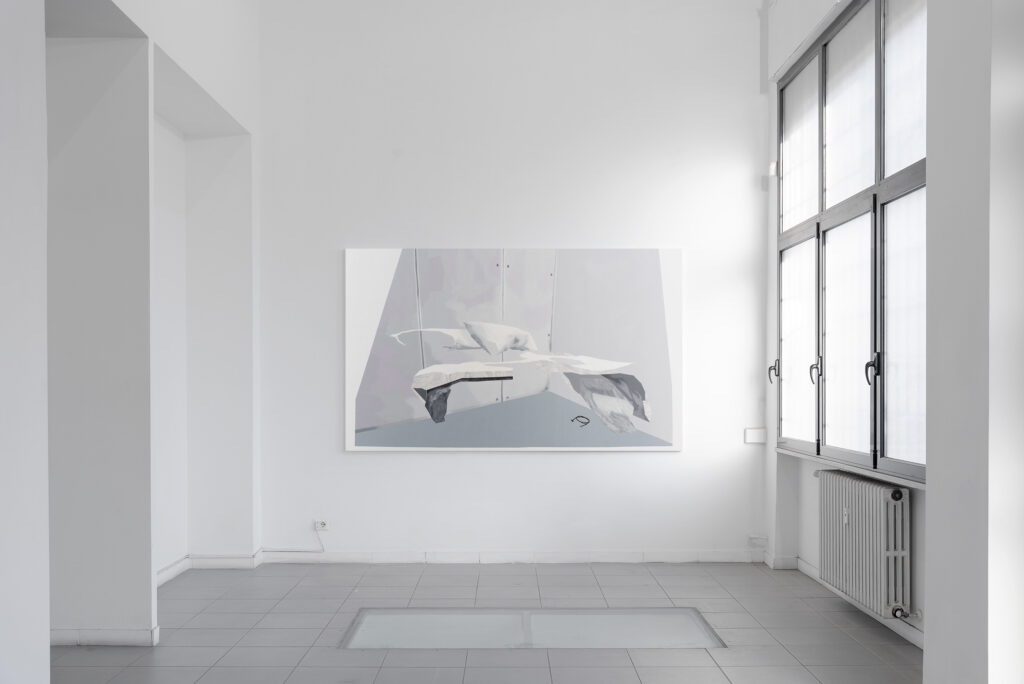
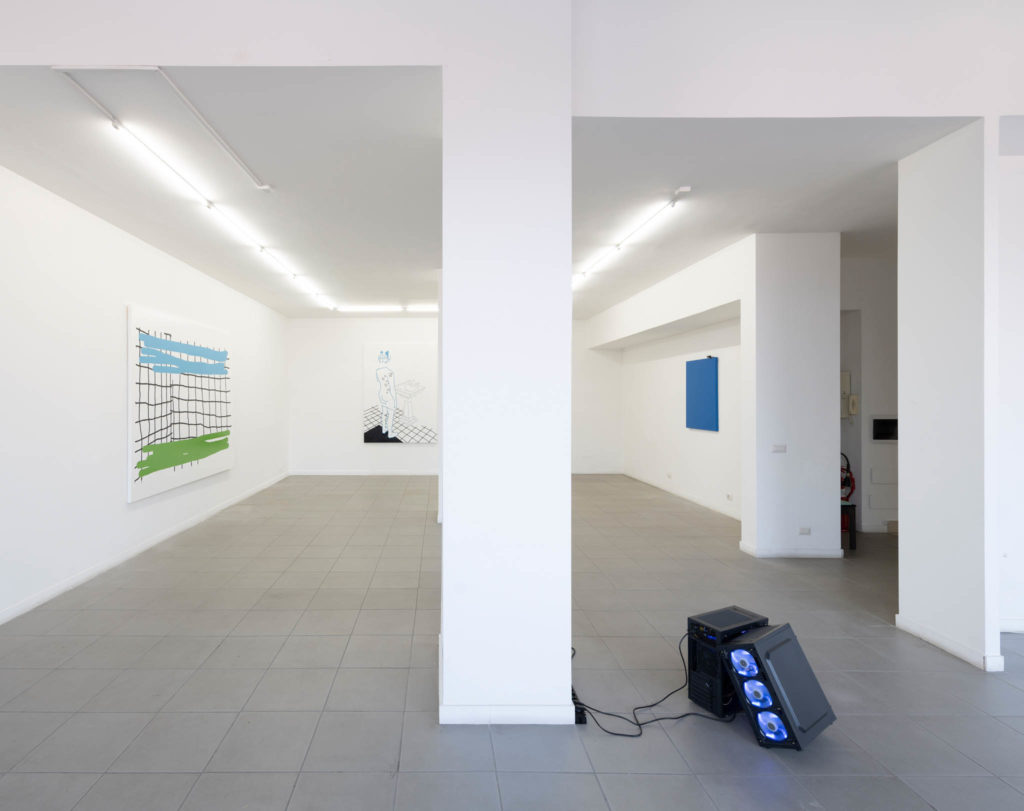
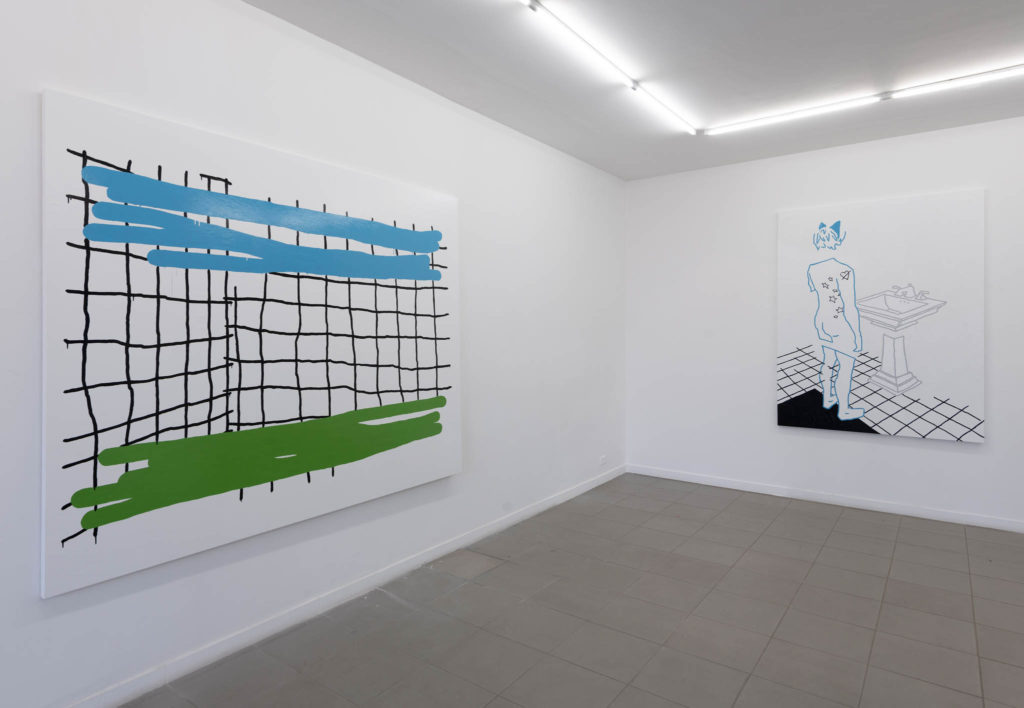
you lost me, 2023, installation view at The Gallery Apart Rome (ground floor), photo by Eleonora Cerri Pecorella 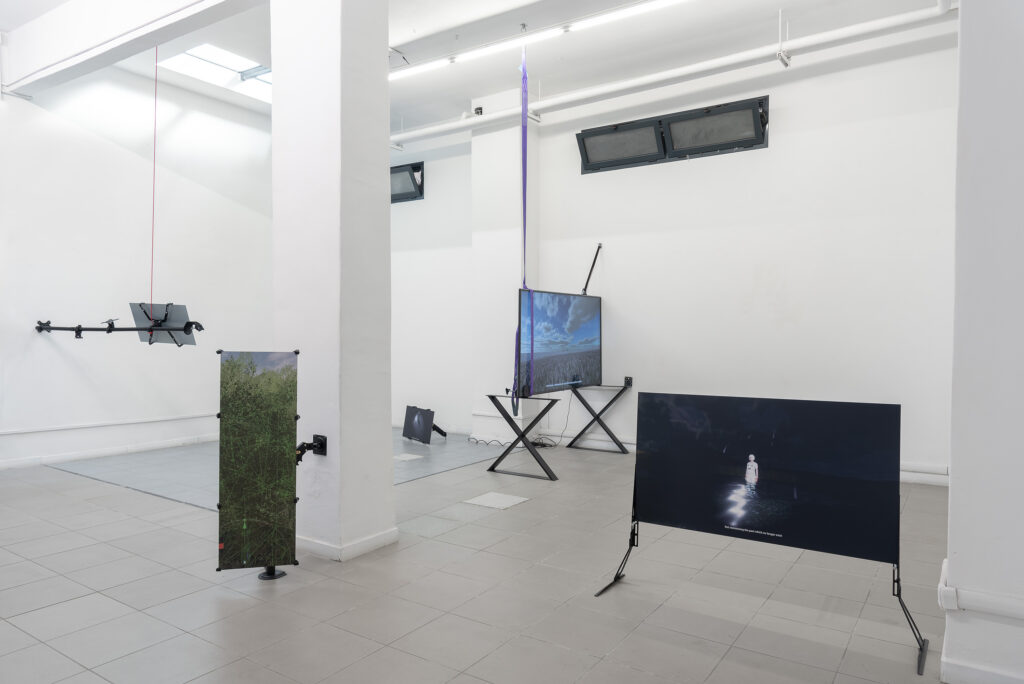
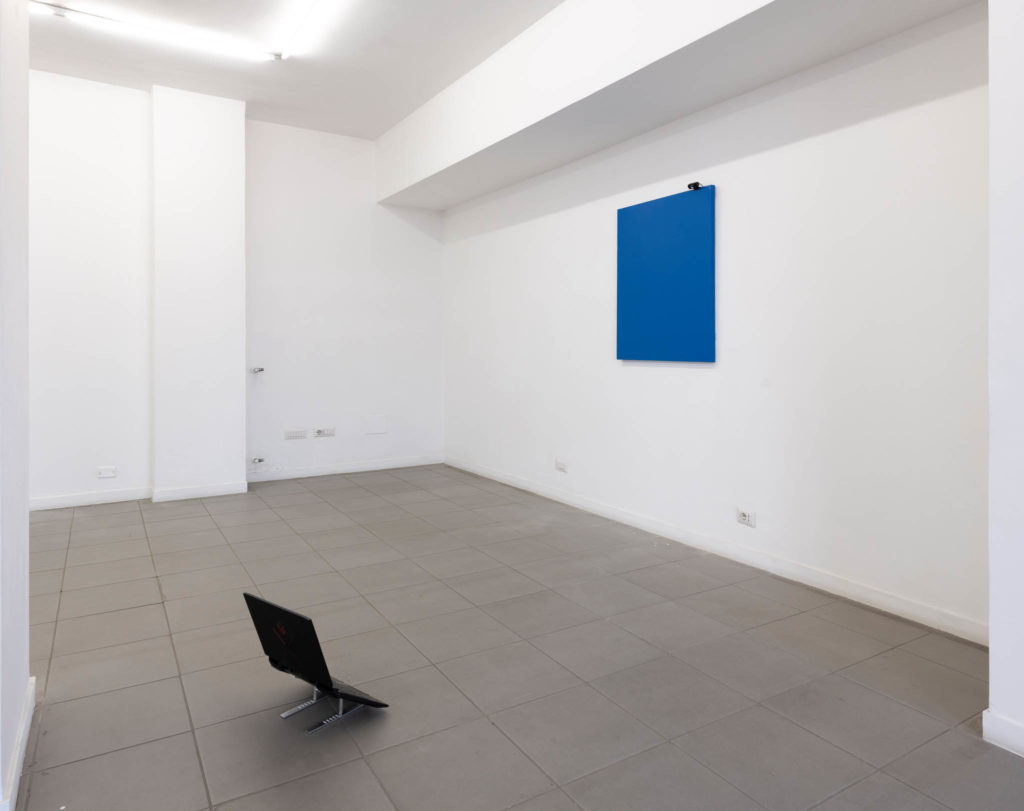
you lost me, 2023, installation view at The Gallery Apart Rome (basement), photo by Eleonora Cerri Pecorella 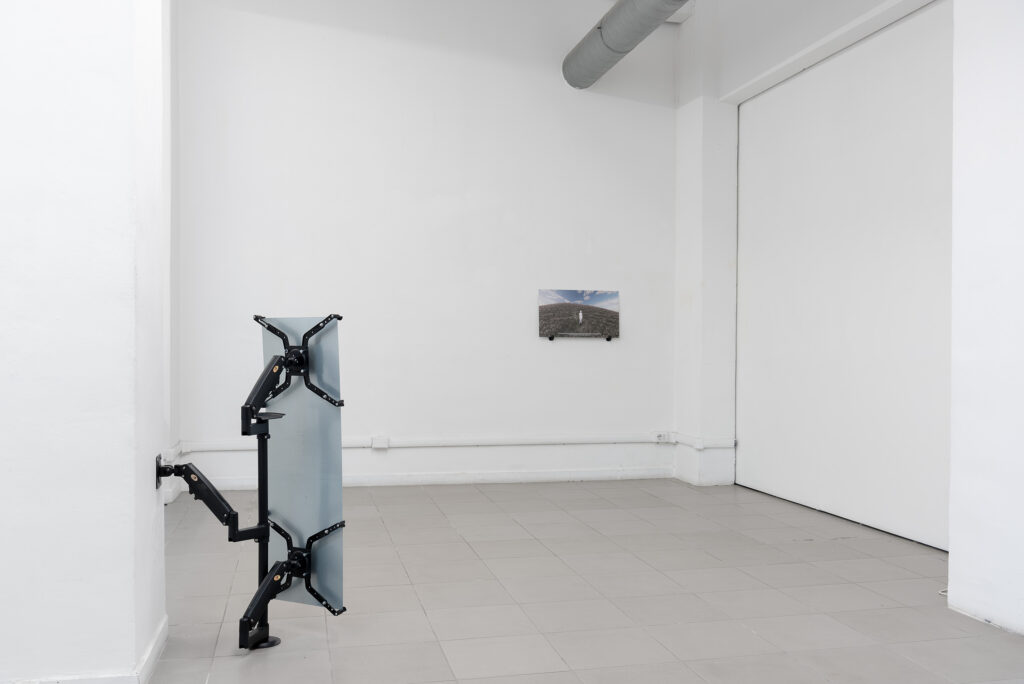
you lost me, 2023, installation view at The Gallery Apart Rome (basement), photo by Eleonora Cerri Pecorella 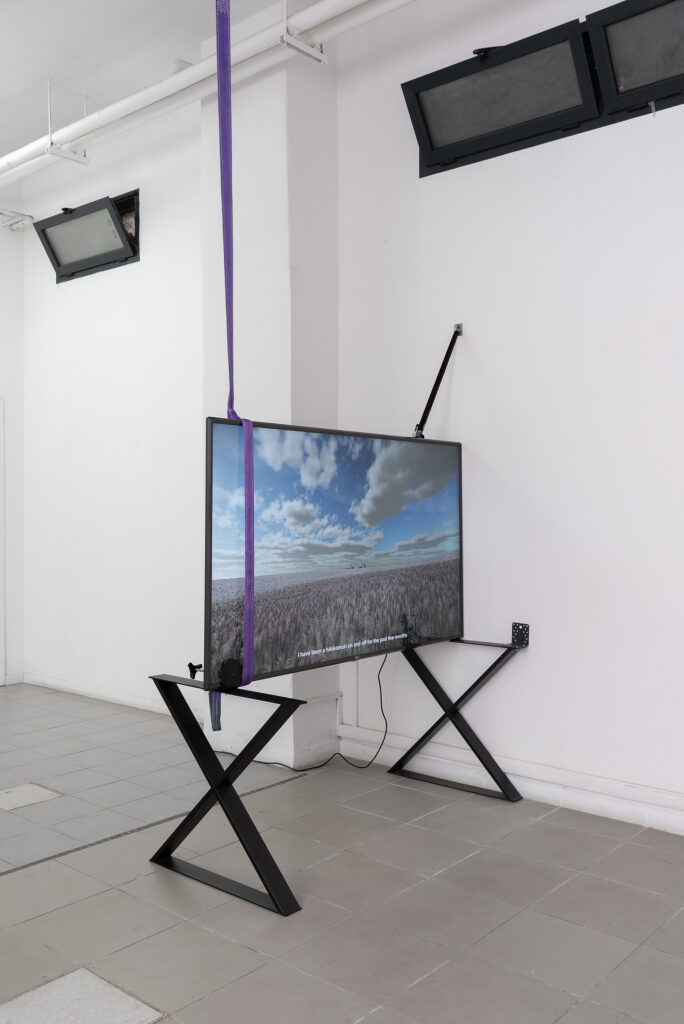
you lost me, 2023, installation view at The Gallery Apart Rome (basement), photo by Eleonora Cerri Pecorella
Works
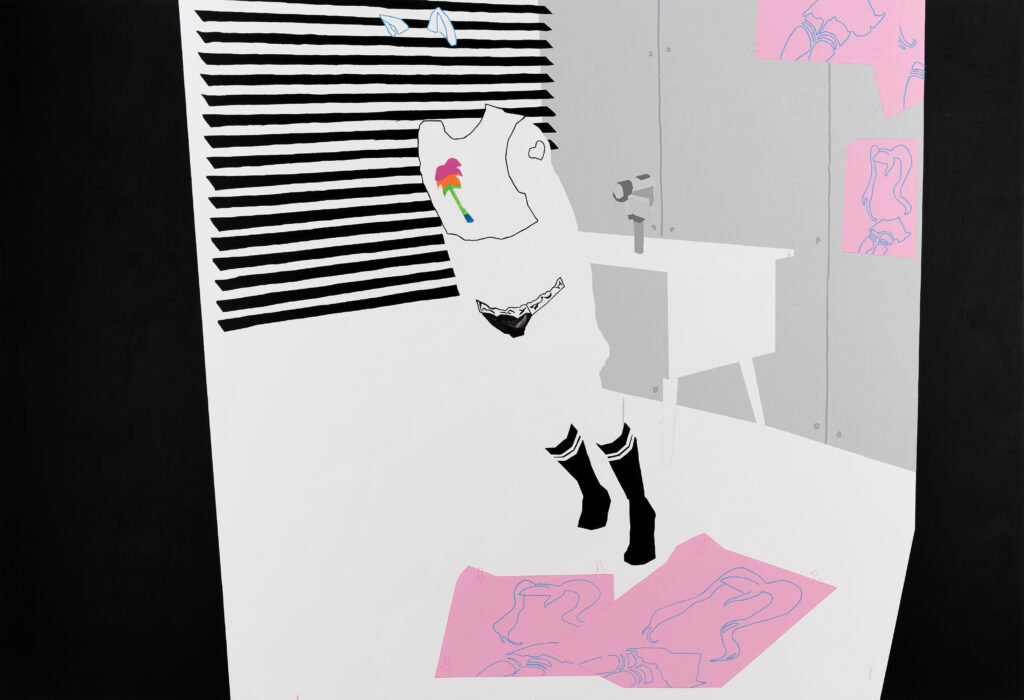
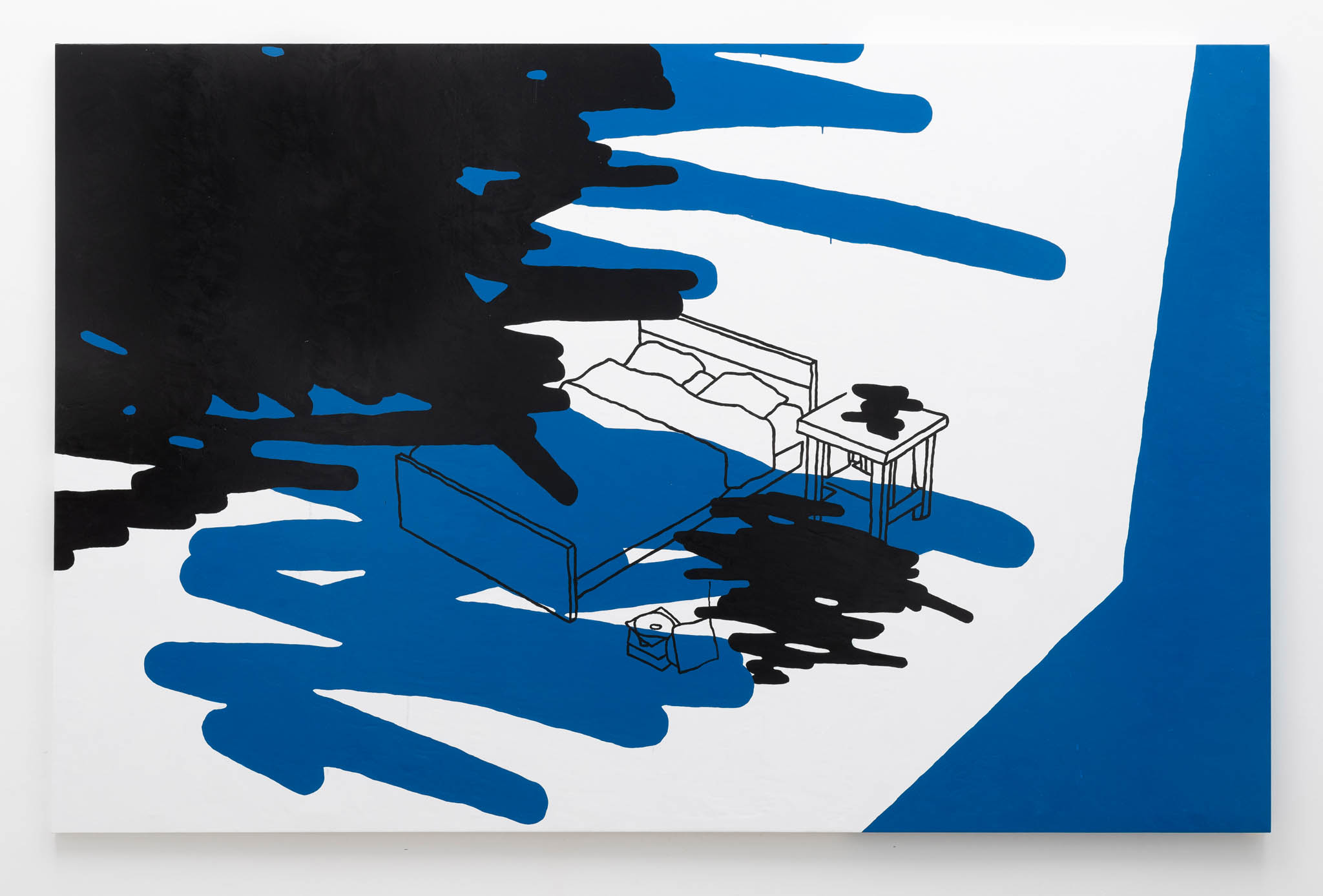
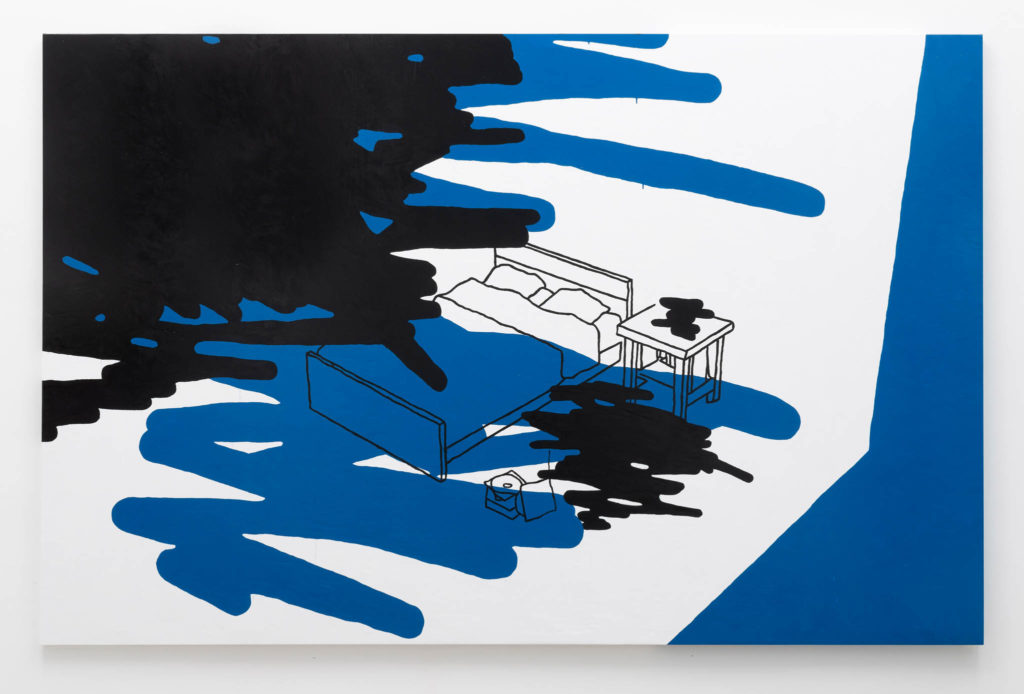
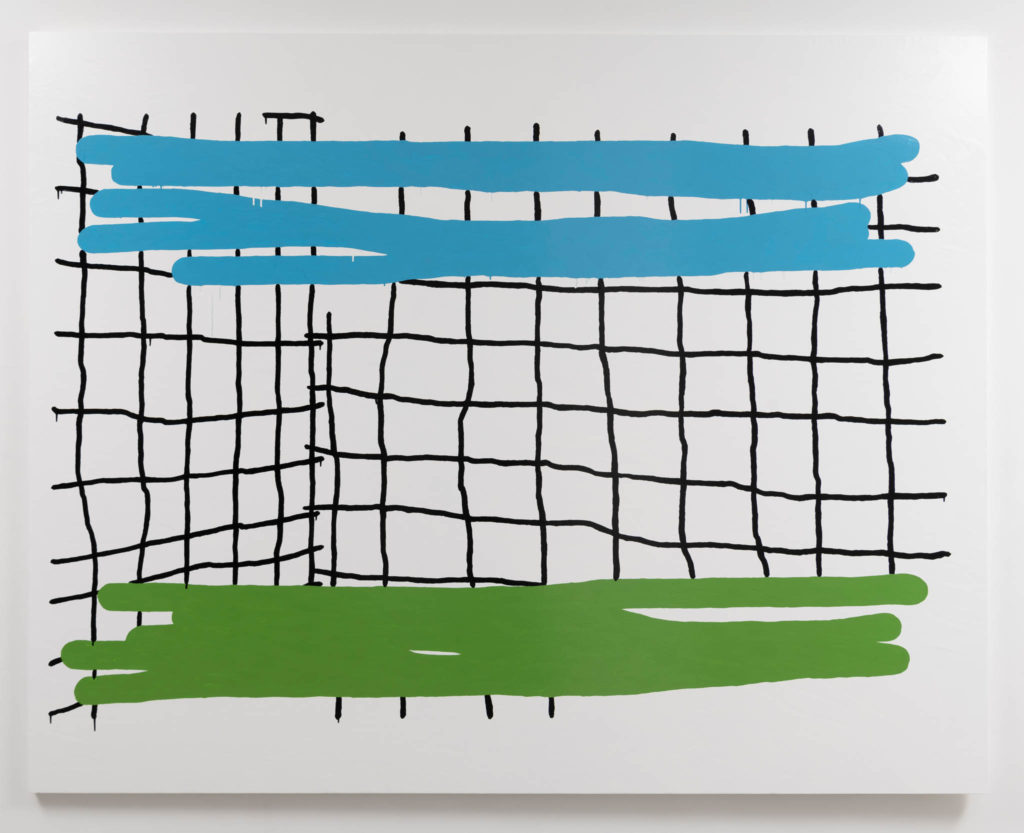
will my love be unrequired, 2023, enamel and oil on canvas, 200 x 300 cm, photo by Eleonora Cerri Pecorella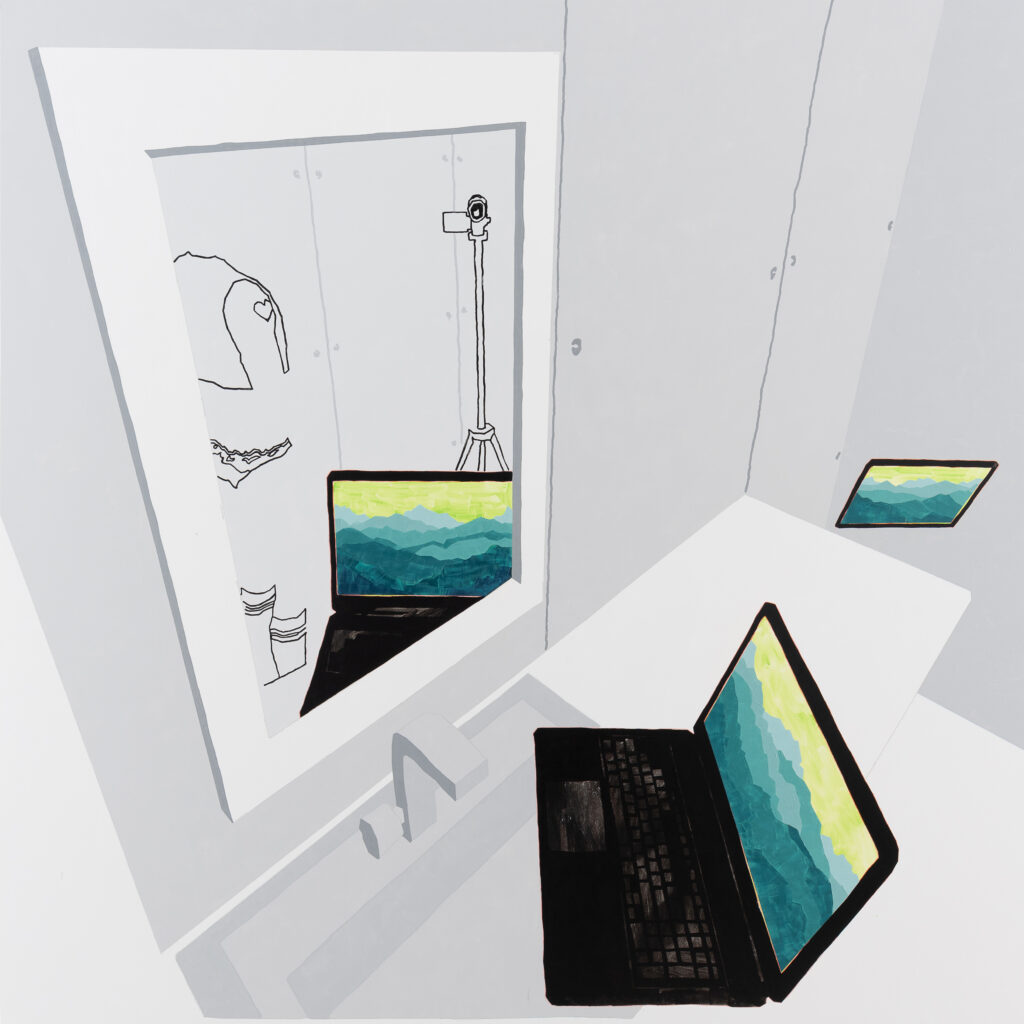
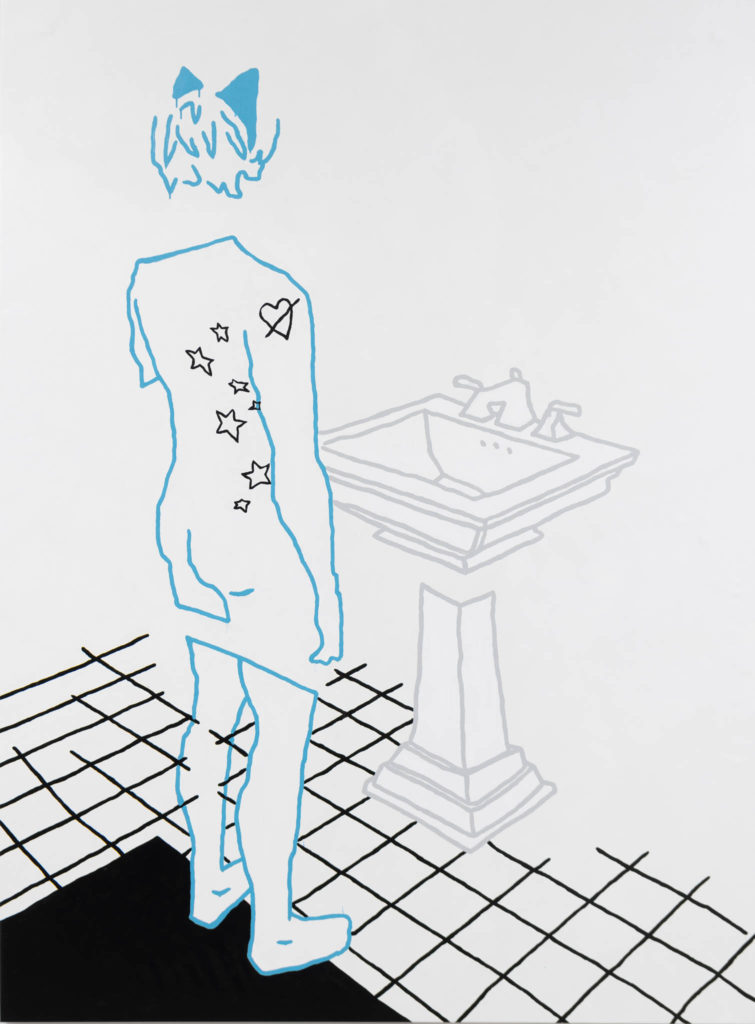
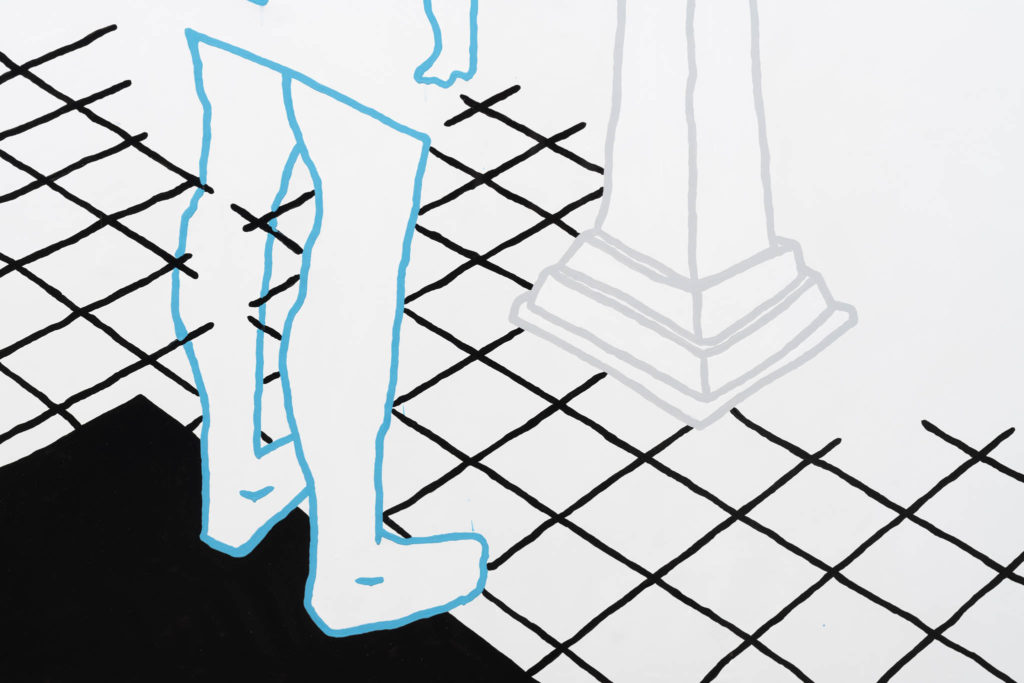
got me in the bathroom, got me in the mirror, 2023, enamel and oil on canvas, 200 x 200 cm, photo by Eleonora Cerri Pecorella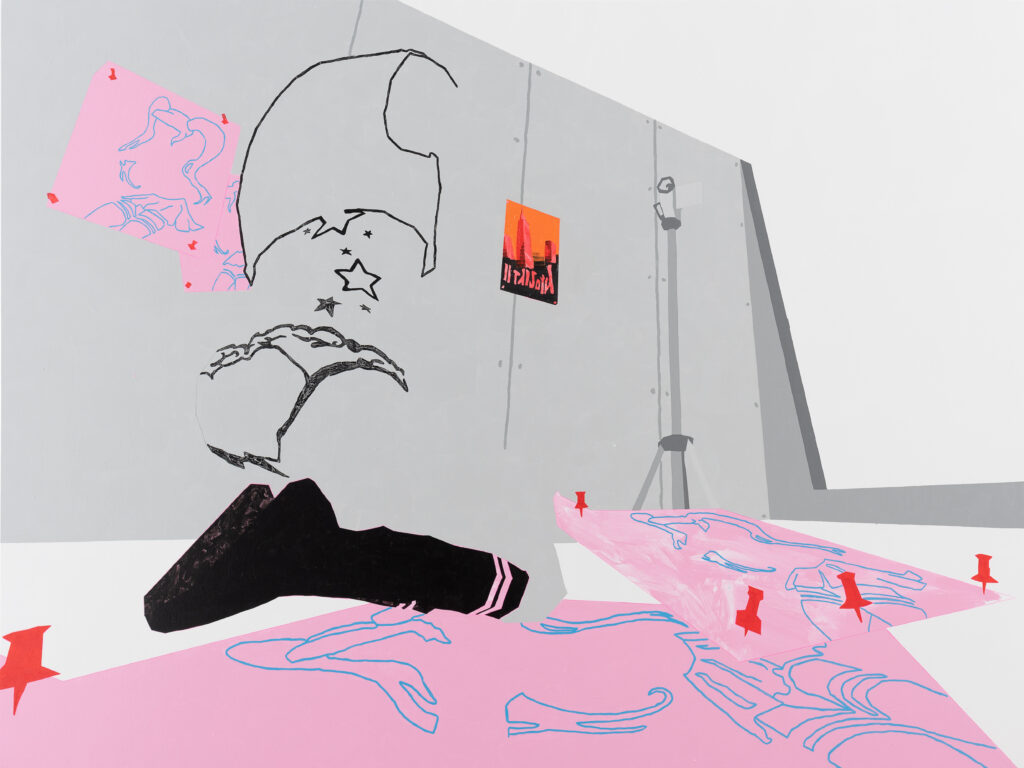
drama baby drama drama drama, 2023, enamel and oil on canvas, 150 x 200 cm, photo by Eleonora Cerri Pecorella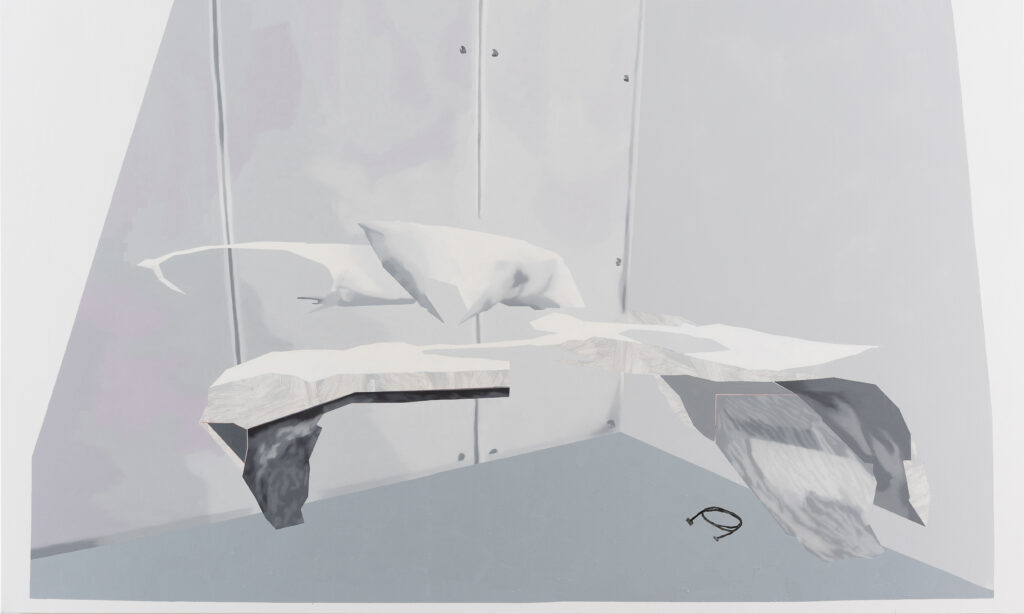
you’re so vague, 2023, enamel and oil on canvas, 150 x 250 cm, photo by Eleonora Cerri Pecorella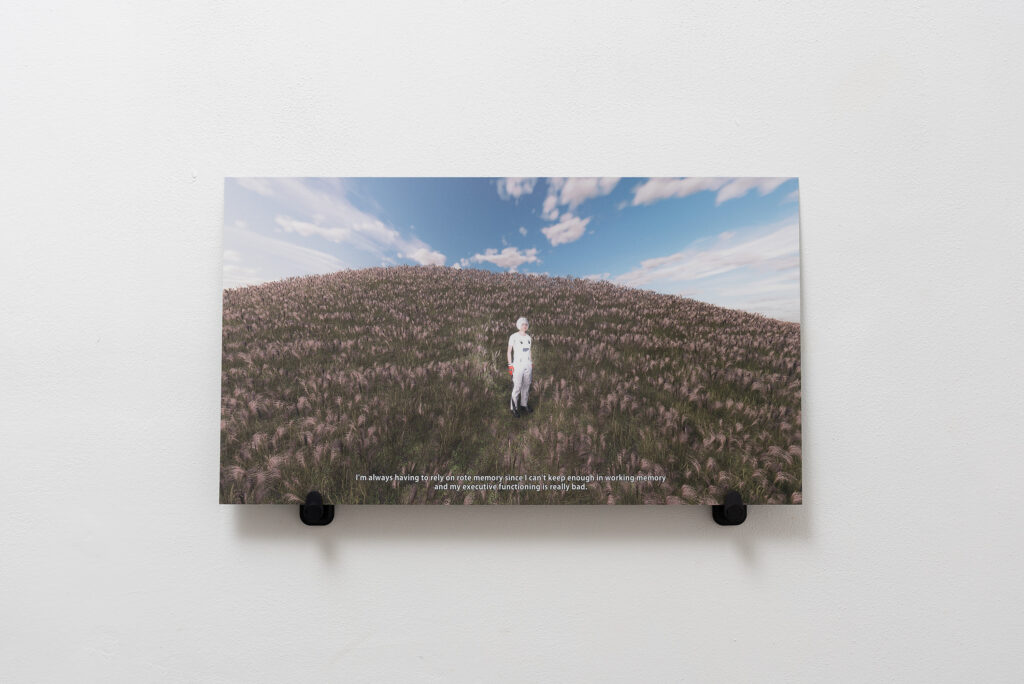
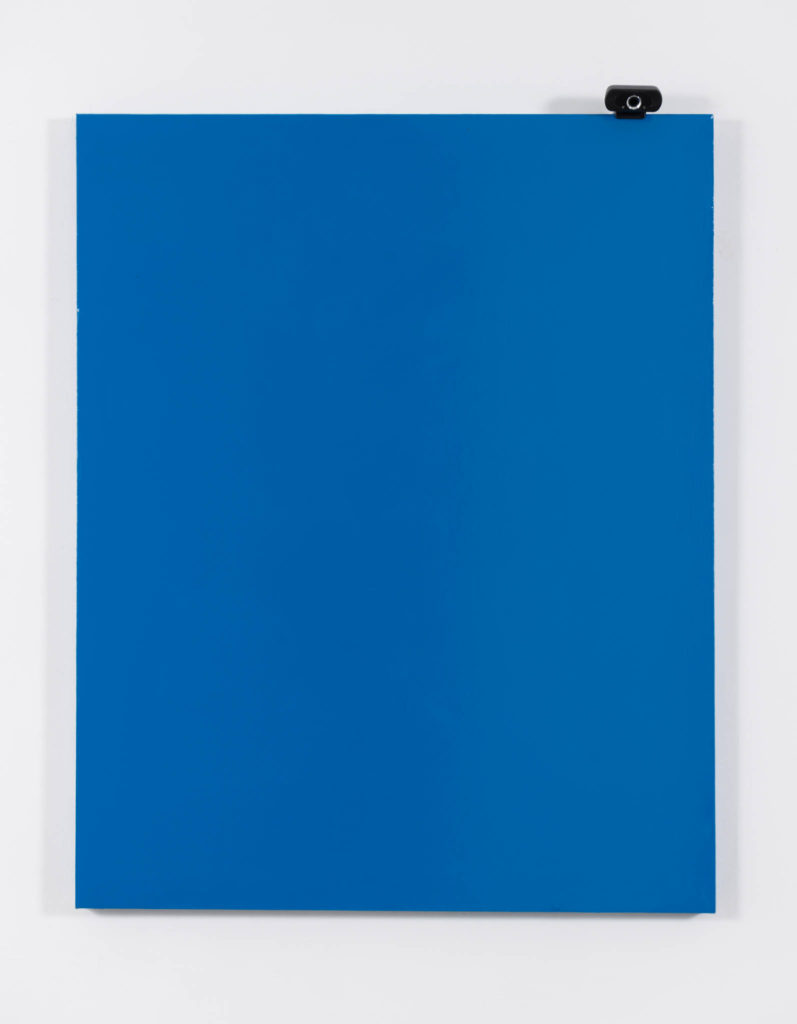
22_2023.09.12-17.38, 2023, digital print on aluminium, monitor support, 38 x 67 cm, photo by Eleonora Cerri Pecorella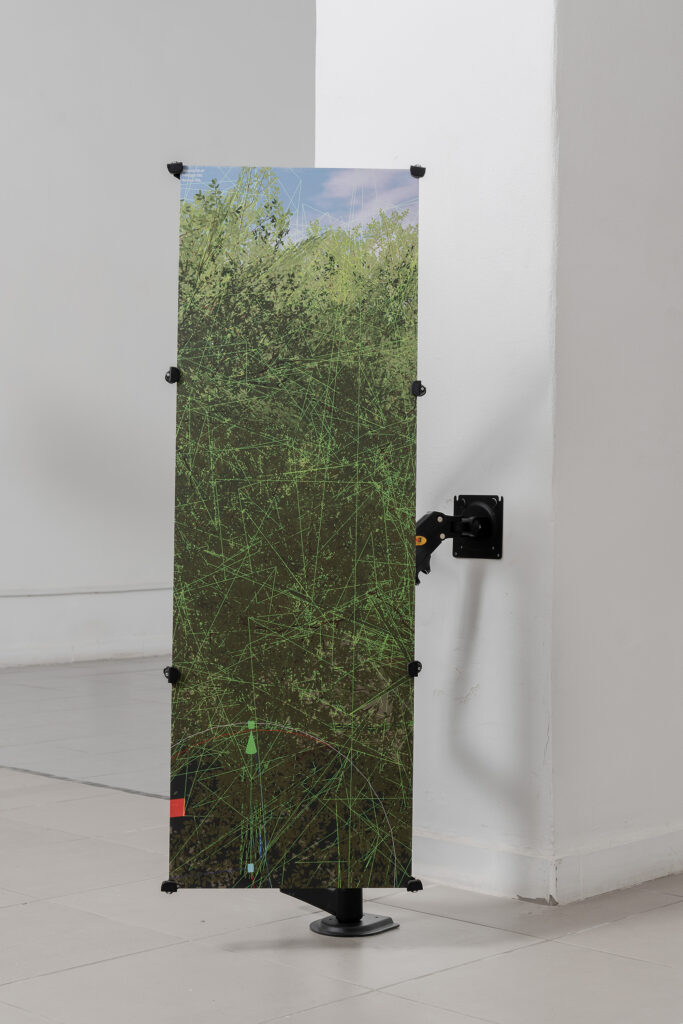
New Mod From Game…, 2023, digital print on aluminium, monitor support, 111 x 37 cm, photo by Eleonora Cerri Pecorella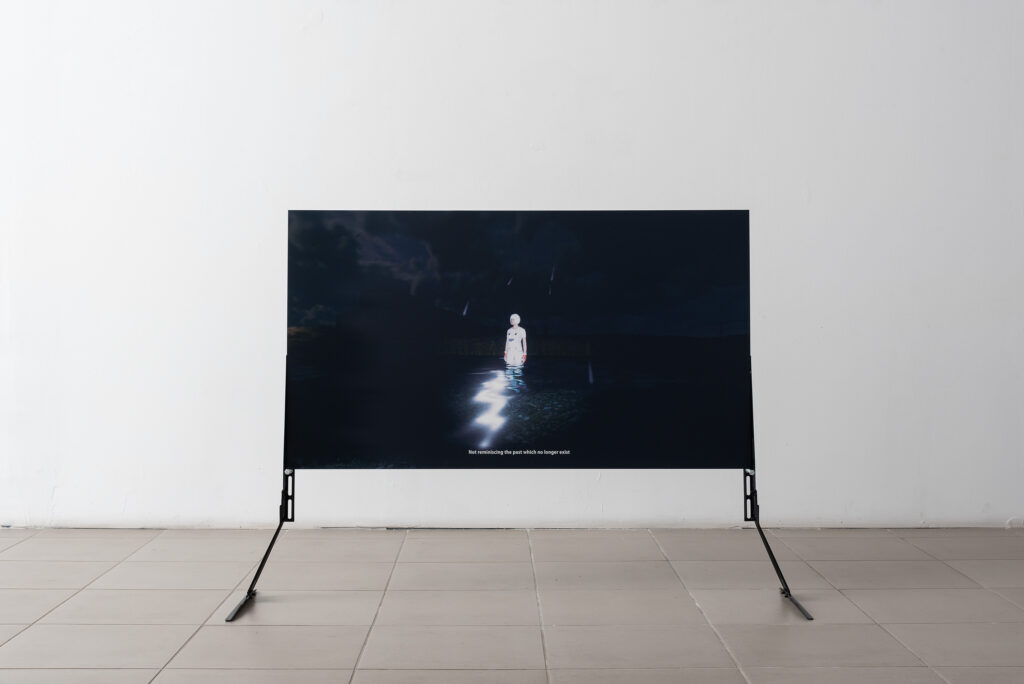
22_2023.09.04-14.07_1, 2023, digital print on aluminium, monitor support, 67 x 120 cm, photo by Eleonora Cerri Pecorella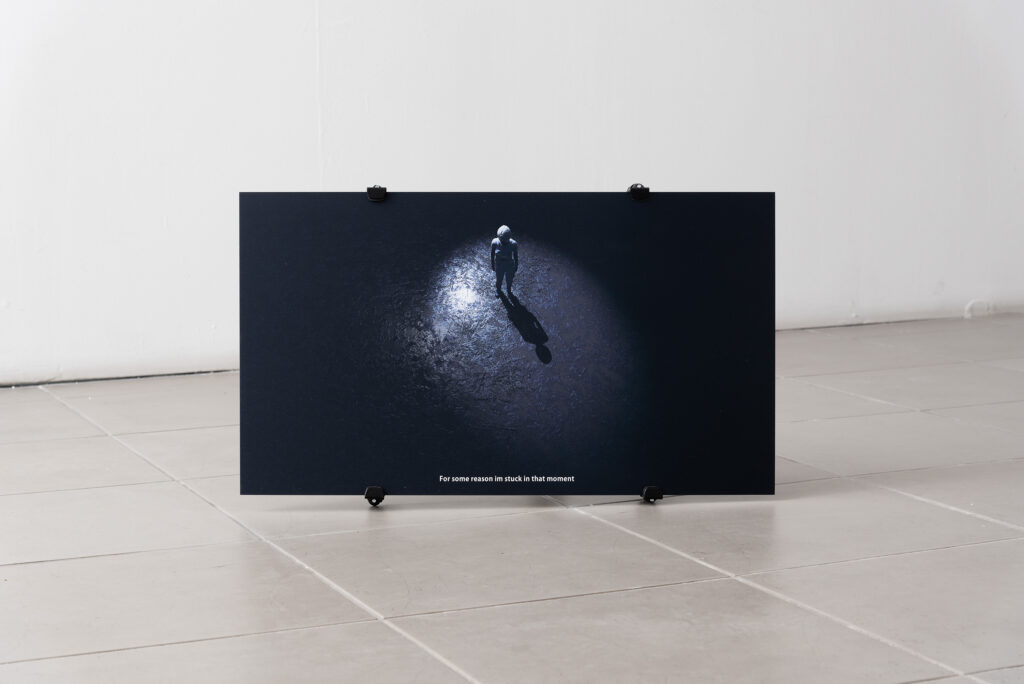
22_2023.09.10-18.45, 2023, digital print on aluminium, monitor support, 38 x 67 cm, photo by Eleonora Cerri Pecorella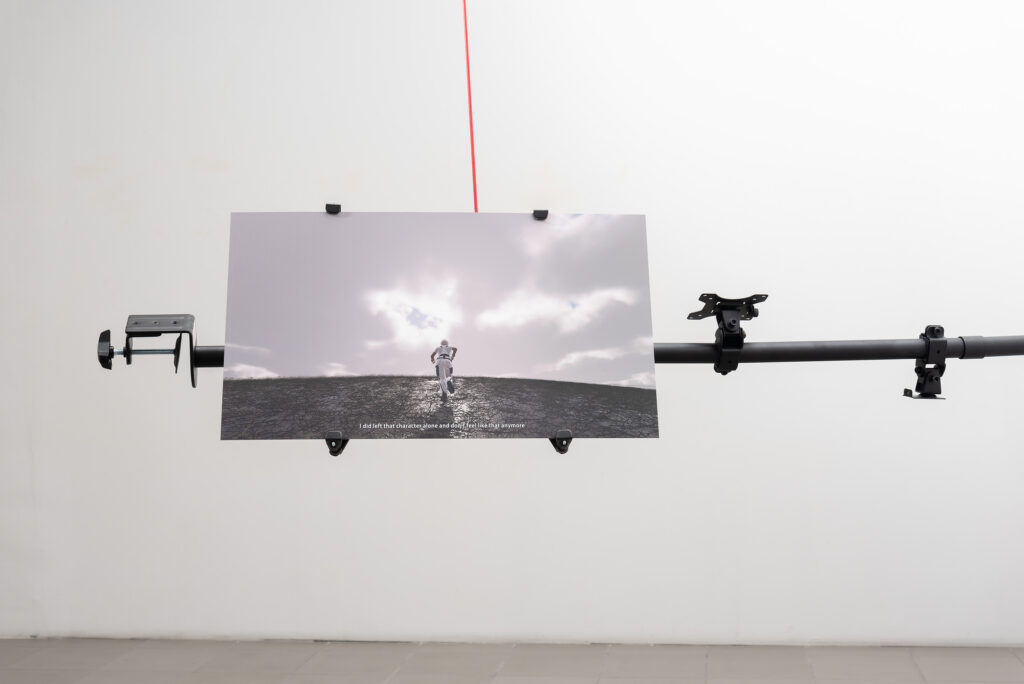
2023.09.07-00.57, 2023, digital print on aluminium, monitor support, 38 x 67 cm, photo by Eleonora Cerri Pecorella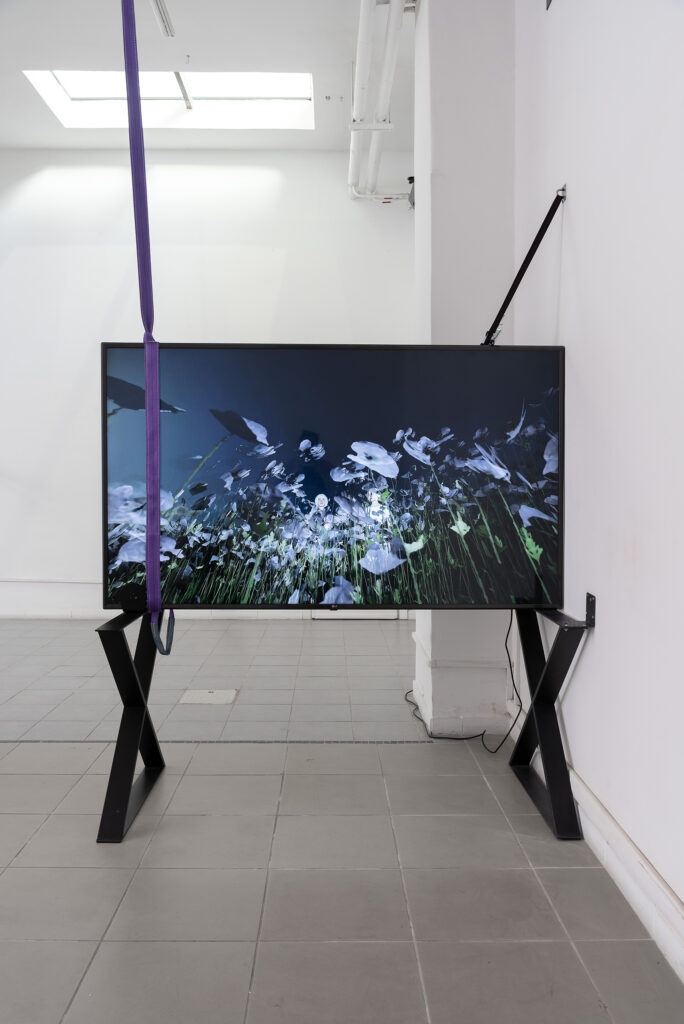
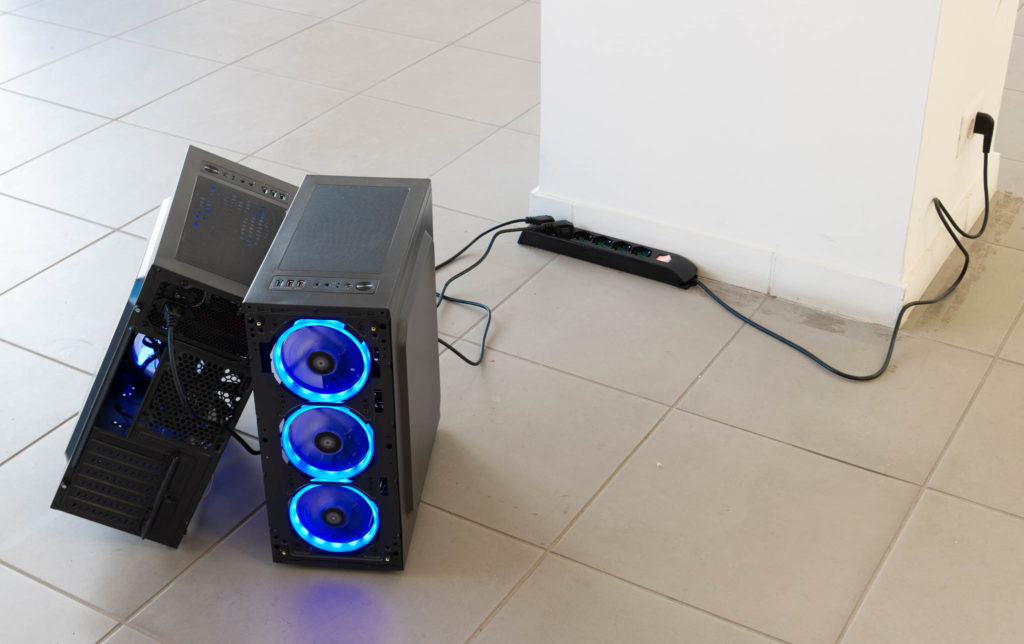
THE FIELD, 2023, digital/machinima video, audio, colours, 00:16:00, metallic supports, strings, Ed. 3 + 1 AP, photo by Eleonora Cerri Pecorella
The Gallery Apart is proud to announce you lost me, the second solo show by Federica Di Pietrantonio hosted in the Gallery spaces.
The artist carries on her research on the relationship between the human beings and the society by constantly crossing the border between the intimate dimension and the sociological investigation, and she does it in her own way, by juxtaposing video, digital photography, and painting. The title itself, you lost me, chosen by Di Pietrantonio, highlights the focus of the exhibition, the sense of loss that pervades part of the humanity when we wonder about our own identity, our role within the society, our relationships with the other members of our communities. In such scenario, the artist introduces a reversed perspective, and she wonders: who loses whom? Is the individual who loses contact with the society or is the latter that loses, that deprives itself of precious and necessary contributions?
These considerations have elicited an interest in the marginalized and isolated members of the community. Hikikomori, gold farmers, neet (not engaged in education, employment and training) represent lives fathomed by the artists through the testimonies collected online, anonymous and not. They are people affected by different disorders, generally by depression, who share a diverging relationship with the society and the tendency to develop behaviours aimed at defining their character.
The video presented by Di Pietrantonio is the second of a trilogy launched with Farming, which the artist started to develop during her recent residency at SODA – School of Digital Arts di Manchester in partnership with the Rome Quadriennale. The work focuses on the testimonies of the members of the above communities that were collected online and selected to compose a narrative script recited by the artist with her voice being re-elaborated by an AI system. The setting has been inspired by the videogame Farming Simulator 22. Di Pietrantonio modified the software using the modding technology to entirely change the map and the weather conditions. The texts and the images contribute to creating an anonymous character, even if it is a real human being, integrated within a narrative context where common thread is the loss/search of the sense of reality. The text has been selected by the artist so that the character could represent the investigated communities, including for example those of gold farmers, that is those people who spend their days on videogaming platforms to earn virtual currency in order to convert it in real money.
Thus, Di Pietrantonio adds a new element to her research on the surpassing of the distinction between real and virtual. In addition to the suggestions related to the concept of away from keyboard (AFK) that already characterized her previous production, by drawing on the real lives of the people who show themselves exclusively online, the artist gives her visual contribution to those technophilosophical studies that recognise the original particle in the bit, thus establishing the indistinguishability between real and virtual.
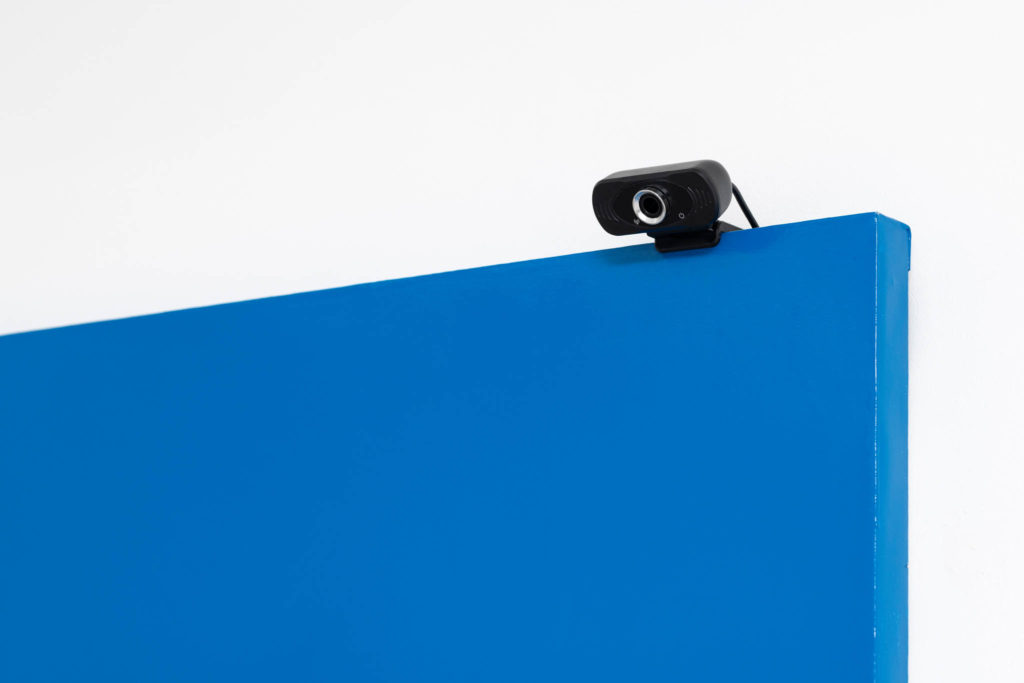
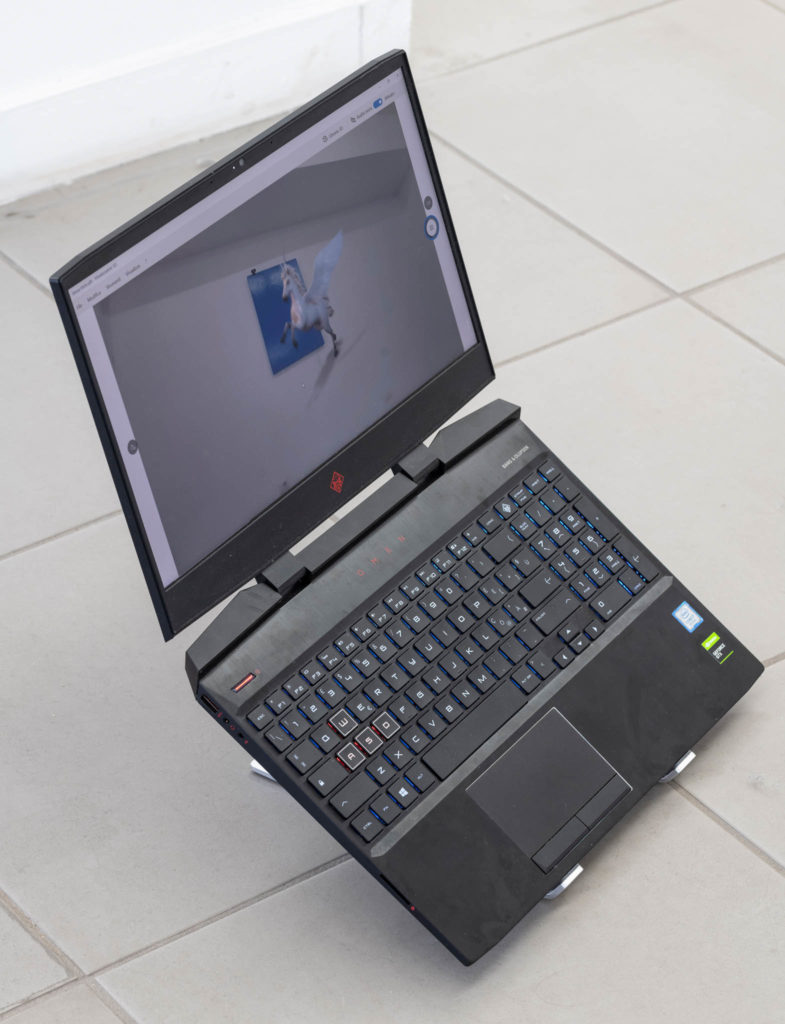
you lost me also features a series of digital photographs taken within the landscapes proposed by the videogaming platform and covered by the artist. Even in this case Di Pietrantonio contextualizes the landscape through the texts that draw on the online remarks of the farmers. The photographs are placed on technological supports thus transforming them into photo-sculptures; the tridimensionality of the object aims at emphasizing its physicality, a further element to negate the real/virtual dichotomy and to affirm the concrete nature of the photographic image.
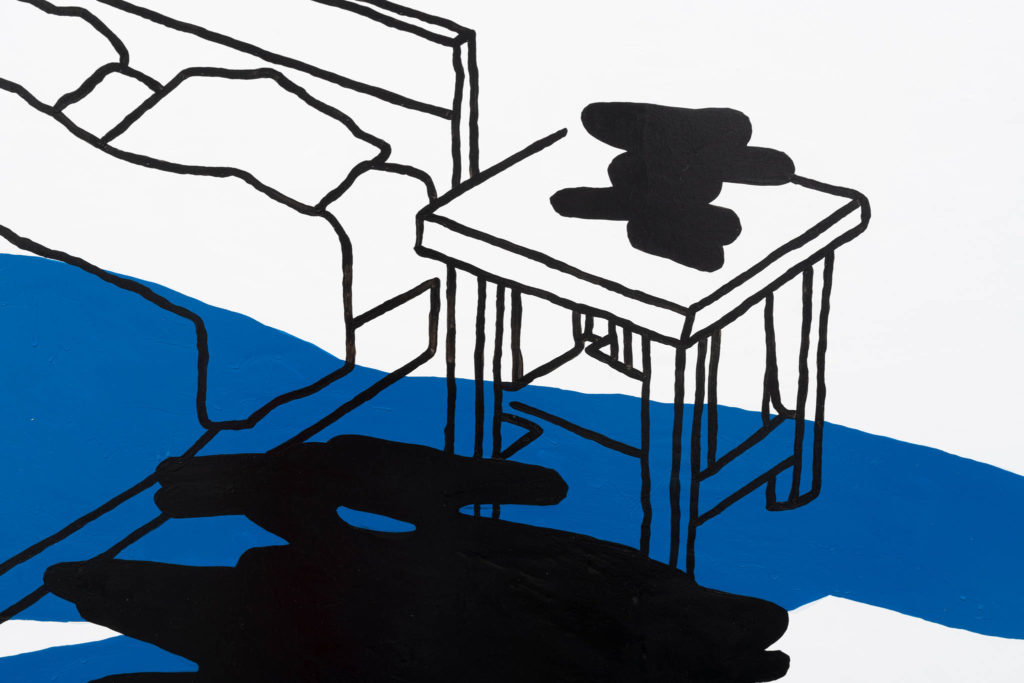
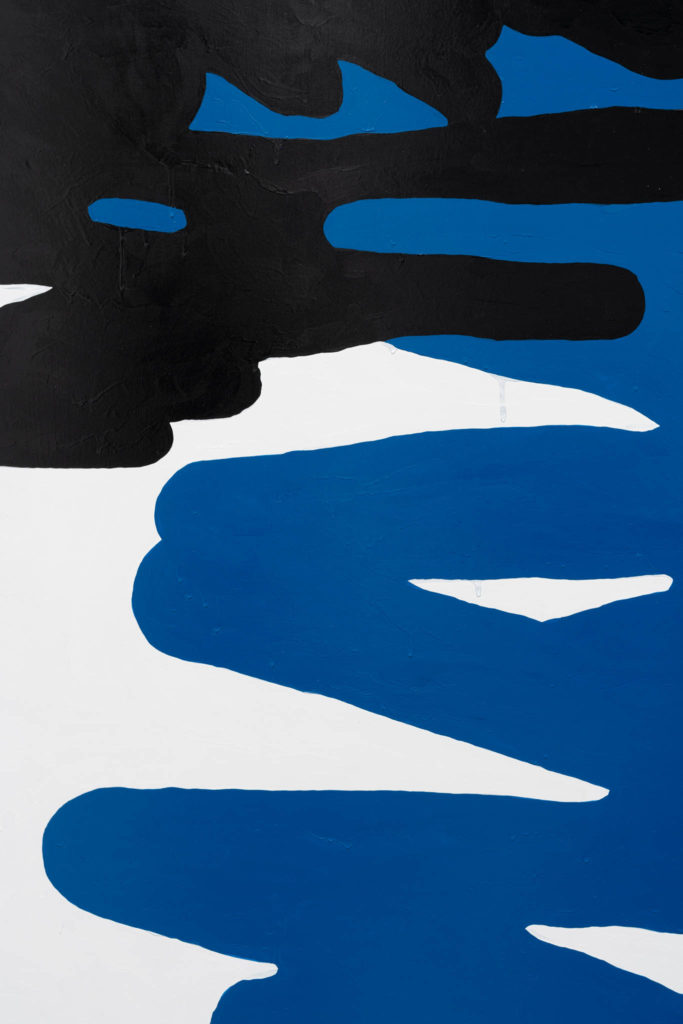
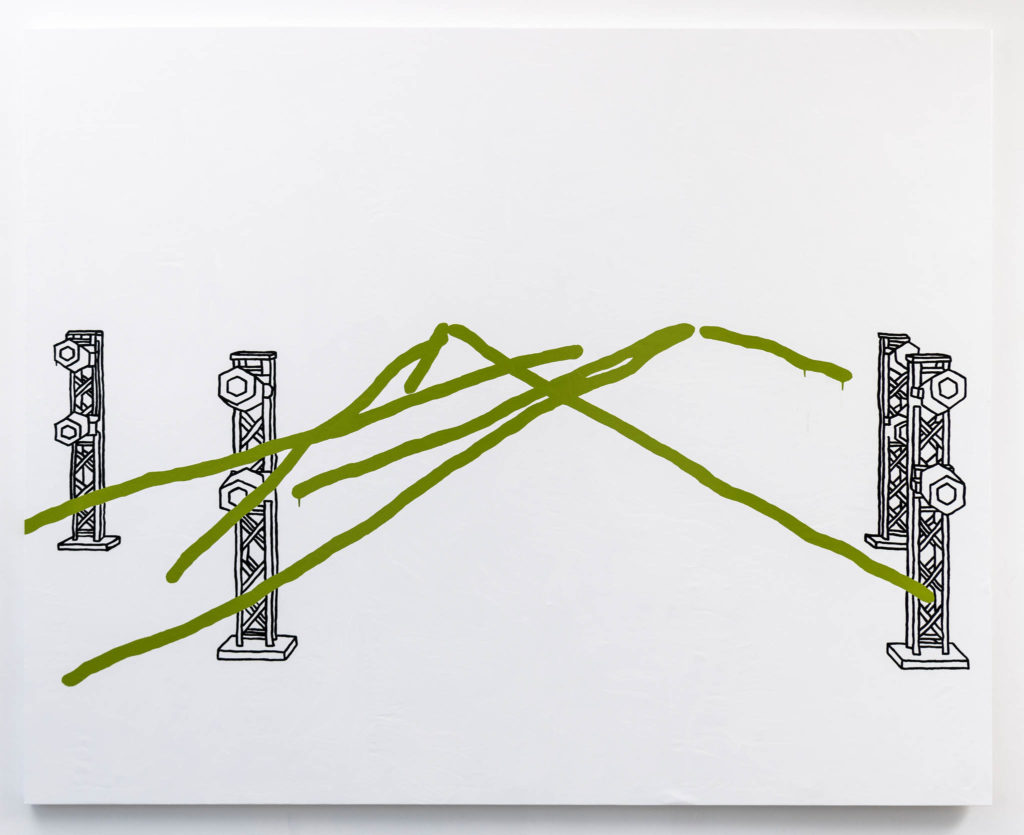
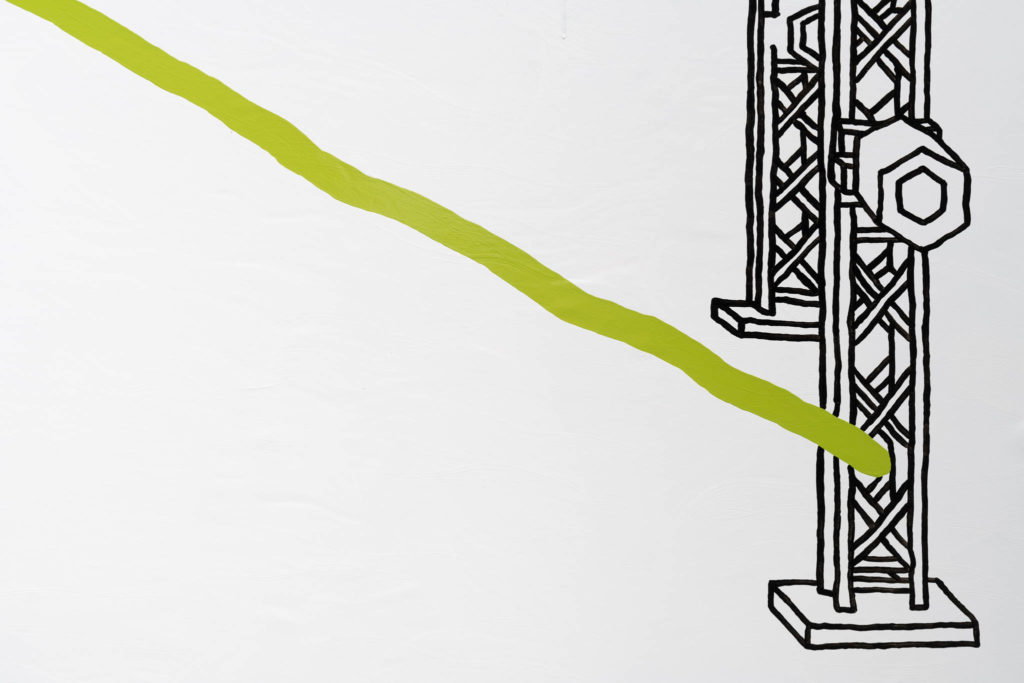
Finally, on the ground floor of the gallery, the artist displays her latest series of enamel and oil paintings. Here, the intimate dimension, typical of the painting production of Di Pietrantonio, is still evident but it is no longer entrusted to a character, Aster, already protagonist of her previous works and imagined purposely to integrate the personal visions with a more narrative dimension. Framings, presences and absences, segmentation of the image, repeated images, are all fundamental elements of a research on the concept of surface carried out by the artist. If there is no interruption between what exists in real life and our online experiences, how can this fluidity not reverberate on our concepts of surface, of figure, of composition, of backgrounds and of borders?
The Gallery Apart è orgogliosa di annunciare you lost me, la seconda personale di Federica Di Pietrantonio negli spazi della galleria.
L’artista prosegue la sua ricerca sul rapporto tra individuo e società in un continuo attraversamento del confine tra dimensione intima e indagine sociologica e lo fa alla sua maniera, affiancando video, fotografia digitale e pittura. Sin dal titolo you lost me, Di Pietrantonio indica il focus della mostra, il senso di perdita che pervade parte dell’umanità quando ci si interroga sulla propria identità, sul ruolo ricoperto all’interno della società, sui rapporti con gli altri membri delle comunità di appartenenza. In questo scenario l’artista introduce un’inversione di prospettiva e si domanda: chi perde chi? E’ l’individuo a perdere il contatto con la società o è quest’ultima a perdere, a privarsi di apporti preziosi e necessari?
Da queste considerazioni nasce l’interesse per comunità di persone che vivono ai margini se non completamente isolate dalla società. Hikikomori, gold farmers, neet (not engaged in education, employment and training) rappresentano esistenze scandagliate dall’artista grazie a testimonianze reperite online, anonime e no. Si tratta di persone colpite da affezioni di varia natura, generalmente a carattere depressivo, che hanno in comune un rapporto divergente con la società e la tendenza a sviluppare atteggiamenti volti a definire il proprio personaggio.
Il video che Di Pietrantonio presenta in mostra è il secondo di una trilogia avviata con Farming, che l’artista ha iniziato a realizzare durante la sua recente residenza a SODA – School of Digital Arts di Manchester in collaborazione con Quadriennale di Roma. L’opera si concentra su testimonianze di membri delle suddette comunità raccolte in rete e selezionate a formare uno script narrativo declamato dall’artista con la sua voce così come rielaborata da un sistema di AI. Per l’ambientazione Di Pietrantonio ha utilizzato il videogioco Farming Simulator 22 di cui ha modificato il software con tecnologia modding in modo da variare completamente la mappa e le condizioni meteorologiche. Testi e immagini contribuiscono a creare un personaggio anonimo, ancorché riferito a persona realmente esistente, inserito in un contesto narrativo il cui filo conduttore è la perdita/ricerca di senso della realtà. La selezione del testo è stata effettuata dall’artista in modo che il personaggio risulti rappresentativo della comunità di gold farmers, cioè di persone che trascorrono integralmente le loro giornate su piattaforme di videogioco per acquisire moneta virtuale da convertire successivamente in moneta corrente.
Di Pietrantonio inserisce dunque un nuovo passaggio nella sua ricerca sul superamento della distinzione tra reale e virtuale. Alle suggestioni legate al concetto di away from keyboard (AFK) che già caratterizzavano la sua precedente produzione, l’artista aggiunge, traendo spunto dalle vite reali di persone che manifestano se stesse esclusivamente online, il suo contributo visuale a quegli studi tecnofilosofici che individuano nel bit la particella originaria, così sancendo l’indistinguibiltà tra reale e virtuale.
you lost me presenta inoltre una serie di fotografie digitali scattate all’interno dei paesaggi proposti dalla piattaforma di videogioco e percorsi dall’artista. Anche in questo caso Di Pietrantonio contestualizza il paesaggio facendo ricorso a testi tratti da interventi di farmers reperiti online. Le fotografie sono posizionate su supporti tecnologici che le rendono delle fotosculture; la tridimensionalità dell’oggetto mira a sottolinearne la fisicità, un ulteriore elemento per negare la dicotomia reale/virtuale e per affermare il carattere concreto dell’immagine fotografata.
Al pian terreno della galleria l’artista propone infine la sua ultima serie di dipinti a smalto e olio su tela. Qui la dimensione intima, tipica della produzione pittorica di Di Pietrantonio, rimane evidente ma affidata non più ad avatar dell’artista, bensì a un personaggio, Aster, immaginato proprio per integrare visioni personali con una dimensione più narrativa. Inquadrature, presenze e assenze, suddivisione dell’immagine, figure ripetute sono tutti elementi costitutivi di una ricerca che l’artista conduce sul concetto di superficie. Se tra ciò che esiste in real life e ciò di cui abbiamo esperienza online non c’è soluzione di continuità, come può questa fluidità non riverberarsi sui nostri concetti di superficie, di figura, di composizione, di sfondi e di confini?